
10 Ways to Build a Connection with Your Child


Building strong connections with your child is essential in their growth and development.
The bond between parents and their children is a precious and vital one. Establishing a deep connection early on can greatly influence a child’s emotional well-being, self-esteemSelf-EsteemA child's sense of their own worth and ability. Praising effort, giving responsibilities, accepting feelings, and avoiding harsh comparisons with siblings or classmates help children grow confident, kind, and willing, and overall development. Of course, nurturing this relationship requires time, effort, and understanding from both sides. Here are different strategies and approaches to build a connection with your child.
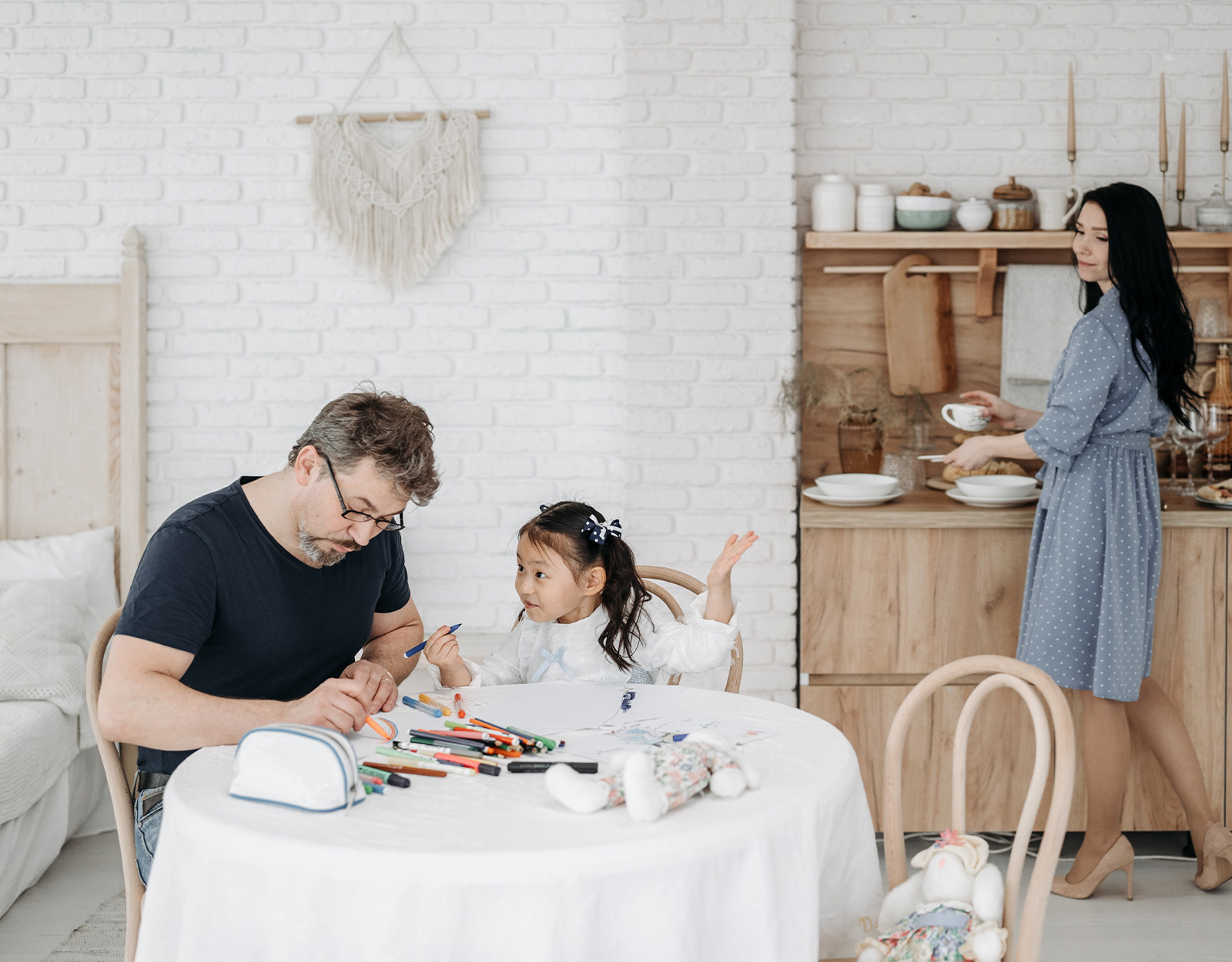
How to Build a Connection with Your Child
1. Listen actively
First up — listening attentively and empathetically is a fundamental aspect of building a connection with children. It involves giving them your undivided attention, maintaining eye contact, and displaying genuine interest in their thoughts and feelings. Moreover, by actively listening, parents validate their children’s emotions and experiences. This creates a safe space for open communication.
2. Spend quality time
Dedicate regular, uninterrupted quality timeQuality TimeFocused, distraction-free attention that shows a child they matter. Even twenty minutes of play, reading, or talking without phones, repeated daily, builds trust and does more for the relationship than with your children. Engage in activities they enjoy, such as playing games, reading together, or visiting the park. These shared experiences not only create memories but also foster a sense of togetherness and strengthen that special parent-child bond.
3. Have an open communication
Encourage open and honest communication within the family. In addition, create an environment where children feel comfortable expressing their thoughts, ideas, and concerns without fear of judgment. Engage in conversations that go beyond the surface level as well. And lastly, be willing to discuss challenging or sensitive topics in a respectful manner.
4. Show unconditional love and support
Make sure your children feel loved and supported regardless of their successes or failures. Express affection regularly, offer encouragement, and celebrate their achievements. When children know they have a strong support system, they are more likely to share their experiences and seek guidance when needed.
5. Respect boundaries
This is so crucial for building trust and connection. Recognize that children have their own personal space and individuality. Allow them to make age-appropriate choices, respect their opinions, and avoid being overly controlling. By demonstrating respect, parents lay the foundation for a healthy and balanced relationship, too.

6. Engage in playfulness
Incorporate playfulness and humor into your interactions with your children! Play is not only enjoyable but promotes bondingBondingThe emotional connection that forms between parent and child through touch, eye contact, voice, and responsive care. Skin-to-skin time, feeding, and simply talking to a baby all strengthen it, and and enhances creativity as well. Engage in imaginative play, board games, or even silly jokes. This lightheartedness fosters joy, deepens the connection, and creates cherished core memories.
7. Have shared responsibilities
Encourage your children to participate in age-appropriate household responsibilities. Involve them in tasks such as cooking, sorting the laundry, cleaning, or gardening. This shared responsibility cultivates a sense of teamwork and teaches important life skills. It also provides opportunities for bondingBondingThe emotional connection that forms between parent and child through touch, eye contact, voice, and responsive care. Skin-to-skin time, feeding, and simply talking to a baby all strengthen it, and and cooperation.
8. Support individual interests
Take an active interest in your child’s passions and hobbies. Attend their performances, games, or recitals. Show genuine curiosity and ask questions to demonstrate your support and involvement in their activities. By engaging with their interests, parents convey a strong message of encouragement and understanding.
9. Practice empathy
Empathy plays an essential role in understanding and connecting with children. Put yourself in their shoes, acknowledge their emotions, and validate their experiences. Empathy helps create an atmosphere of trust, respect, and understanding. Thus, this allows parents to provide the necessary emotional support their children need.
10. Lead by example
Last but not least — children learn by observing their parents’ behaviors. Model positive traits such as kindness, respect, and resilienceResilienceThe ability to bounce back from setbacks, disappointment, and stress. Children build it through supportive relationships, chances to solve problems, and adults who show that mistakes are part of learning. Moreover, display effective communication, problem-solving skills, and emotional intelligenceEmotional IntelligenceThe ability to recognize, understand, and manage feelings in oneself and others. Parents build it by naming emotions, modeling calm responses, and helping children find words for anger, sadness, and. When parents lead by example, they become role models and mentors, forging a powerful connection with their children.

Building a Connection with Your Child Helps Them Thrive in Life
There are many different ways to build a connection with your child. But the best way is to get to know them to help you discover what truly works. At the end of the day, the vital bond formed between parents and their children serves as the foundation for emotional well-being, personal growth, and a lifelong sense of love and support.
Here are more stories to help you build a connection with your child:
10 Things Parents Need to Know About Positive Discipline
Filipino Tradition and Gentle Parenting According to a Child Development Coach
Gentle Parenting: 3 Moms Share Why They Prefer This Parenting Style