What If Your Child’s First Best Friend Had Four Legs?



After Philippine-based Communitails received a global grant from the Royal Canin Foundation to expand trauma-informed animal-assisted services, parents have another reason to see pets as more than just lovable companions—they can also help children grow emotionally.
Many parents wonder how pets help kids grow. Most of the time, we think more about the finances, the schedules, and how to seamlessly add them to the growing list of individuals we need to care for. What we sometimes forget, however, is that pets, despite not speaking any human language, do understand a spectrum of emotions. It’s why Pet Therapy has slowly gained traction. Our furbabies and furry friends have become companions in navigating emotions that may not have a verbal equivalent.
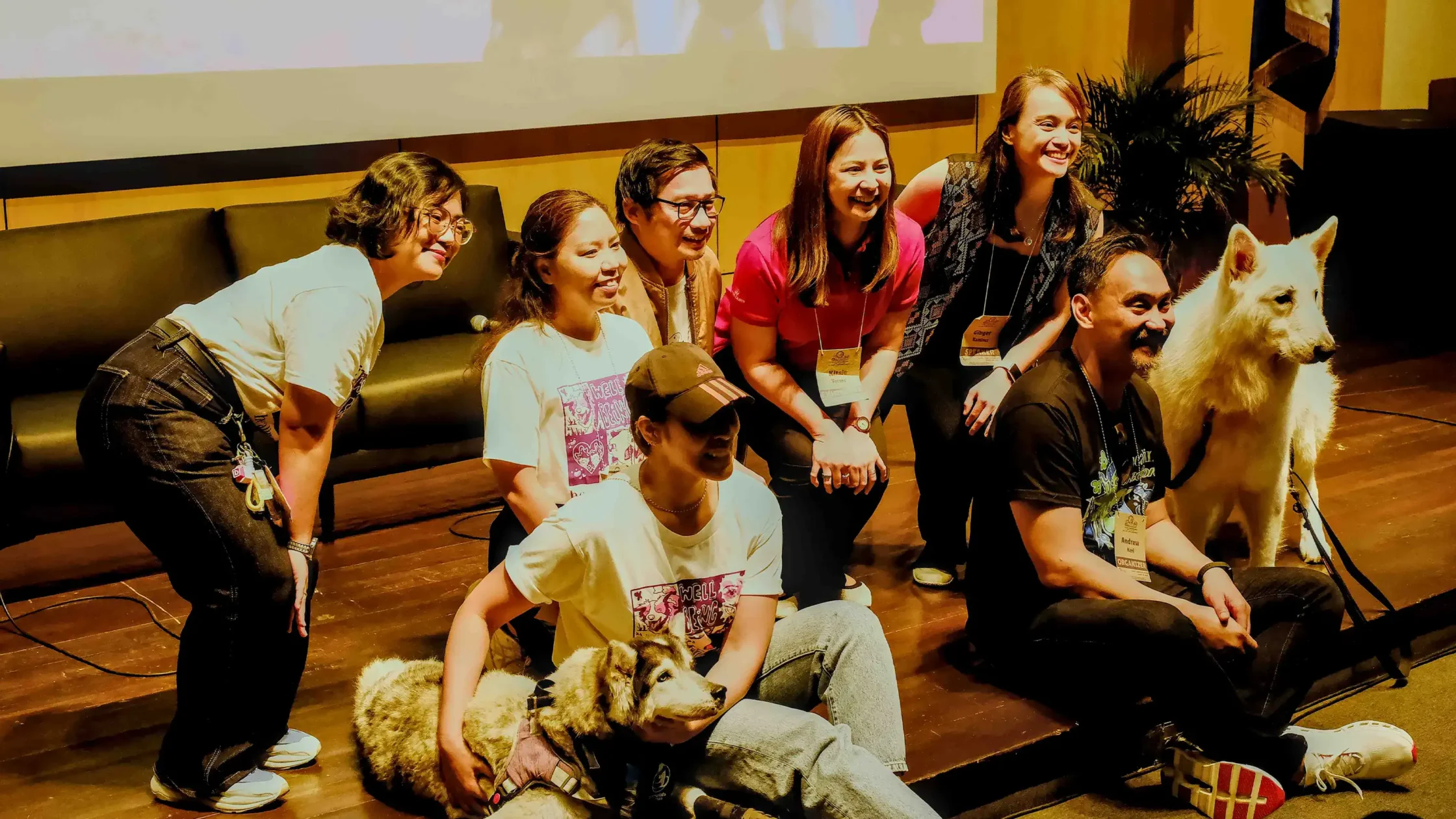
It’s quite timely since the Philippine-based Communitails, through the Philippine Human-Animal Bond Institute (PHABI), became the first organization in both the Philippines and Southeast Asia to receive a grant from the Royal Canin Foundation. The funding will expand Brave Tails, an animal-assisted program that supports trauma survivors and care providers through structured interactions with trained therapy animals.
How Pets Have Become More Than Just Household Members
Not long ago, dogs mostly guarded the gate, while cats kept rodents away.
Today, many children call them siblings. And for many millennial parents who have no human kids, they are their children.
There’s growing research on the human-animal bond showing that interactions with animals can support emotional regulation, reduce stress, encourage empathy, and help children develop a stronger sense of responsibility. From changing the water bowl to playing with them, children develop social skills faster in the presence of the little furry ones (Kerns et al., 2023; Li et al., 2023; Ribera et al., 2023; Wilson, Ballantyne, & Hawkins, 2025). They develop non-verbal empathy—a skill that’s high in-demand especially in a culture that’s not fond of confrontation (Bosacki, Tardif-Williams, & Roma, 2022).
Communitails’ Brave Tails program embraces this philosophy. As PHABI President Rohani Navarro shares, the initiative is “designed around the principle of mutual healing.”
“By cultivating a practice of caring for animals, self, and others, the initiative creates emotionally safe, brave, and restorative spaces that promote trust, belonging, and meaning,” she adds.
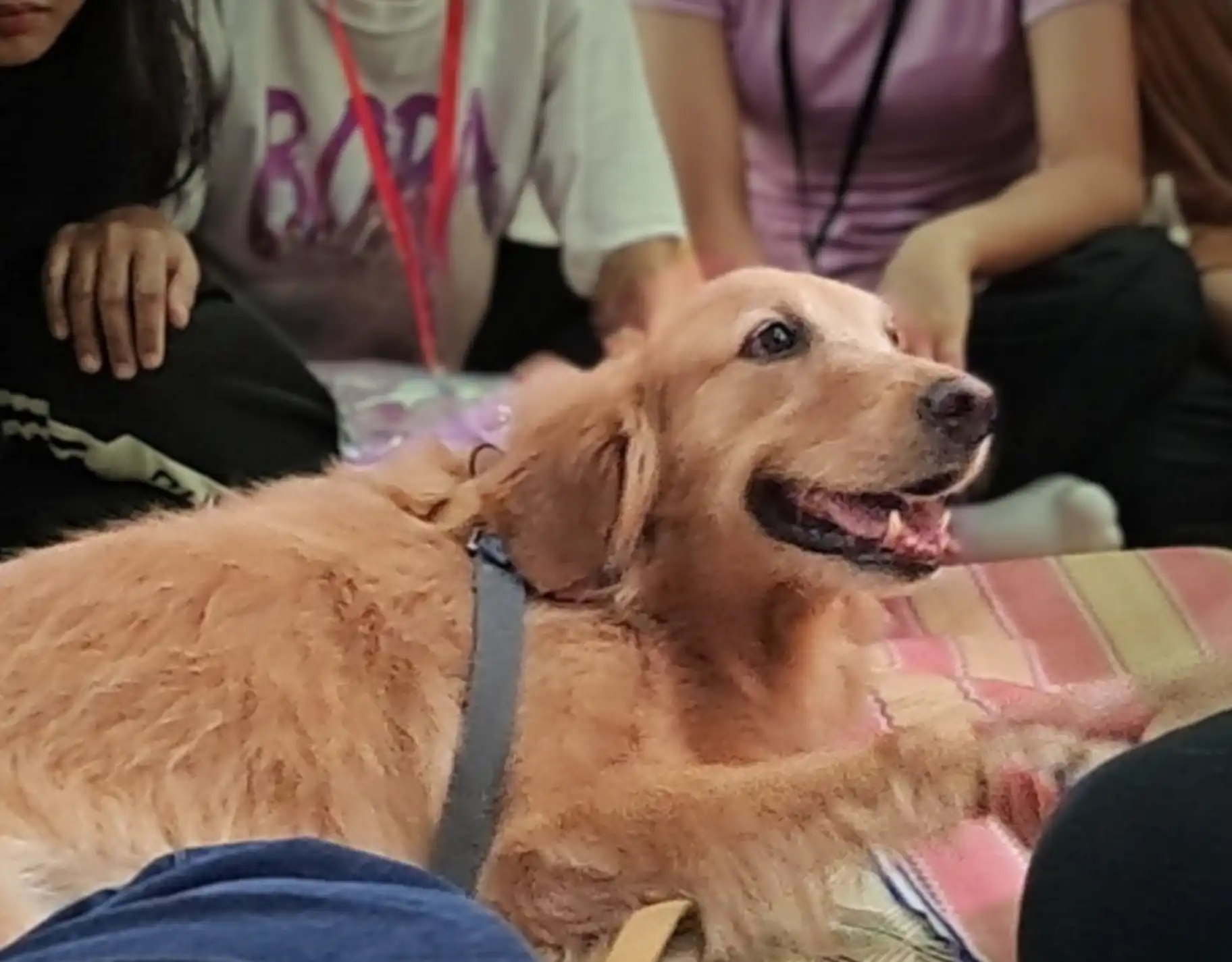
For children, caring for a pet often becomes their first daily lesson in consistency, patience, and unconditional loveUnconditional LoveLoving a child fully regardless of grades, behavior, or achievements. Showing it through hugs, praise, and a willingness to forgive helps children feel secure and gives them the courage to. Feeding a hungry dog, noticing when a cat isn’t feeling well, or simply sitting quietly beside an anxious pet teaches empathy in ways that lectures rarely can.
A Model for Unspoken Healing
Especially with the growing concern for mental healthMental HealthA person's emotional, psychological, and social well-being, which affects how children and parents think, feel, and cope. Open conversations, regular routines, and timely help from professionals make it easier for, most people think that the best way to solve those kinds of issues lies in just “talking about it.” It’s a very cognitive approach; one that’s been proven over the years and is still used in other parts of the world.
But its wide success doesn’t mean it’s the solution to every trauma. Some traumas need to be resolved without words. A bit of time, companionship, and a compassion that asks for nothing in return—some people just heal better that way and again, it’s also not wrong.
Too many studies abroad have already proven how pets can change people from the inside. It’s why netizens and pet owners have a glossary of terms for certain events. When a cat chooses an owner, they say, “The Cat Distribution System strikes again!” Or when referring to dogs who are just too adorable for their own good, netizens call them “doggos.”
So it’s no surprise that many pets today are no longer just… animals at home. They’re babies—non-verbal babies with extra hair.
Of course, there’s no replacing children. But cats, dogs, rabbits, and all pets are considered family. No matter what anyone says.
If your family is thinking about welcoming a pet, don’t think only about companionship. Think about conversation. Think about responsibility. Think about the little moments that build up in teaching a child how to care for another living being. You’d be surprised how much of that also shapes the kind of person they become.
References
Bosacki, S., Tardif-Williams, C. Y., & Roma, R. P. (2022). Children’s and adolescents’ pet attachment, empathy, and compassionate responding to self and others. Adolescents, 2(4), 493-507.
Kerns, K. A., Dulmen, M. H., Kochendorfer, L. B., Gastelle, M., Obeldobel, C. A., & Horowitz, A. (2023). Are children’s relationships with pet dogs uniquely related to children’s social and emotional competence and adjustment?. Human-Animal Interactions, (2023).
Li, P., Yao, J., Xu, Y., & Zhou, F. (2023). Impact of pet companionship on student development: A meta-analysis. Best Evidence in Chinese Education, 14(1), 1727-1743.
Ribera, L. B., Longobardi, C., Prino, L. E., & Fabris, M. A. (2023). Secure attachment to mother and children’s psychological adjustment: The mediating role of pet attachment. Anthrozoös, 36(2), 279-293.
Wilson, C., Ballantyne, C., & Hawkins, R. D. (2025). ‘He’s Practising His Learned Social Skills on the Cat’: A Mixed-Methods Investigation of Parental Perspectives of the Role of Pets in Autistic Children’s Social Skills and Wellbeing. Behavioral Sciences, 15(4), 419.
Frequently Asked Questions
Pet therapy, also called animal-assisted therapy or animal-assisted services, involves structured interactions between trained animals and people to support emotional, psychological, or physical well-being.
Yes. Many studies suggest that caring for pets can encourage empathy, responsibility, emotional regulation, and healthy social skills in children.
Brave Tails is a Philippine-based trauma-informed animal-assisted services program that supports trauma survivors and care providers through trained therapy animals.
No. While formal pet therapy serves specific therapeutic needs, everyday interactions with family pets can still provide meaningful emotional and developmental benefits.
Consider your child’s age, maturity, your family’s lifestyle, and your ability to provide lifelong care. A pet is a long-term commitment that works best when the whole family shares responsibility.
More about pets?
Spain Now Recognizes Pets as Family Members
5 of the Best and Easy Pets for Kids | Modern Parenting
Should We Get Our Furbaby A Companion?