Pals for a Lifetime: Tips for Raising and Caring for Senior Pets



Here are some tips for raising and caring for senior pets
It’s easy to fall in love with a kitten or a puppy. But they don’t stay that way forever; they’ll eventually grow old within their 15- to 20-year lifespan in your home. And that’s the challenge that many of us are afraid to face: senior pets can be quite challenging to care for if they already had a bad diet to begin with or a chronic disease. Yet, their hardships don’t stop them from seeing us as the person they love. We, as their furparents who fell in love with them at their cutest stage, deserve to fill their remaining moments with the happiness they gave us at first sight.
Here are some tips for fur parents whose pets are now reaching the senior stage of their lives:
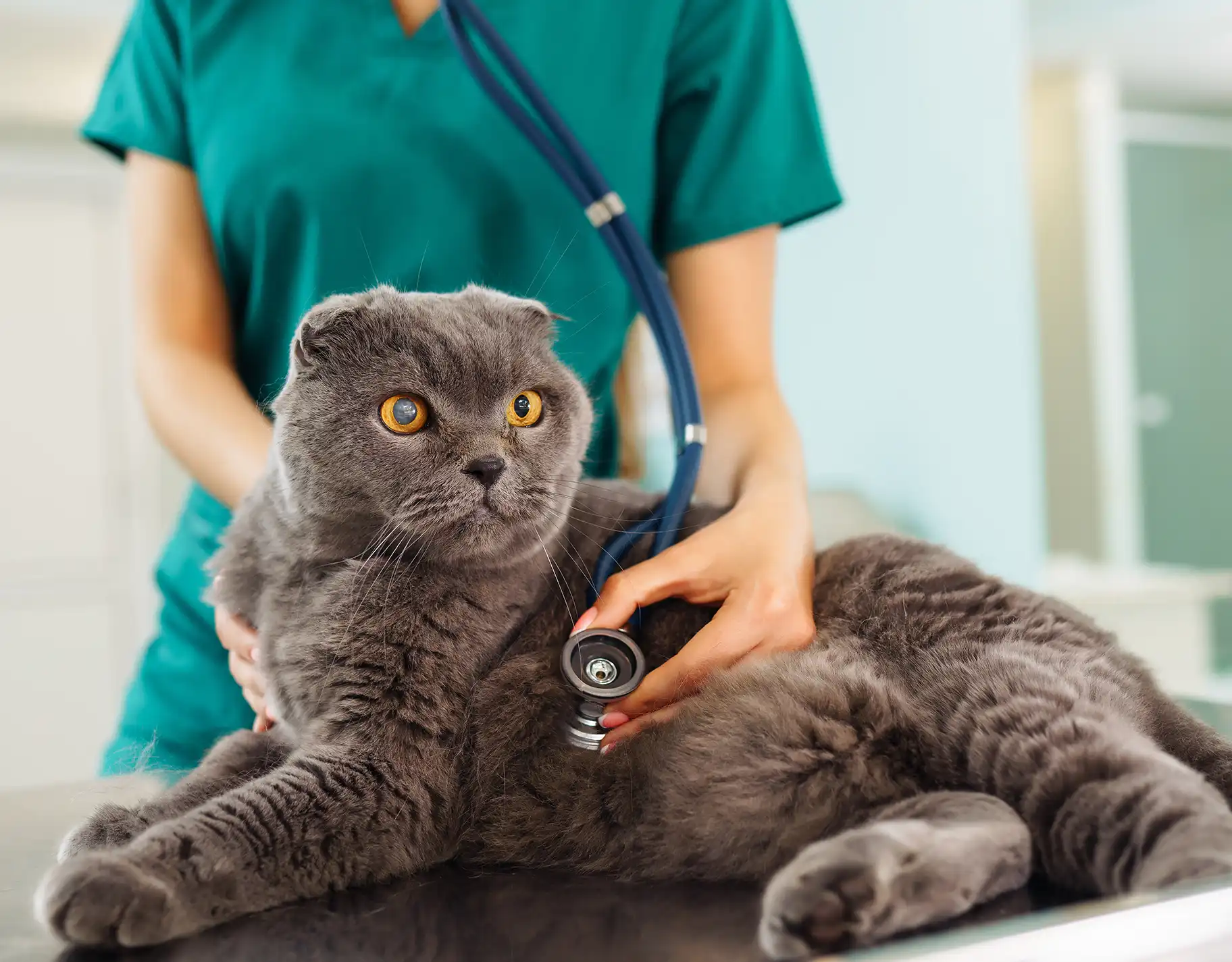
Stick to one veterinarian
Senior pets thrive on routine, and it’s also logistically easier for us to manage. We don’t have to keep mentioning the same records over and over again because we meet different veterinarians. Plus, senior pets don’t like constantly doing “vibe checks” or figuring out if the vet we’re bringing them to is going to be gentle with them or not. On the veterinarian’s side, they’ll also have an easier time diagnosing them because they’re already familiar with their history.
What you can do is call up the clinic and ask for the schedule of your senior pet’s usual veterinarian. After that, match up the schedules so it’s a lot easier to just bring them over. The Cat Clinic has been more than happy to reveal the schedules of my cat’s preferred vet simply because she’s not very fond of change.
Don’t change their diet too much
Besides routine, senior pets also have different dietary needs. Some need food that’s more urinary-health focused; others need something that’s more dental. So, giving them table scraps may not be as viable anymore as it was when they were adults or in their puppy or kitten stage. Plus, suddenly changing their food all of a sudden can have messy and stinky consequences.
Royal Canin usually has more targeted foods and even has diets that require a veterinarian’s recommendations. You can tell by the words “S/O” on the bag.
Have a check-up at least once a year
Senior pets, especially cats, don’t usually show problems until much, much later. So, try to arrest the problem as early as you can by bringing them in for a check-up at least once a year. Sometimes, these issues show in the form of a skin rash, more frequent hairballing (for cats), lower energy, or a sudden loss of appetite. By getting it early, we spend less money on the issues, and it’s less traumatic when we’re trying to medicate our furbaby at home.
Don’t be surprised when they become clingy
As they age, senior pets will cling to us as the most familiar thing in their world. They will throw tantrums or make tampo when we go out of the house. Their new duty will involve guarding us at the bathroom door and wailing if we stay in for too long. But that’s because they don’t have object permanence: they understand that doors are just covering us and we’re still in the same house.
When having visitors over, be a little extra with cleanliness
We’re probably familiar with this because of COVID-19, but all the more with senior pets. If we have friends who have other pets and/or commute, always ask them to be a little extra clean because we don’t know if they’re carrying something that may affect our furbabies. Parvo, most especially, is contagious for dogs, which can cling to dirty bowls and shoes.
Don’t be afraid to ask; most millennials and furparents will understand the need to be extra clean for senior pets.
A Love That Lasts A Lifetime
Perhaps the hardest part of caring for senior pets is the inevitable moment when we have to let them go. They’ve been with us all our lives, giving us unconditional love.
But that’s why we’re morally obligated to do the same in their remaining lifespan. To our senior pets, we are their gods and giants who have centuries of life. Just like how they’ve given their everything to us, we should do the same for them.
Frequently Asked Questions
Most dogs and cats are considered senior pets around 7 to 10 years old, depending on their breed and size. Larger dog breeds often age faster, while many cats enter their senior years at around 10 years old.
Senior pets should have a wellness check-up at least once a year, although veterinarians may recommend more frequent visits if they have chronic conditions or age-related health concerns.
Yes. Senior pets often benefit from age-specific diets that support joint health, kidney function, urinary health, or dental care. Always consult your veterinarian before making significant dietary changes.
As pets grow older, they often seek comfort from familiar people and routines. Increased clinginess can be a normal part of aging, though sudden behavioral changes should still be discussed with your veterinarian.
Maintain a consistent routine, schedule regular veterinary check-ups, feed an age-appropriate diet, keep their environment clean, and give them plenty of patience, comfort, and affection as they age.
More about pets?
Spain Now Recognizes Pets as Family Members
Why Pet Wellness Is a Rising Trend in The Philippines
Common Mistakes New Pet Parents Make