World Cancer Day: United by Unique, Stronger as Families



Cancer is a diagnosis that changes a life—but it also reshapes an entire family
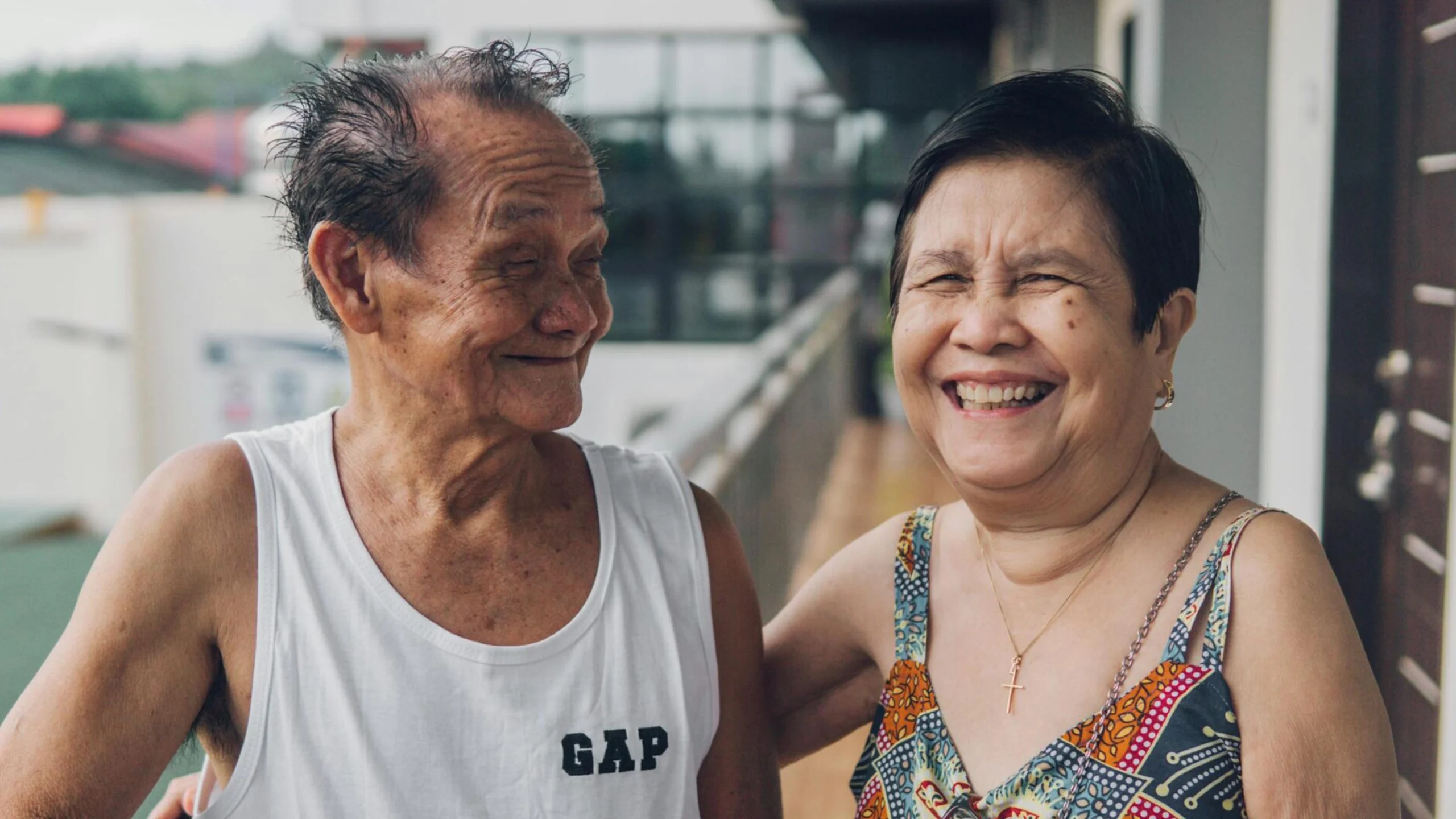
The moment someone hears the word cancer, everything shifts. Priorities change. Routines are disrupted. Fears, questions, and hopes suddenly fill the air. And while the diagnosis belongs to one person, the journey is never taken alone. Cancer becomes a family story—one that parents, partners, children, and loved ones all carry in their own way.
Every year on February 4, the world marks World Cancer Day, and from 2025 to 2027, the global theme is “United by Unique.” It brings together patients, survivors, healthcare professionals, and organizations to raise awareness and remind us that behind every diagnosis is a deeply personal human experience.
United by Unique, Together as Families
According to the World Cancer Day website, the campaign places people—not illnesses—at the center of care, with real stories at the heart of the conversation.
“Cancer is more than just a medical diagnosis—it’s a deeply personal matter,” the campaign states.
No two cancer journeys look the same. Each one is shaped by grief and fear, yes, but also by resilience, love, healing, and hope. For families, this can mean late-night conversations, learning how to explain illness to children, redefining strength, and showing up for one another in ways they never imagined before.
This is why the campaign emphasizes compassion and personalized care—recognizing the unique needs of every person diagnosed with cancer and the family standing beside them. As the statement powerfully adds: “Every experience with cancer is unique, and it will take all of us, united, to create a world where we look beyond the disease and see the person before the patient.”
Why People-Centered Care Matters
At the heart of this movement is people-centered care—an approach that sees the whole person, not just the illness.
“People-centred cancer care represents an opportunity to refocus, rewire, and rewrite how we think about cancer,” the campaign explains, “to embrace people’s differences and make sure that everyone is seen for who they really are and has access to the care they need.”
For families, this means being included in conversations and care plans. It means support systems that recognize the emotional toll on parents, spouses, and even young children. Healing doesn’t happen in isolation—it happens through connection, collaboration, and community.
The World Health Organization has echoed this, noting that integrated, people-centered care systems can lead to significant benefits not only for patients, but for overall family and community health.
Awareness Starts at Home
World Cancer Day is more than a date on the calendar—it’s a reminder to stay informed, proactive, and attentive to our health. Regular check-ups and early testing matter, especially when cancer has already touched a family.
Medical advances continue to give us better tools to fight cancer. But technology alone isn’t enough. What truly strengthens the journey is love—the kind that shows up at appointments, holds space on hard days, and reminds patients they are never alone.
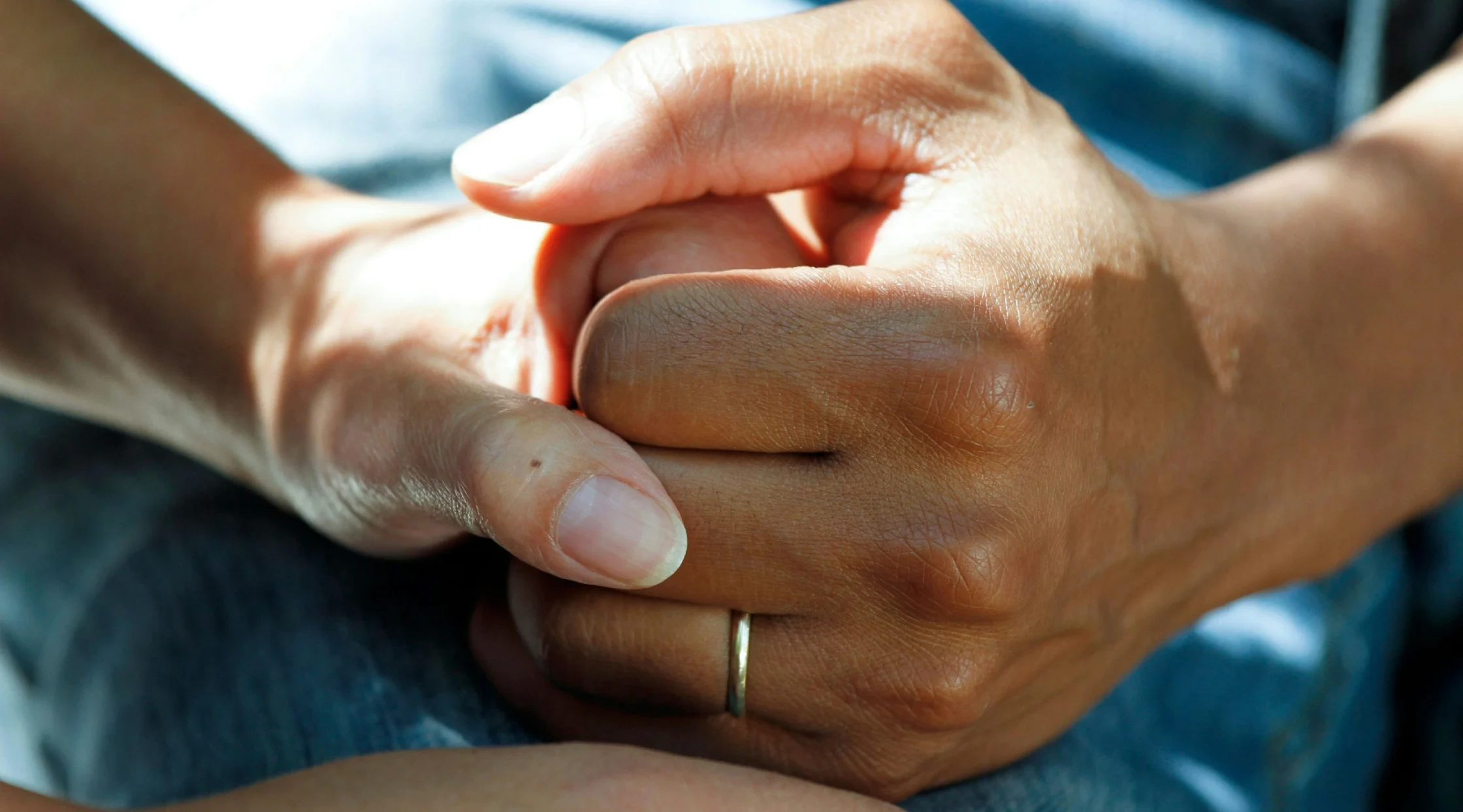
When families face cancer together, they don’t just survive it—they redefine what it means to care, to be present, and to hope. United by our differences, we are stronger together.
Frequently Asked Questions
The theme emphasizes that every cancer experience is different. Each patient and family has unique needs, emotions, and challenges, yet we are united in advocating for compassionate, people-centered care.
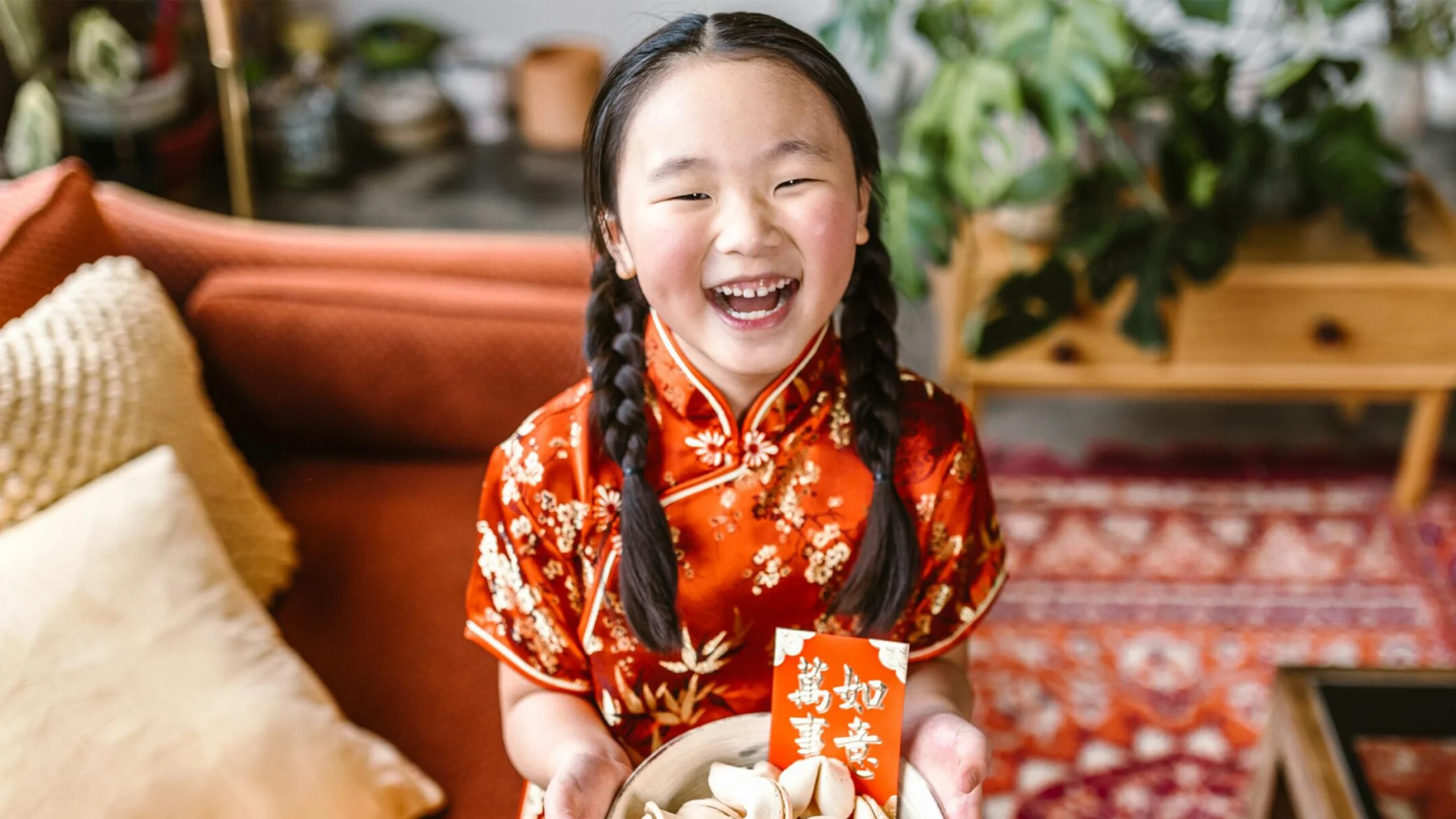
Children often sense emotional changes even when they don’t fully understand the diagnosis. Open, age-appropriate conversations and emotional support help children feel secure during a family’s cancer journey.
People-centered care focuses on the whole person—not just the illness. It includes emotional well-being, family involvement, shared decision-making, and access to the right support systems.
Support can be as simple as showing up, listening, helping with daily routines, or attending appointments together. Emotional presence and consistency matter just as much as medical treatment.
Communities can offer practical help, emotional support, and safe spaces for connection. When families feel supported, patients are better able to focus on healing.
More on cancer and its effect on families
Latest Cancer Treatments Give Families Hope
Understanding Breast Cancer from a Doctor’s Perspective
Early Cancer Detection For Teens: What You Need to Look Out For