How To Get Away From My Toxic Family Hits Too Close for Filipino Breadwinners



The film, directed by Lawrence Fajardo, tackles family dynamics that today’s generation increasingly recognizes as toxic
The story is familiar: a Filipino who leaves home to provide a better life for the family and save for the future. But what happens when that family becomes too dependent, when the burden of fixing problems they created falls solely on one person? It becomes a cycle of emotional and financial exhaustion.
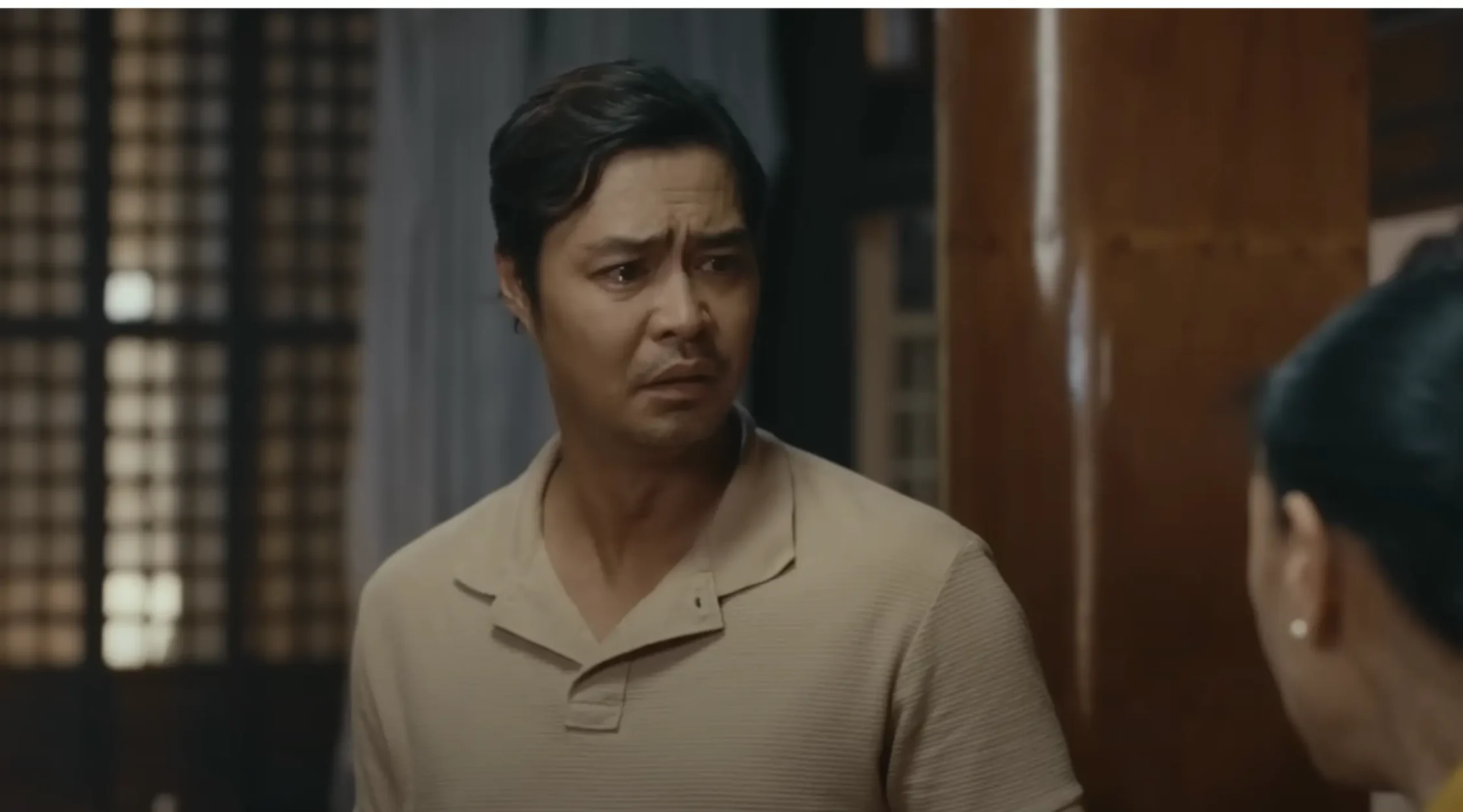
In How to Get Away from My Toxic Family, Zanjoe Marudo stars as Arsenio De Dios, an OFW who returns home after five years in Dubai. Instead of a warm homecoming, he finds himself putting out fires and being accused of ingratitude. Eventually, he makes the painful decision to walk away.

Photo from How To Get Away From My Toxic Family Trailer
Beyond utang na loob and toxicity in the family, the film explores issues like parental favoritism, emotional neglect, trust, and the true cost of sacrifice.
Here are some of the film’s most relatable themes for Filipino families:
When Parents Sabotage Their Child’s Relationship
When Arsenio returns, his girlfriend Helen picks him up from the airport and brings him home. But from the moment they arrive, his mother Aurora is cold and distant toward Helen. Later, when Arsenio shares his plans to stay in the Philippines and invest in a restaurant, Aurora questions the decision and Helen’s role in influencing it.
Aurora’s disapproval is layered with favoritism. She prefers the older son, Domingo Jr. (Richard Quan), despite his being a drunkard. In one scene, Aurora and her sister (Sherry Lara) openly criticized Arsenio and Helen.
Whether they admit it or not, some parents exhibit the same behavior—masking control as “protection.” It’s one thing to be cautious about your child’s choices. It’s another to be openly unkind. At the end of the day, empathy and respect still matter.
Bailing the Family Out of Debt
Arsenio uses his savings to retrieve the house title, hesitant, but bound by a promise to his late father to take care of the family. When he learns that Domingo Jr. plans to sell the house, with the knowledge of their mother and sisters, Mary Grace and Kylie, he feels deeply betrayed.
Relying on him was just the beginning. But when every problem becomes his to fix, Arsenio is forced to confront his limits.
Many Filipinos, especially OFWs, will see themselves in his shoes. While it’s noble to help, self-preservation and boundaries must also be part of the picture.

Photo from How To Get Away From My Toxic Family Trailer
Is it Selfish to Choose Yourself?
Arsenio’s plan to settle down and build a future with Helen sparks conflict. His mother disapproves. His brother Domingo accuses him of “stealing” the father role from him, because Domingo’s daughter, Jingjing, is closer to Arsenio than to her father.
Arsenio is called selfish for prioritizing his own life. But is he?
Is it selfish to invest in your future? To protect your mental healthMental HealthA person's emotional, psychological, and social well-being, which affects how children and parents think, feel, and cope. Open conversations, regular routines, and timely help from professionals make it easier for? To choose peace over obligation?
These are questions many breadwinners—and emotionally burdened family members—ask themselves.
Sibling Rivalry That Never Ends
The tension between Arsenio and Domingo Jr. began in childhood, when their father challenged them to a basketball shoot-out. The prize? Tuition at Mapúa University. Arsenio won, and Aurora was never happy about it.
The rivalry deepens when Domingo Jr. publicly shames Arsenio on social media, calling him arrogant and accusing him of taking the spotlight from Jingjing. The confrontation that follows ends in tragedy: Jingjing dies in an accident while trying to hang a welcome sign she and Arsenio had fixed.
GriefGriefThe deep sadness that follows the loss of a loved one, which children experience differently from adults. Parents can help by using honest, simple words, allowing tears and questions, keeping drives Domingo Jr. into a drinking spree. Arsenio finally calls him out not just for failing as a father, but for decades of dysfunction within the family. It’s a turning point, but also a heartbreak.

Photo from How To Get Away From My Toxic Family Trailer
When Love Comes With a Price Tag
From bailing out the family’s debt to being told that the money he sends “isn’t enough,” Arsenio is constantly guilt-tripped. His sister Mary Grace admits she was scammed and couldn’t contribute. Aurora deflects blame by insisting the family had no other choice but to borrow or pawn assets.
These aren’t just scenes in a movie—they’re real experiences many OFWs and breadwinners know too well. There’s a point when “helping” becomes enabling. And when guilt is used as currency, love turns transactional.
To Families: Don’t Burden the Child
How to Get Away from My Toxic Family gives voice to the quiet suffering of many Filipino breadwinners. While many feel obligated to help, the burden shouldn’t fall on one person alone.
It’s time families share the weight. That may mean getting a job, giving up luho, or simply learning to live within their means.
Culturally, utang na loob is revered, but unchecked, it can become emotional blackmail.
At the end of the day, a child, sibling, or parent shouldn’t carry the entire family on their back. We all have to do our part: financially, emotionally, and behaviorally.
And what about Arsenio? In the end, he returns abroad to work again. His story echoes that of thousands of Filipinos who leave behind their families, not out of selfishness, but out of love. Because the only way they know how to protect the future is to sacrifice the present.
More on Utang na Loob and Breadwinners
Juan Karlos Speaks Out on Children Becoming Breadwinners
Understanding What is “Toxic” in Filipino Family Culture
The Kingdom And The Breadwinner Is: Relatable For Families