Why ‘Bawi sa Tulog’ Is A Myth Among Parents



The hardest debt for many parents to pay off is not financial debt, but sleep debt. Or, as we often love to say: “bawi sa tulog.”
“Bawi na lang ako sa tulog this weekend.” — We’ve probably said this one too many times on every Friday before realizing that we had “connecting” activities with kids planned over the weekend.
It sounds reasonable. Logical, even. Sleep debt is real, exhaustion is real, and parents are very, very tired. Because at some point, no matter how many naps we take, the exhaustion still lingers. Legs are heavy. Patience stretched thin. And we’re always so hungry, even if we’ve already gorged on a 20-piece McChicken Nugget box from the nearby McDonalds.
Sure, the sleep-ins soothe. They soften. But it’s temporary; they don’t heal the kind of tired that’s been accumulating since a miniature version of you (or your partner) hasn’t been exorcised and has decided to challenge Typhoon Yolanda’s record in a contest of chaos-wreaking or to chant “6-7” throughout the home’s halls like a tribal war cry, making us cringe and wonder why their teachers haven’t kicked that nonsensical phrase out of them yet.
Here’s why the “bawi sa tulog” is just a myth and what helps instead:

1. Parental exhaustion is a form of chronic overload
Yes, you’re tired. But it’s not only because you slept five hours on a Tuesday.
Parental exhaustion is a cocktail of mental load, emotional labor, decision fatigue, and invisible planning. Even while asleep, your brain is half-on: tomorrow’s baon, deadlines, pediatric checkups, and the nagging question of whether your kid ate anything green this week.
Sleeping in on Sunday doesn’t erase the constant cognitive hum that runs Monday to Friday. You wake up rested—but still overloaded.
2. Catch-up sleep disrupts your body clock
Sad to say, sleeping in late can make you feel worse. Knowing that it’s a work day and a Monday, makes it even worse.
When parents sleep two to three hours later on weekends, it throws off their circadian rhythm. Sunday night becomes harder to fall asleep, Monday morning feels crueler, and by Tuesday, you’re already tired again.
It’s like jet lag—but instead of flying abroad, you just tried to survive a school week in Metro Manila traffic.
3. Weekend rest doesn’t really exist in Filipino culture
Let’s be honest: Most Filipino parents (especially the traditional ones) frown upon “sleeping in.”
In a strict household, everybody must be up at 8 AM (9 AM at the latest). No excuses. Doors flung open. Blankets yanked. Pots and pans clanking. But not because we want to.
In our minds, we already think: someone needs breakfast. Someone needs help finding a charger. Someone wakes up at 6 a.m. on weekends because somehow, kids are more capable of doing that when they know there’s no school the next day.
Even when you stay in bed longer, the sleep is lighter, fragmented, and mentally alert. Restorative sleep requires consistency, not negotiation.
4. Emotional fatigue doesn’t clock out on Saturdays
Sleep fixes physical tiredness. It doesn’t automatically fix emotional depletion.
Parents can get tired of being needed. Being the one to “figure it out” or “fix everything” all the time is so frustrating. We’re always teetering on that thin, tightrope line between crooning the usual, “Okay, mom/dad will do it,” to snarling, “Oh, for God’s sake, figure it out!” Of course, we try to default to the first because we’ve learned too much about generational trauma.
But hey, some kids need to learn things the hard way.
So that heaviness—the one you feel even after eight hours of sleep—comes from emotional burnout, not sleep deprivation. No amount of Sunday napping can undo that alone.
And if you’re driving, all the more you shouldn’t if you feel that way.
5. “Bawi sa tulog” delays better, sustainable habits
The promise of weekend recovery often justifies weekday neglect.
We push through nights with poor boundaries because we believe the weekend will save us. But it rarely does. Real recovery comes from smaller, boring, unglamorous habits: earlier bedtimes, shared responsibilities, quiet evenings, and realistic expectations.
Not heroic rest. Sustainable rest.
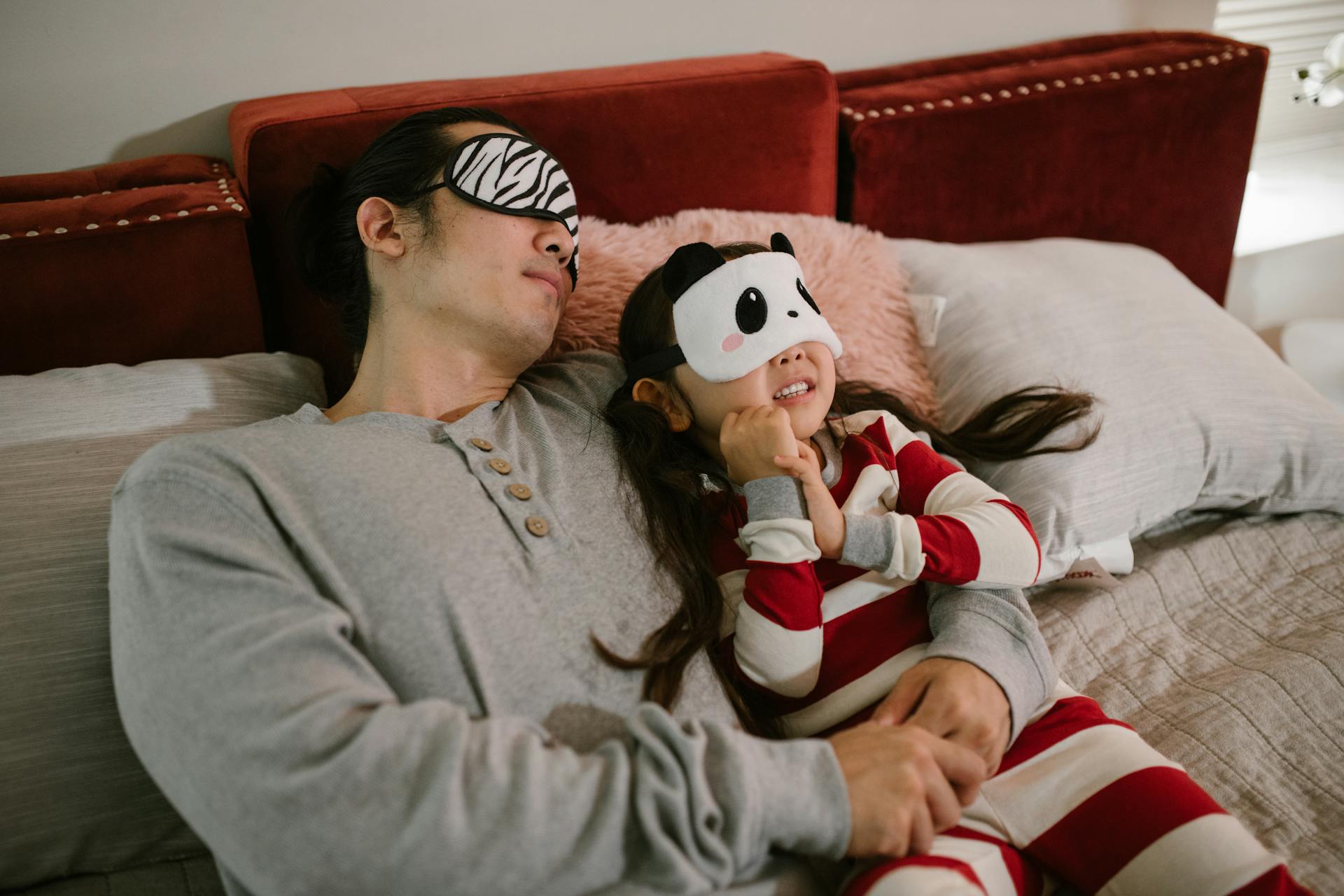
So what actually helps tired parents?
Not a perfect sleep schedule—but a kinderKinderThe first year of formal schooling in the Philippines, required for children around age five. Kinder introduces letters, numbers, routines, and group play, so a gentle start helps children adjust schedule.
Not every weekend needs to be a “family fun” or a “family reunion” weekend. It can just be a day at home to snooze. The Spaniards were on to something when they influenced the Filipinos with the concept of siesta time.
Short daily resets matter more than one long weekend crash. Consistent bedtimes, even by 30 minutes. Micro-breaks where no one asks you for anything. Emotional off-duty time where you’re not “on call.”
Rest shouldn’t be a reward or a privilege. It’s a necessity if we want to keep our curious (and commonly reckless) loved ones alive.
And yes, you can still enjoy sleeping in sometimes. Just don’t expect it to fix what’s been chipping away all week.
Rest is something we have to design ourselves
The Filipino instinct to endure is powerful. We push through, make do, and promise ourselves relief later. But exhaustion doesn’t disappear just because Sunday was quiet.
Parents don’t need more heroic weekends. They need gentler weekdays, shared loads, and permission to stop running on empty.
Because real rest isn’t found in sleeping late—it’s found in living in a way that doesn’t drain you dry in the first place.
Frequently Asked Questions
Many Filipinos may frown upon it, but it’s what keeps most body functions working. The liver, for example, regenerates better when we have better quality sleep.
In English, it means “to catch up on sleep.” But let’s be honest, catching up on sleep is more than just snoozing away. There’s a science in it where we have to achieve REM sleep or understand our circadian rhythms better.
Science would say 7-9. But parents rarely get that, especially when they have newborns or toddlers.
Trust the kids to not blow up something when you’re not looking. Ignore the urge to control everything. Remind yourself, “If the kids got themselves into something, they need to learn how to get themselves out of it.”
Unless, of course, it involves legal matters like online sexual predators and the like. But if they’re just trying to figure out how to make a cheese sandwich from the fridge, it’s better to forgive the mess they made in the kitchen than to constantly monitor their stomachs and hunger pangs.
Ditch the doomscrolling by charging the phone in another room. Give yourself one hour to settle down before bedtime. Those who live on coffee need a cut-off by at least 7 PM.
Need more ways to achieve better sleep?
Home Hacks To Make Your Bed Hotel-Grade For High Quality Sleep
10 Tips for Parents to Get Proper Sleep
Doomscrolling: The Digital Time Sink and How To Stop Yourself