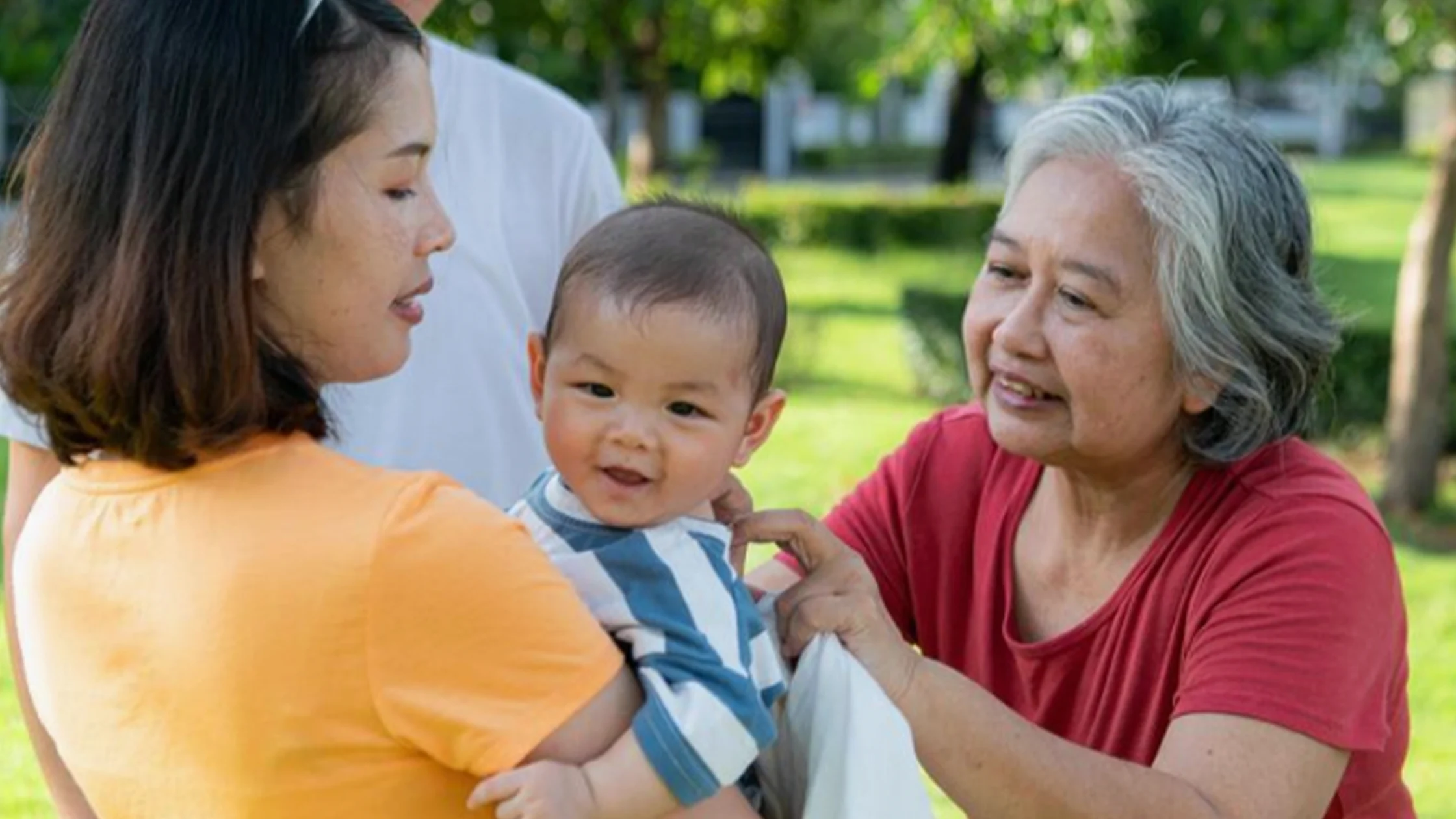
Parenting With Lolas: Navigating Different Parenting Styles at Home



When lolas become the second mom at home, there can be a lot of friction in terms of parenting styles
In many Filipino households, parenting is rarely a one-generation job. Between busy work schedules, long commutes, and rising childcare costs, many parents rely on the most trusted support system they have: lola.
Grandmothers often become the family’s backbone—picking up children from school, preparing merienda, and stepping in when parents need help. But along with that help sometimes comes a familiar challenge: different parenting styles.
If you’ve ever heard “Noong panahon namin…” during a discussion about screen time, discipline, or snacks, you’re not alone. Parenting with grandparents can bring both comfort and conflict. Understanding where those differences come from can make it easier to navigate them with patience and respect.
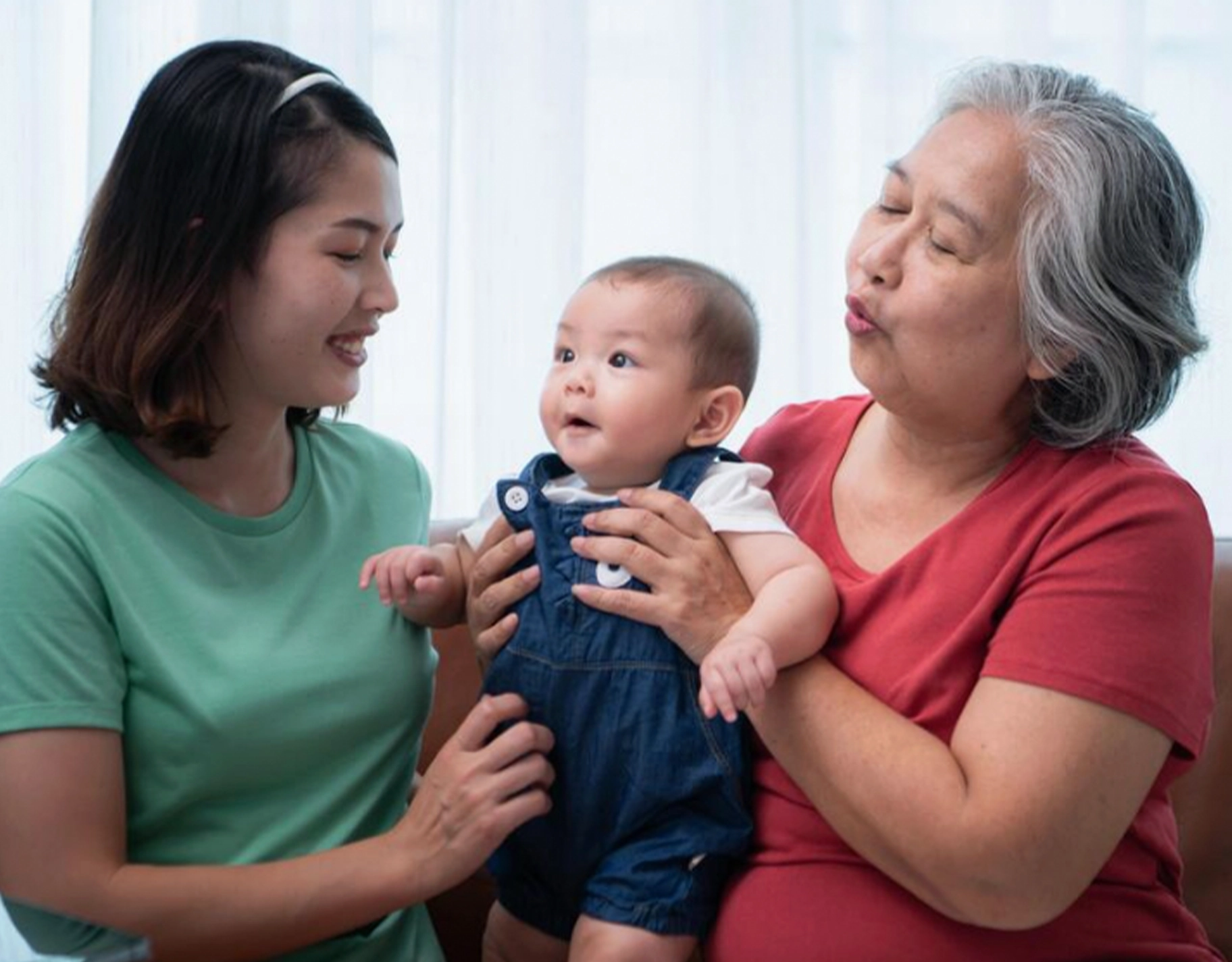
Why Parenting Styles Differ Between Generations
The biggest reason parenting approaches differ between lolas and today’s parents is simple: they grew up in very different worlds.
Many Filipino grandparents lived through major historical events that shaped how they view family, discipline, and survival. Experiences like World War II, the Martial Law in the Philippines, and the EDSA People Power Revolution influenced how families raised children.
For many in that generation, life demanded resilience and strict discipline. Resources were limited, safety wasn’t always guaranteed, and obedience was often seen as essential for survival. There was no time for complaints.
That history shaped a parenting mindset focused on respect for authority, practicality, and toughness.
Today’s parents, on the other hand, are raising children in a world where research on child development, emotional intelligence, and mental health is widely accessible. Parenting advice now comes from psychologists, pediatricians, and online communities.
Instead of simply teaching children to obey, many modern parents are trying to teach emotional awareness, independence, and communication.
Neither perspective is wrong—they are simply shaped by different experiences.
The Technology Gap in Parenting
If history created one gap, technology widened it even more.
Grandparents grew up in a world without smartphones, tablets, or social media. Today’s parents are figuring out how to solve the problems innovations have caused. Social media became an avenue for cyberbullying. Screens killed language proficiency. And unfortunately, lola doesn’t have a one-stop solution for that.
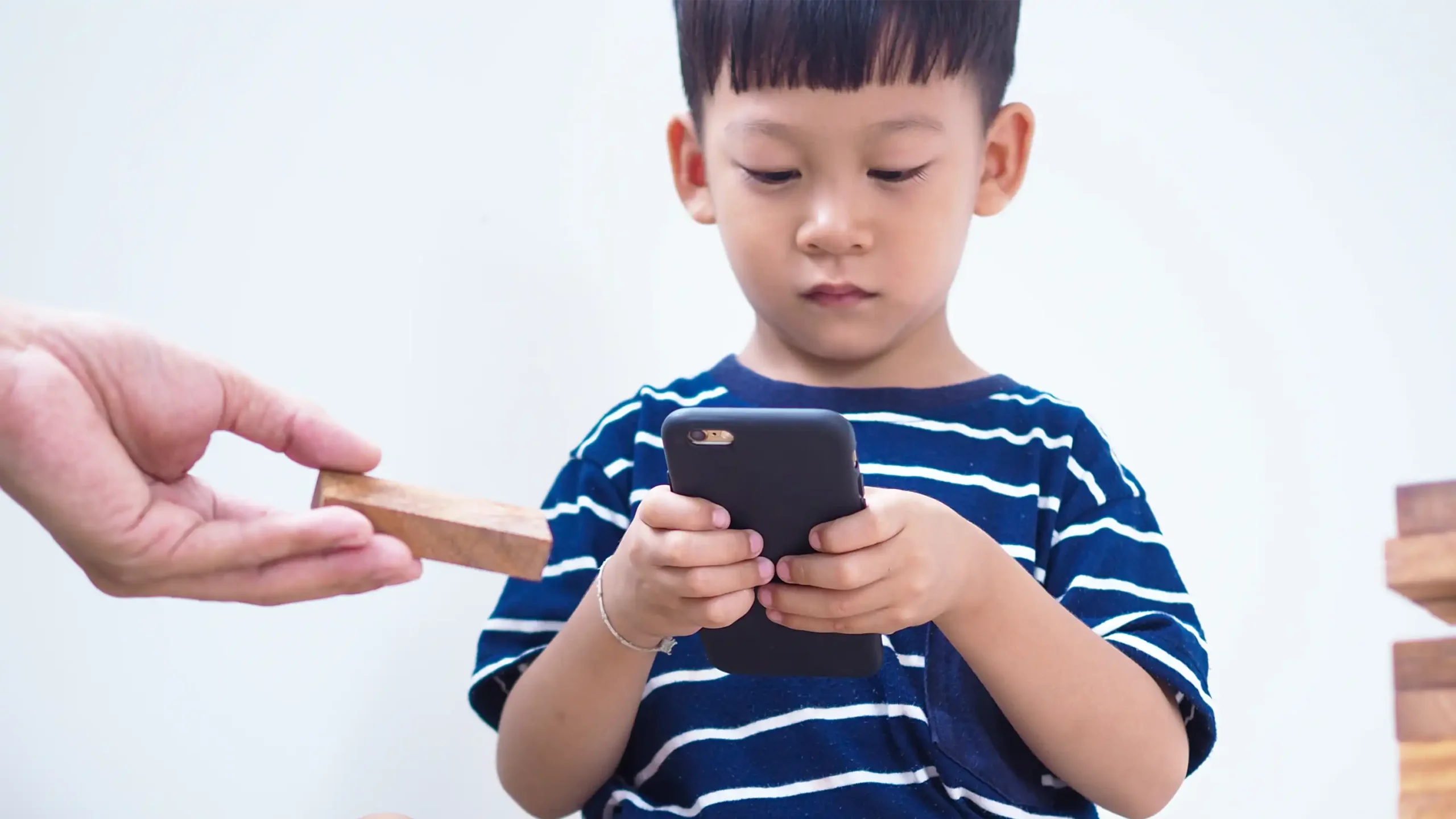
For many lolas, letting a child watch cartoons on a tablet may simply look like harmless entertainment. For parents who read about screen-time research and digital addiction, it can feel like something that needs limits. This difference isn’t about being careless or overly strict. It’s about the reality that technology evolved faster than any generation could fully prepare for.
Discipline Then and Now
Another common source of tension is discipline.
Older generations often grew up with stricter forms of discipline. Many were taught that correction—sometimes even physical punishment—was necessary to teach respect.
Younger parents today are more likely to explore approaches like gentle parenting, emotional coaching, or positive discipline.
For lolas, these newer styles can sometimes seem too soft. For modern parents, traditional methods can seem barbaric, especially when they themselves are self-aware about the damage.
But beneath the disagreement is usually the same goal: raising good, responsible children.
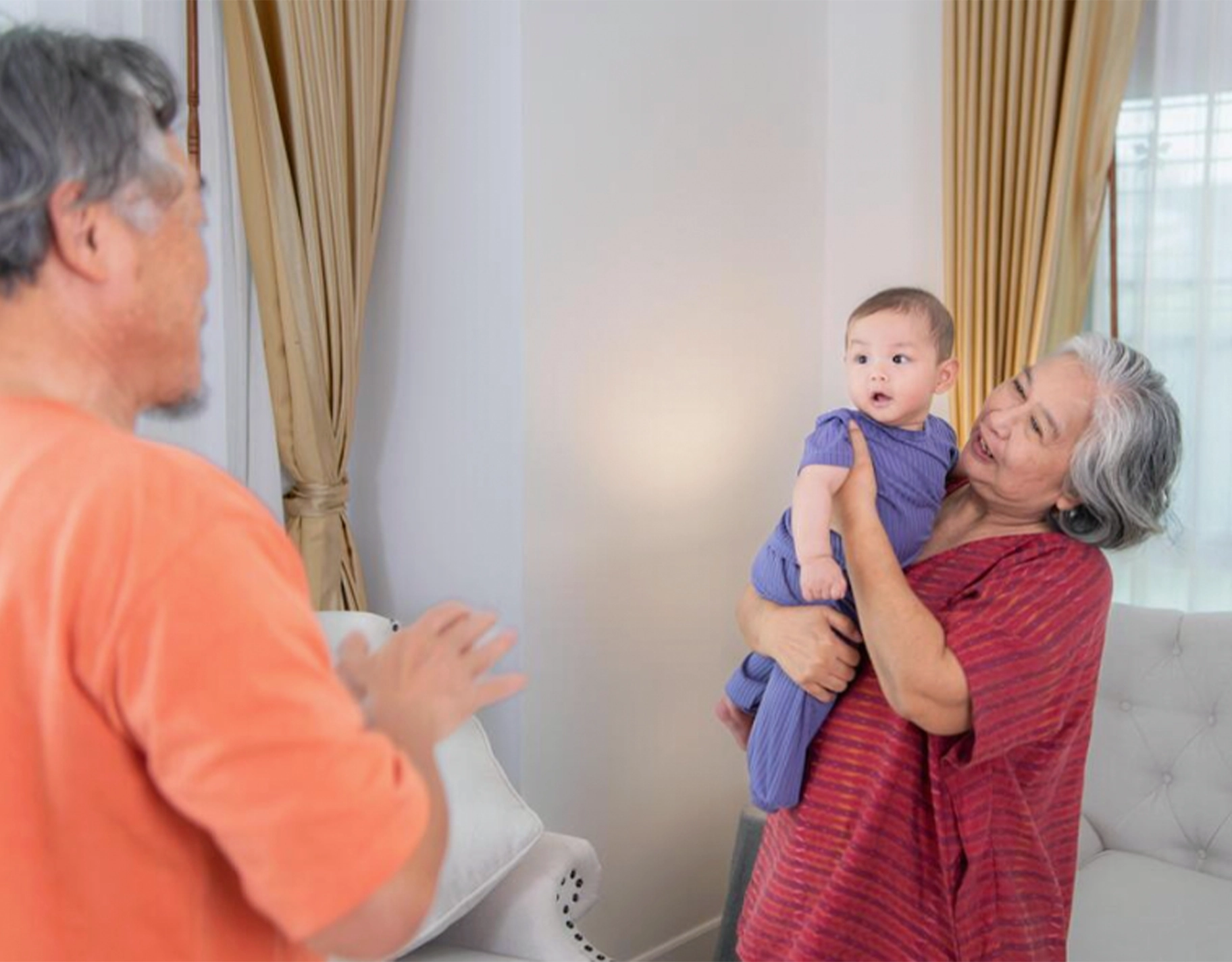
Why Grandparents Still Matter So Much
Despite the differences, Filipino families have something incredibly special: multi-generational parenting.
Grandparents offer children something that parenting books can’t always provide—stories, patience, cultural memory, and unconditional affection.
They pass down family traditions, teach children how to pray, cook favorite dishes, or understand family history. In many cases, lolas also provide emotional security that children carry for the rest of their lives.
Research consistently shows that children who have strong relationships with grandparents often develop stronger identity, resilience, and emotional support networks.
How Parents and Lolas Can Work Together
Navigating different parenting styles doesn’t mean choosing one generation over the other. Instead, it often means finding ways to blend wisdom and new knowledge.
Here are a few ways Filipino families can make it work:
Start with appreciation
Before discussing differences, acknowledge the help grandparents provide. Caring for grandchildren is a big responsibility.
Explain the “why”
When introducing new parenting approaches, share the research or reasoning behind them rather than simply saying something is wrong.
Pick your battles
Not every difference needs to become a family debate. Sometimes flexibility keeps the peace.
Create shared rules
Agree on a few consistent boundaries—such as bedtime routines or screen limits—that everyone follows.
Celebrate generational strengths
Lolas often excel at patience, storytelling, and family traditions. Let them shine in those areas.
Parenting Across Generations
At the end of the day, parenting with grandparents is not about proving who is right.
It’s about recognizing that every generation raised children with the tools they had at the time.
Lolas raised families through history’s challenges. Today’s parents are raising children in an age of rapid change and information overload. While there will be some contradictions, both perspectives bring something valuable to the table.
But that’s what made Filipino children so resilient. Instead of growing up in one time period, they’ve lived through two. By being around parents and grandparents, they receive the best of both worlds: modern understanding and timeless love.
Frequently Asked Questions
They’re highly respected and very important. As keepers of the family’s history, they often remind everybody where they’ve come from. They also tell many stories filled with lessons on grit and resilience.
Yes, actually! Some use the term “Lola Tita” to make it easier to differentiate their immediate lola from her sister. Others just call them “Lola (insert name here).”
It’s on a case-by-case basis. Sometimes, the kids need to learn the hard way. In a way, today’s parents and grandparents balance each other out: one teaches how to be kind while grandparents teach that some things need to be fought for.
A common occurrence towards the end of life, lolas can become senile due to dementia and other things. In cases like these, it’s still okay to bring the kids over. Just maybe to talk, but not necessarily babysit.
Commonly, they call them “Lola” or “Lolo.” However, some have adopted the “Nanay” or “Tatay” approach. Chinoys or Chinese often use “Ama,” “Kongkong,” “Guama,” or “Gwakong.”
More about grandparents?
This is Why We Love Grandparents
5 Common Aches Our Grandparents Need Relief From
How To Care For A Family Member with Dementia