A Love Letter To The Healing Generation of Parents



When pressure comes from two sides, this is why millennial parents are called the healing generation
Dear millennial parents,
Apparently, we have a new nickname: the healing generation.
What does it mean? The most obvious sign is seen in how we discipline them. While doing the whole other parenting stuff, we’re more aware of our rage. We always think before we lash out. When we yell, we always double-check: “Are we doing it for the right reason?”
Unfortunately, that’s where we start feeling the pressure.
Not because we have everything figured out and trying to be consistent. But because we’re weeding out what went wrong and trying to make a new parenting playbook from scratch.
We’re Learning From the Past Without Rejecting It
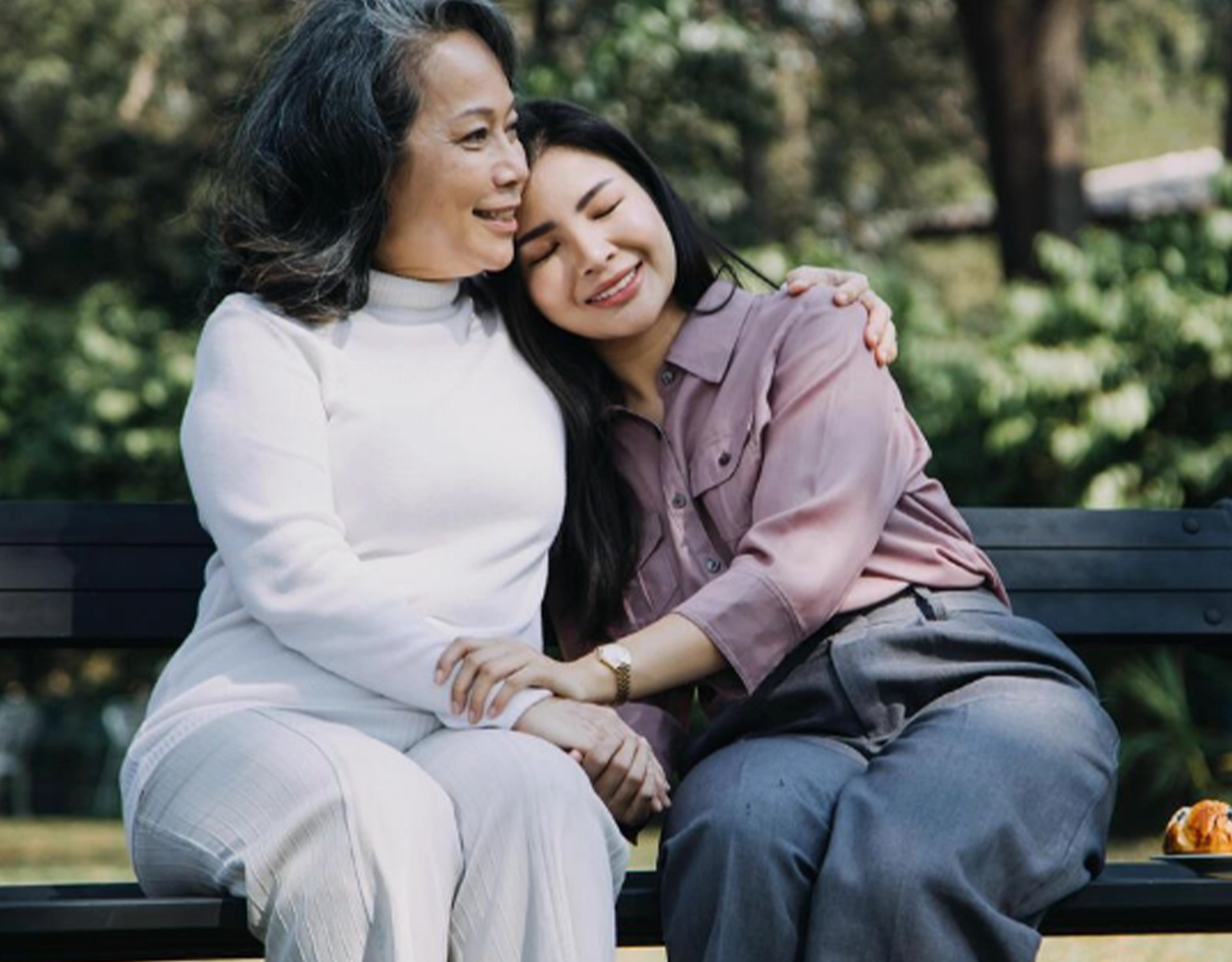
Many of us were raised by parents who worked tirelessly to provide stability.
Their love often showed up as sacrifice, discipline, and resilience. For many families, those values built strength that carried generations forward.
But we’re also recognizing that some things were left unsaid.
So instead of blaming the past, we’re trying to understand it.
We’re reading about Psychology and Child Development. We’re going down the rabbit hole of how childhood shapes emotional well-being. We’re sifting out what worked, what didn’t, and what we want to do differently.
It’ll take a lot of work. But it’s something that pays off.
We’re Teaching Kids That Feelings Matter
In many homes today, children are learning something that wasn’t always taught before.
They’re learning the names of things that we originally didn’t speak about.
Instead of being told to stop crying or toughen up, they’re invited to talk about what hurt, what frustrated them, or what scared them. Conversations that once ended with “because I said so” now come with explanations and patience.
This shift connects closely to the idea of Emotional Intelligence—the ability to understand emotions, communicate clearly, and empathize with others.
And in teaching this to our children, we’re also learning it for yourselves.
We’re Showing That Healing Is Allowed
Perhaps one of the most remarkable things about your generation is this: we’re not trying to pretend we figured it out. We’re the generation that embraces flaws like it’s a part of us.
Therapy. Mental health. Triggers.
Instead of hiding that work, we’re letting the kids witness the journey.
We’re showing them that not all stories are linear. They’ll always have those up and down moments.
We’re Breaking the Cycle Little By Little
The idea of “breaking generational cycles” can sound dramatic, but in everyday life it often unfolds through small, quiet choices. It happens in the moments when a parent pauses to apologize after losing their patience, when they tell a child that their feelings matter, or when they set boundaries—even when doing so feels uncomfortable.
More often than not, it’s simply choosing connection when frustration would have been easier. These seemingly ordinary acts slowly reshape the emotional climate of a home, building trust, safety, and understanding over time. The change may not always be loud or visible to the outside world, but within families, it can make all the difference.

Not Perfect—But Trying
Yes, we’re still tired.
Juggling careers, bills, family expectations, and the invisible mental load that comes with parenting today—that’s the original stuff and more. There are days when patience runs out before bedtime. Days when you question whether you’re doing any of this right.
But we pause. Reflect. Then, we try again tomorrow.
Healing, after all, isn’t about doing everything perfectly. It’s about choosing—again and again—to do a little better than yesterday. And don’t worry, it’s shaping children who will one day carry that gentleness into the world.
And that might be the most important kind of parenting there is.
With admiration,
The millennial parents raising the next generation
Frequently Asked Questions
Millennial parents are often described this way because many are intentionally addressing emotional patterns from the past while raising children with greater empathy and awareness.
Many millennial parents emphasize communication, emotional awareness, and mental health alongside traditional values like discipline and responsibility.
Emotional Intelligence helps children understand their feelings, communicate effectively, and develop healthy relationships later in life.
Yes. Compared to previous generations, many millennial parents openly discuss therapy, counseling, and emotional well-being as part of personal growth.
Not at all. It simply means being more intentional—reflecting on past experiences and trying to create healthier emotional environments for the next generation.
More about healing the inner child?
Rishma Dhutti: Healing and Empowering Her Inner Child
Rajo Laurel on Creativity: How the Inner Child Fuels Inspiration
Little Ways On How We Can Heal Our Inner Child