
PIDS Study: “When Children Dream Big, Parents Are The Dreamweavers”



A new PIDS study reveals that many Filipino children dream of becoming professionals despite economic hardships. More importantly, what parents believe about their children’s future may matter more than income alone
It’s easy to assume that poverty limit children’s dreams. But a new study from the Philippine Institute for Development Studies (PIDS) suggests otherwise.
Analyzing data from nearly 10,000 children and youth aged 10 to 25 from households enrolled in the Pantawid Pamilyang Pilipino Program (4Ps), researchers found that economically disadvantaged Filipino children continue to aspire to careers such as doctors, teachers, engineers, nurses, and other professionals.
The findings offer an encouraging reminder for parents: children dream bigger than their circumstances. Even when faced with financial challenges, many young Filipinos still imagine futures filled with opportunity, purpose, and success.
But the study also uncovered something equally important—those dreams are strongly influenced by what parents believe is possible.
What Does the Study Say?
According to the research, participation in the 4Ps program did not have a measurable effect on children’s career aspirations. While the program successfully supports education and school attendance, it did not significantly change the careers children hoped to pursue.
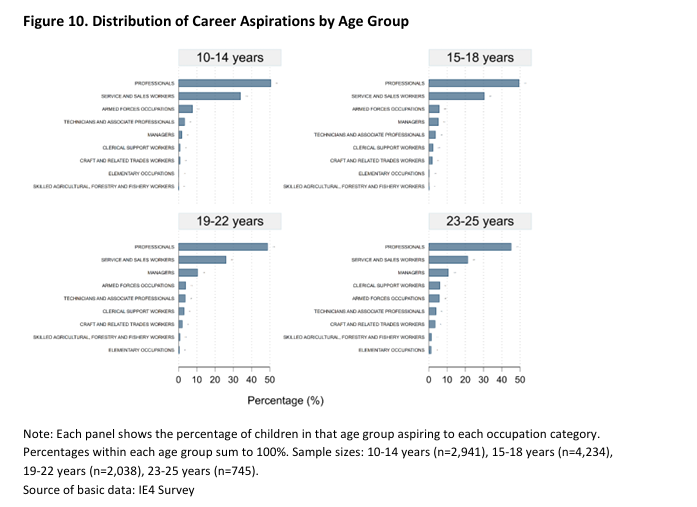
Instead, researchers found that parental aspirations were the strongest predictor of a child’s career goals.
“When parents aspire for their child to become a professional, children are substantially more likely to hold professional aspirations themselves,” the researchers said.
In simple terms, children often borrow their vision of the future from the adults raising them.
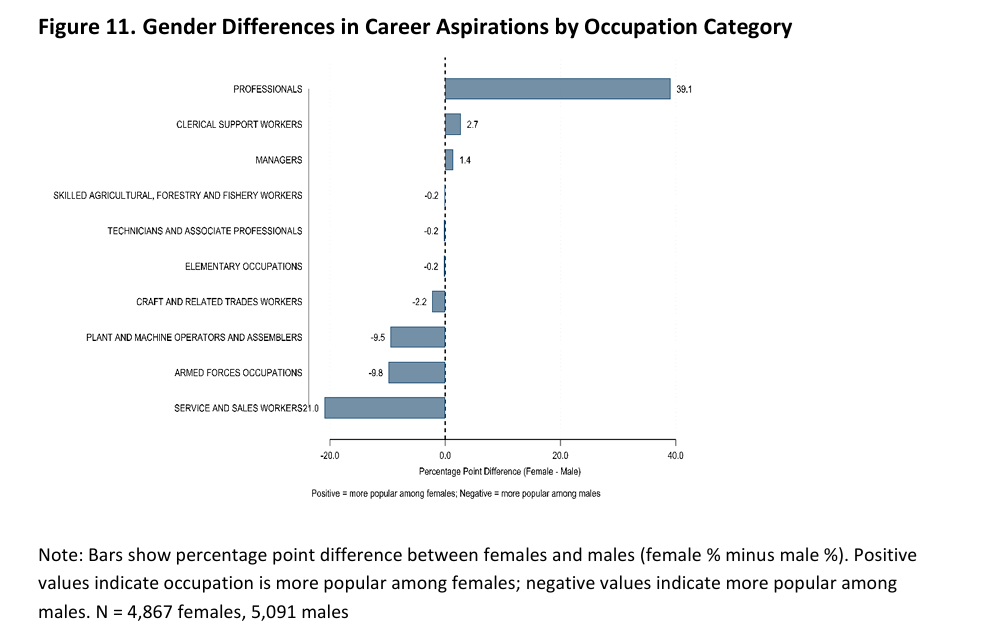
The study showed that parental expectations had a far greater influence on career aspirations than factors such as employment status, literacy, or even individual traits like grit.
Researchers noted that while poor children already dream ambitiously, expanding those dreams may require more than financial support. Exposure to role models, career guidance, and conversations at home about future possibilities can help children see pathways toward achieving their goals.
Why Parents Matter More Than They Realize
The study’s biggest takeaway is not that children need bigger dreams—they already have them.
The challenge is helping them believe those dreams are attainable.
Whether it’s talking about different careers, encouraging curiosity, celebrating effort, or simply expressing confidence in a child’s potential, parents play a powerful role in shaping how children see their future.
Dreams may begin in a child’s imagination, but they often take root in the words, expectations, and encouragement they hear at home.
Sometimes, the first person who helps a child dream big is the parent who believes they can.
References
Melad, K. A. M., Abrigo, M. R. M., Diola, D. K. G. C., & Pablo, C. V. (2026). Dreams and small means: Career aspirations of children in the Philippine 4Ps Program (No. 2026-04). PIDS Discussion Paper Series.
Frequently Asked Questions
The study found that many economically disadvantaged Filipino children aspire to professional careers such as doctors, teachers, engineers, and nurses despite financial challenges.
No. The research found that poor children generally maintain ambitious career aspirations regardless of their economic circumstances.
The study identified parental aspirations as the strongest factor influencing children’s career ambitions, outweighing many other personal and social factors.
Researchers found no detectable effect of 4Ps participation on children’s career aspirations, although the program remains effective in improving school attendance and enrollment.
Parents can encourage exploration, discuss different careers, introduce role models, support education, and consistently express belief in their child’s potential and future success.
More about studies?
What Parents Need to Build Reading Stamina in Their Kids
UK to Ban Social Media for Children Under 16 in 2027
Traumatic Intelligence: Why Parents Try to Control All