
DepEd Postpones Aug. 25 Active Attack Drills: Why Debriefing Kids Matters, Too



DepEd has moved its nationwide active attack drills to September, giving schools more time to make the exercises age-appropriate and trauma-informed
Parents may understandably feel uneasy sending their children to school amid concerns about school violence and attacks. The Department of Education (DepEd), however, has postponed its nationwide active attack drills scheduled for August 25, 2026, in public and private elementary and secondary schools. The activity will instead be conducted in the first week of September.
DepEd said the additional time will help align the drills with recommendations from weather, disaster preparedness, child protection, and psychosocial support experts. The exercises are expected to focus on basic protective actions, communication, coordination, accountability, and recovery while avoiding hyper-realistic or graphic simulations that could cause unnecessary distress.
For parents, this is an important distinction: preparedness does not have to mean traumatizing children.
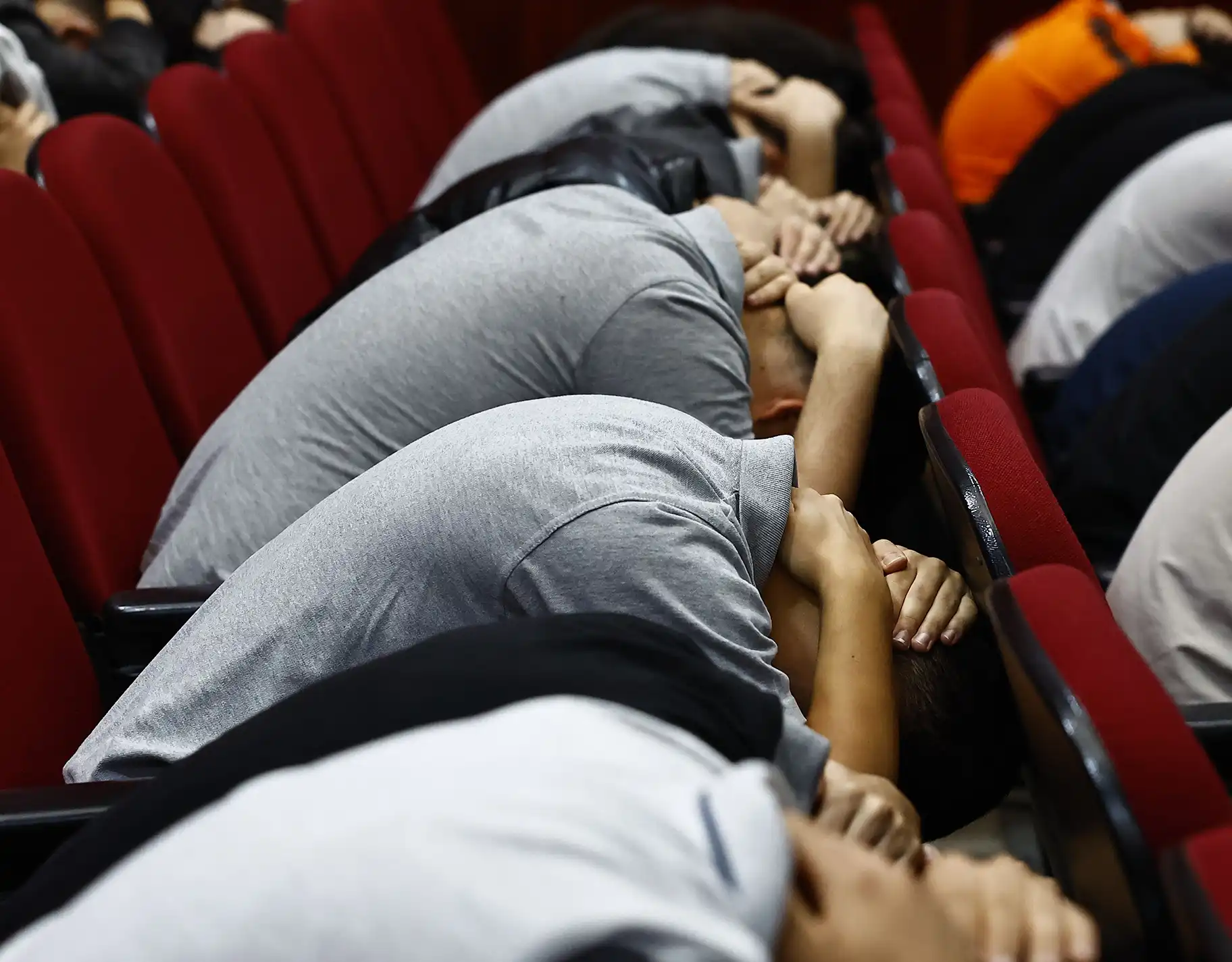
Pros and Cons About The DepEd Active Attack Drills
Of course, everything has a pro and con. No plan is perfect; having simulated shooter drills may feel like we’re forcing kids to grow up too fast, but that’s where we are.
1. Preparation and Knowledge is very Helpful
The DepEd active attack drills can help students and school personnel understand what to do during an emergency.
Knowledge is the first half of the battle. Preparing them for the possibility teaches them that this situation can happen. But the most important part is to teach them from the viewpoint of someone not having a gun. Because most of the time, that’s how it’s going to turn out.
2. Realistic Simulations Can Cause Harm
The Philippine Psychiatric Association and Philippine Society for Child and Adolescent Psychiatry previously called for simulation activities to be deferred, warning that hyper-realistic exercises could cause psychological harm without improving safety outcomes.
3. Debriefing Helps Children Process the Experience
Debriefing is that moments where parents, teachers, and childrens can just sit down and talk about it. After a drill, parents and teachers should ask children what they experienced, what frightened them, and what they learned. Be honest about fear. Your child may be just as scared as you are.
4. An Opportunity: Teaching Kids That Violence Has Permanent Consequences
And unlike a video game, real life has no reset button or infinite lives. Violence has permanent consequences. A gun is not a toy, and a person who is shot cannot simply respawn.
5. Extend the Lesson to Online Behavior
That lesson should extend online, too. Social media can be like a gun: what you fire into the world can leave receipts—and sometimes a smoking gun. If you cannot type anything kind or constructive, don’t comment. Children also don’t have to react to everything simply because a post tells them to.

Preparedness For An Attack is A Joint Effort
Schools cannot carry this responsibility alone.
Parents, teachers, school administrators, emergency responders, and children all have a role in keeping schools safe. DepEd has instructed regional offices to coordinate with agencies including the DILG, PNP, and BFP, while schools are reminded to provide Psychological First Aid and psychosocial support under their contingency plans.
Parents can reinforce the same message at home: safety first, retaliation never.
A child who has experienced bullying may understandably feel anger and a desire for justice. But death should never be treated as the only acceptable payment for wrongdoing. As human beings, we don’t have the authority to decide who lives and who dies.
Frequently Asked Questions
The nationwide drills have been moved from August 25 to the first week of September 2026.
DepEd cited inclement weather, class cancellations, and the need to further align the activity with child protection and psychosocial support recommendations.
DepEd says the exercises should be age-appropriate and trauma-informed and should avoid hyper-realistic or graphic simulations.
Talk to your child. Ask what they learned, acknowledge their fears, correct misunderstandings, and reassure them that the purpose of preparedness is to help everyone get home safely. And most of all, hug your kids. Their minds and bodies process these things very differently.
While it’s good to learn self-defense as a LAST RESORT, de-escalation and negotiation is a better choice. However, in the case of a shooter, it’s better not to engage and just get to safety.
More about DepEd plans?
How Parents Can Help Kids Cope With Active Shooter Drills
DepEd Rolls Out Active Shooter Drill To Improve School Safety
School Mental Health: DepEd Expands On Guidance Counselors