Is a Steam Cleaner Worth It for Our Homes?



Say goodbye to stubborn kitchen grease, rainy season dampness, and hidden germs — without harsh chemical fumes
Investing in a steam cleaner pays off for homes dealing with sealed tile floors, stubborn kitchen grease, or deep grout grime. While it will not replace your daily broom or mop, it offers a chemical-free way to tackle high-humidity trouble spots.
What are the main benefits of steam cleaning?
High humidity and daily indoor cooking expose our homes to heavy grease, mold, and amoy kulob. Steam cleaners use superheated water vapor to loosen this dirt and sanitize surfaces without chemical fumes.
Superheated steam reaching at least least 100°C (212°F) kills up to 99.9% of common household bacteria and surface mold—provided you maintain sufficient contact time. To sanitize effectively, hold the nozzle or mop stationary over each spot (or move it very slowly) for 5 to 20 seconds rather than doing a quick pass.
Steam has no chemical residue, thus it protects babies, crawling toddlers, and curious pets from harsh cleansers. It’s also an effective surface sanitizer. team eliminates existing surface mold on contact when applied correctly, though fixing long-term growth requires improving indoor airflow.
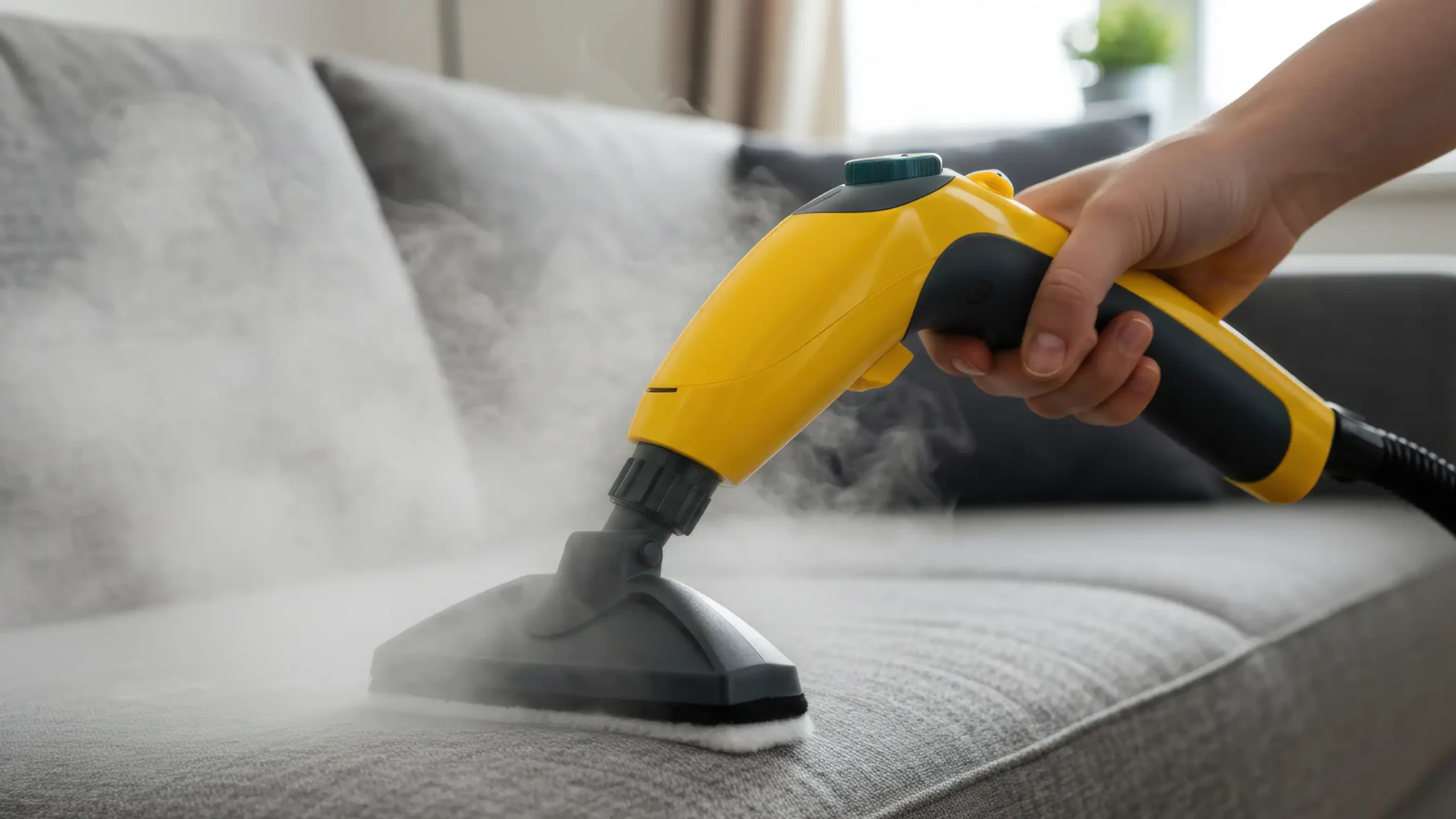
Deep-penetrating steam heat destroys dust mites and neutralizes pet dander hiding in mattresses, sofas, pillows, and fabric curtains. Always double-check garment care labels before steaming delicate upholstery.
Pressurized steam softens baked-on cooking oil, heavy splatters, and accumulated libag (grime) trapped along tile grout lines.
Can steam eliminate amoy kulob and odors?
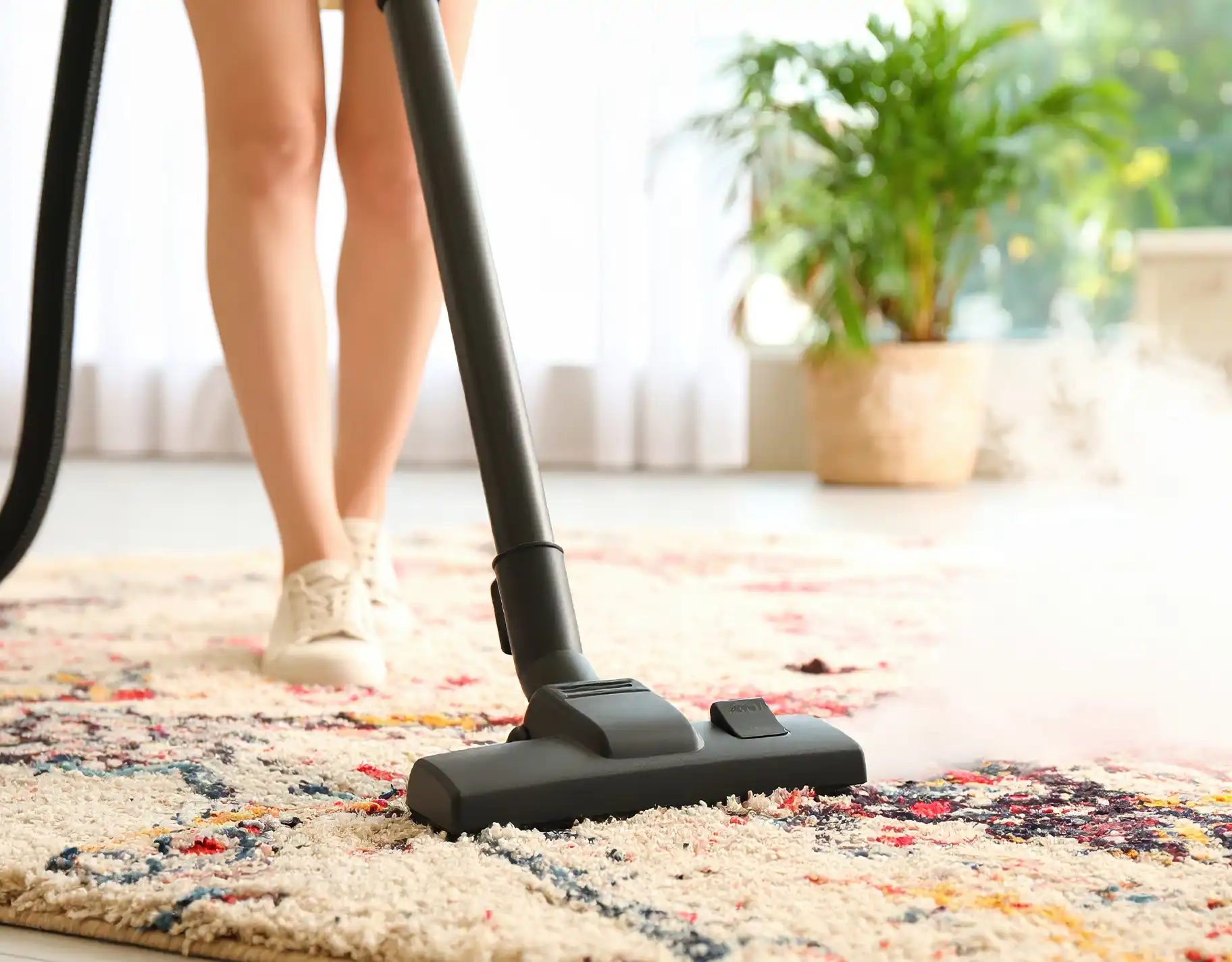
Thermal vapor targets and neutralizes odor-causing bacteria trapped deep inside carpets and soft upholstery.
For pet accidents, blot liquid messes thoroughly before applying steam so heat does not lock in stains. When steaming to freshen up fabrics, open windows and turn on fans to let trapped moisture evaporate rapidly.
What surfaces can you steam clean safely?
Steam cleans hard, non-porous materials effortlessly. However, intense vapor heat and moisture can permanently damage delicate or unsealed surfaces.
Safe to steam clean are:
- Sealed ceramic and porcelain tiles
- Intact cement grout lines
- Stainless steel stovetops and sinks
- Glass windows and shower doors
Avoid steam cleaning:
- Unsealed hardwood floors
- Laminate and click-vinyl flooring
- Delicate silk, velvet, or thin synthetic fabrics
- Engineered wood paneling
How do you safely use a steam cleaner?
Pressurized hot steam can cause severe skin burns if misdirected. Follow these straightforward steps for a smooth, safe cleaning routine:
Before cleaning
- Read the manufacturer manual for proper water volume and settings.
- Sweep or vacuum up loose dust, pet hair, and food crumbs.
- Test the steam on a small, hidden patch of flooring first.
While cleaning
- Keep young children and pets in a separate room.
- Direct steam nozzles away from skin, power outlets, and electronics.
- Run kitchen, bathroom exhaust fans or open windows to maintain strong airflow.
After cleaning
- Unplug the appliance and allow the water tank to cool completely.
- Wipe down freshly steamed surfaces with a clean microfiber towel.
- Empty residual tank water before storing the machine away.
How to choose the right steam cleaner
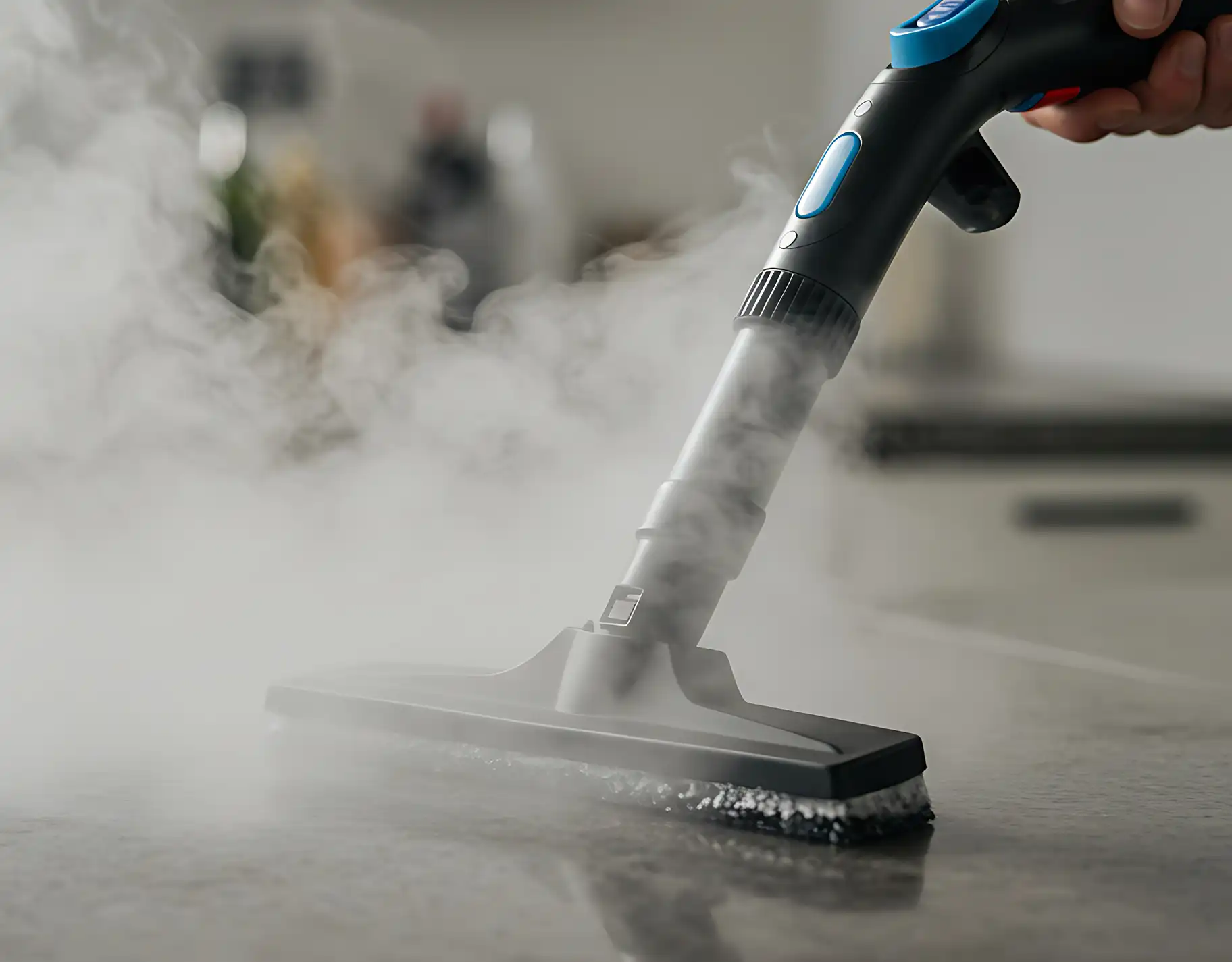
A steam mop suits you if tiled floors are the main job. A handheld model is handier for grout, stovetops, and bathroom fixtures, while a canister unit offers more versatility if you plan to clean many different surfaces often.
Look for adjustable steam settings, a manageable tank size, washable or replaceable pads, easy-to-find spare parts, and dependable after-sales service.
Choose reputable brands and, if you can, buy in-store, where you can inspect the unit, ask questions, and request a demonstration. Shopping online? Read the reviews and seller ratings carefully, buy only from authorized dealers or official brand stores, and ask about the warranty before you pay. The Department of Trade and Industry’s Bureau of Philippine Standards advises consumers to look for the appropriate PS Mark or ICC sticker on products covered by mandatory certification.
The bottom line
A steam cleaner is a practical, chemical-free investment for Philippine homes struggling with high humidity, tile grime, and stubborn kitchen grease. By choosing the right type of steamer and allowing the hot steam sufficient contact time, you can maintain a fresher, healthier home all year round.
Frequently Asked Questions
No. Steam cleaning works best as a weekly or monthly deep-sanitizing step alongside routine daily sweeping and mopping.
Steam cleaning works safely on tile grout as long as the grout is fully intact, sealed, and free of cracks.
Steam kills living mold spores immediately, but preventing recurring mold requires fixing leaks, dampness, and poor indoor ventilation.
“Dry steam” vapor dries rapidly, taking only 3 to 5 minutes to evaporate fully when room ventilation is active.
You may also like
How to Deep Clean Your Sofa
How to Air Out A Musty Home Fast
The Pet Parent’s Guide to Keeping the House Clean