Can Houseplants Really Ease Your Stress?



Houseplants and mood are linked by research on stress, anxiety, and happiness, and a few pet-safe picks keep the whole household covered
Yes, they can. Research in houseplants and mood shows that people who spend time around indoor greenery report less stress, less anxiety, and more happiness. One pot won’t fix a rough week, but it helps. If a cat or dog share your home, though, a few plants need a second look before they come inside.
What Does Research Say About Houseplants and Mood?
A 2025 study found that tending houseplants reduced depressive symptoms, perceived stress, and negative emotions while building resilienceResilienceThe ability to bounce back from setbacks, disappointment, and stress. Children build it through supportive relationships, chances to solve problems, and adults who show that mistakes are part of learning. A scoping review linked indoor plants with lower stress and fewer depressive symptoms. In an analysis of 50 studies, increased happiness was the strongest benefit.
Lockdown then offered a real-world test. During the pandemic, people with no plants had about 1.6 times higher odds of moderate to severe anxiety than people with three or more pots. Filipinos lived this at home. Stress and financial pressure sent many of them to their gardens, and they became plantitos and plantitas. Photos of balcony and backyard greenery flooded social media, and many a plant seller has surely made a killing.
The calming effect also works fast. After working with plants, participants felt soothed and their blood pressure dropped, which suggests relief for both mind and body. The studies point to two reasons. Greenery gives the eye a restful place to land, which can break a looping, anxious thought. Watering and pruning, meanwhile, add small moments of care and control to a busy day.
How Can You Use Indoor Plants to Lift Your Mood?
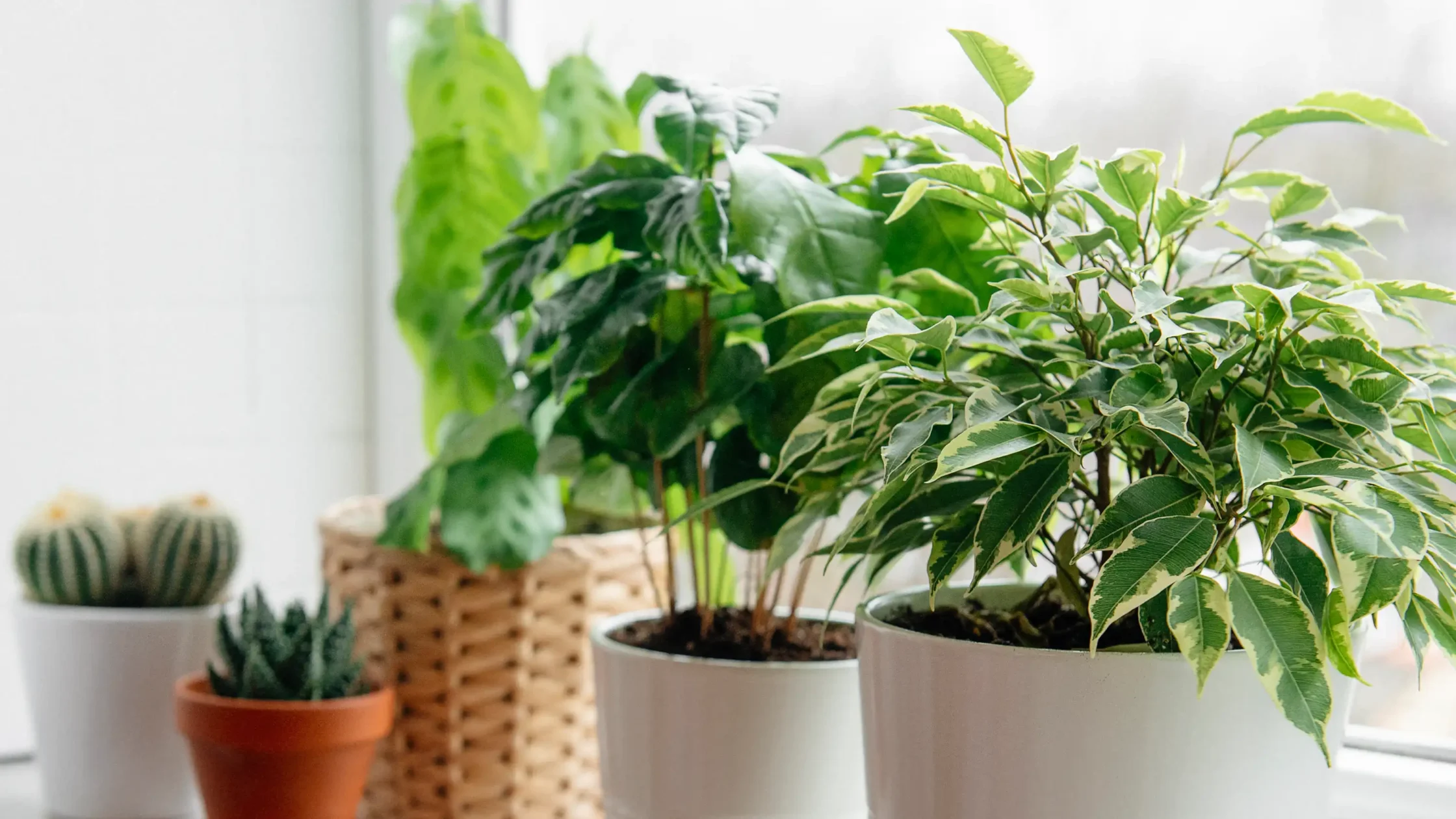
You don’t need a jungle. A few small choices go a long way:
- Pick the right spot. Put a low-maintenance plant where you spend the most time, such as a desk, a bedside table, or a living room shelf.
- Choose plants you love to look at. Color and shape matter, and green and purple foliage have been linked to reduced anxiety and anger.
- Build a ritual. A set “Monday watering” creates a calm, predictable habit, and anyone in the house can take it over.
- Start small. A shelf with two or three pots can change how a room feels.
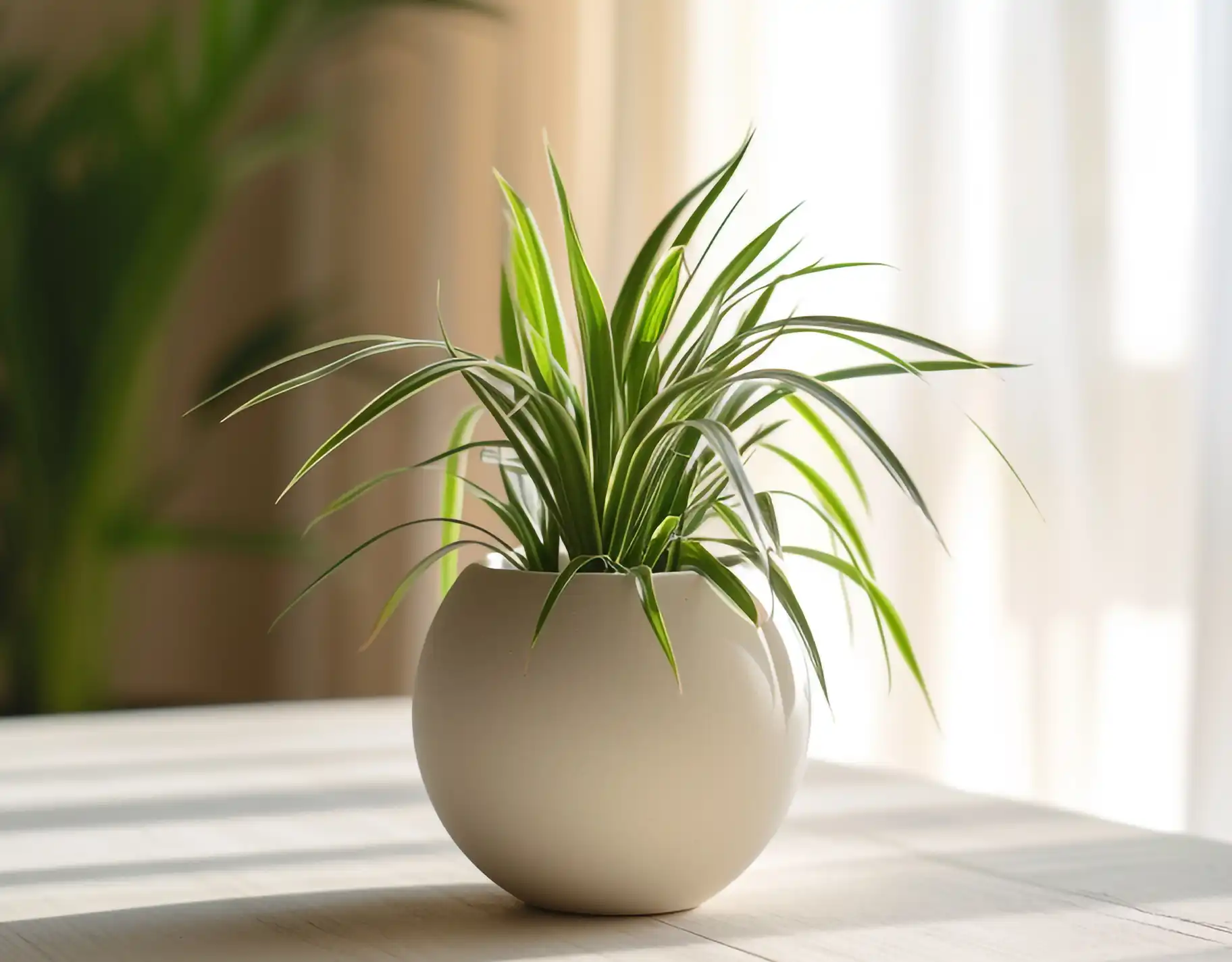
Which Pet-Safe Houseplants Are Worth Buying?
Check every plant before it comes home. Experts list sago palm and Easter lily as highly toxic to pets. Even non-toxic plants can cause mild stomach upset if chewed, so keep an eye on curious paws and mouths.
These pet-safe houseplants are widely available and are listed as non-toxic to cats and dogs:
- Spider plant
- Boston fern
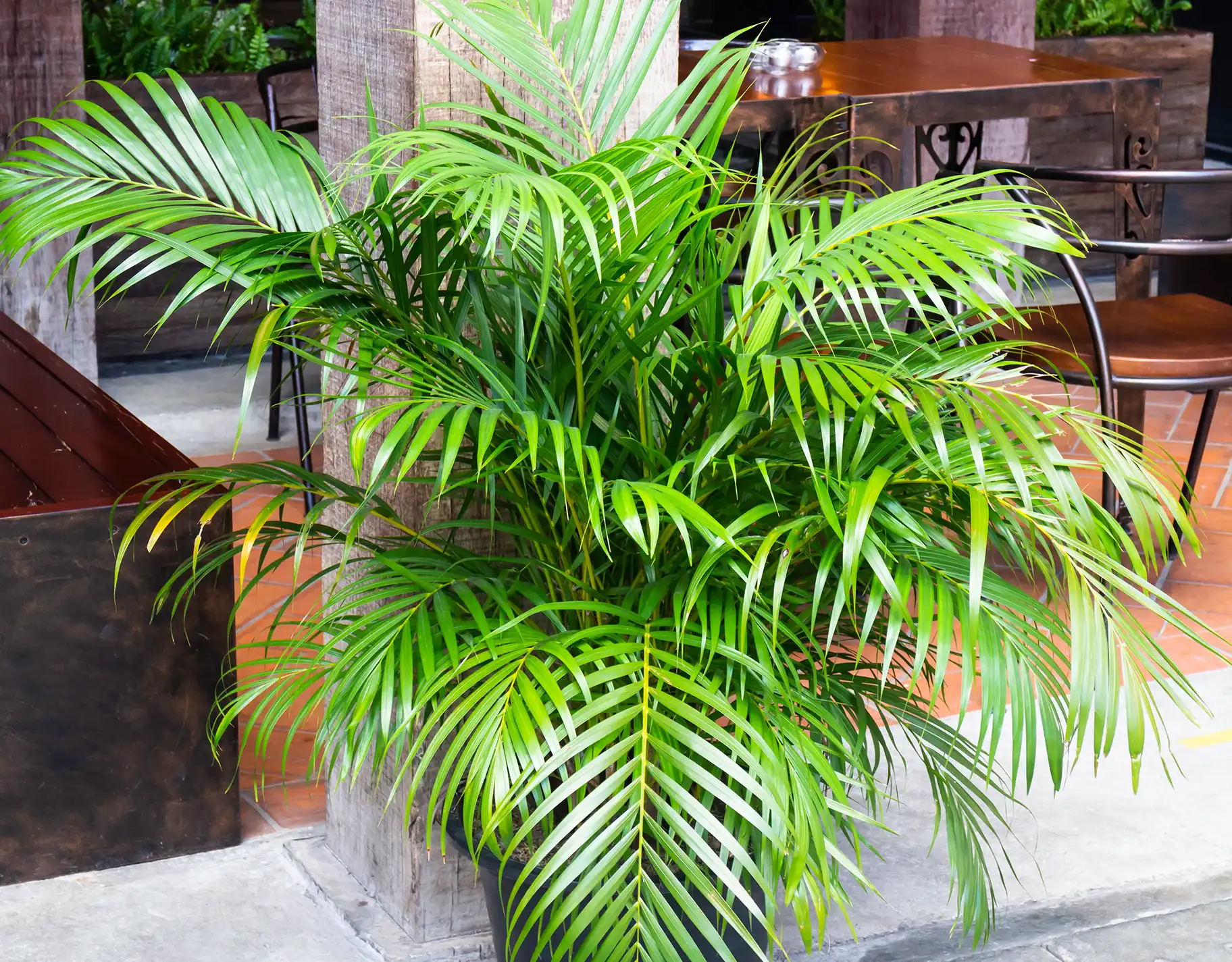
- Parlor palm
- Areca palm
- African violet
- Peperomia (baby rubber plant)
- Ponytail palm
- Calatheas, including prayer, peacock, and rattlesnake plants
Before you place any new purchase within pet reach, confirm if these plants are indeed toxic or not for them.
Ready to Bring Home a Plant or Two?
So go ahead and get that houseplant or two. Pick something you enjoy looking at, is safe for the furry family member that lives with you, and choose a watering day that fits your week. Whether you call yourself a plantito or plantita or just want a calmer corner of the house, a little green can make ordinary days feel lighter. Start with one pot and see how it feels.
Frequently Asked Questions
Research suggests they can. Studies link indoor plants with lower stress, fewer depressive symptoms, and less anxiety. An analysis of 50 studies found that increased happiness was the strongest benefit.
Studies don’t set a magic number. In one pandemic-era study, people with three or more pots had lower odds of moderate to severe anxiety than people with none. A shelf with two or three pots can also change how a room feels.
The ASPCA lists spider plant, Boston fern, parlor palm, Areca palm, African violet, peperomia, ponytail palm, and calatheas as non-toxic to cats and dogs. Confirm each new plant on the ASPCA’s list before you buy.
Yes. The ASPCA warns that sago palm and Easter lily are highly toxic to pets, so keep both out of homes with cats or dogs. Even non-toxic plants can cause mild stomach upset if chewed, so supervision still matters.
It may. Green and purple foliage have been linked to reduced anxiety and anger, so choose plants you enjoy looking at.
You May Also Like
Lucky Color Green: 5 Feng Shui-Friendly House Plants
Best Natural Ways to Improve Air Quality in Your City Home
The Best Places to Put Indoor Plants in Small Spaces