Why a Parent’s Touch Helps Babies Feel Safe



A parent’s touch, the haplos many Filipino families grew up with, is now backed by research. Here is how it works at home, plus what moms learned about baby skin care
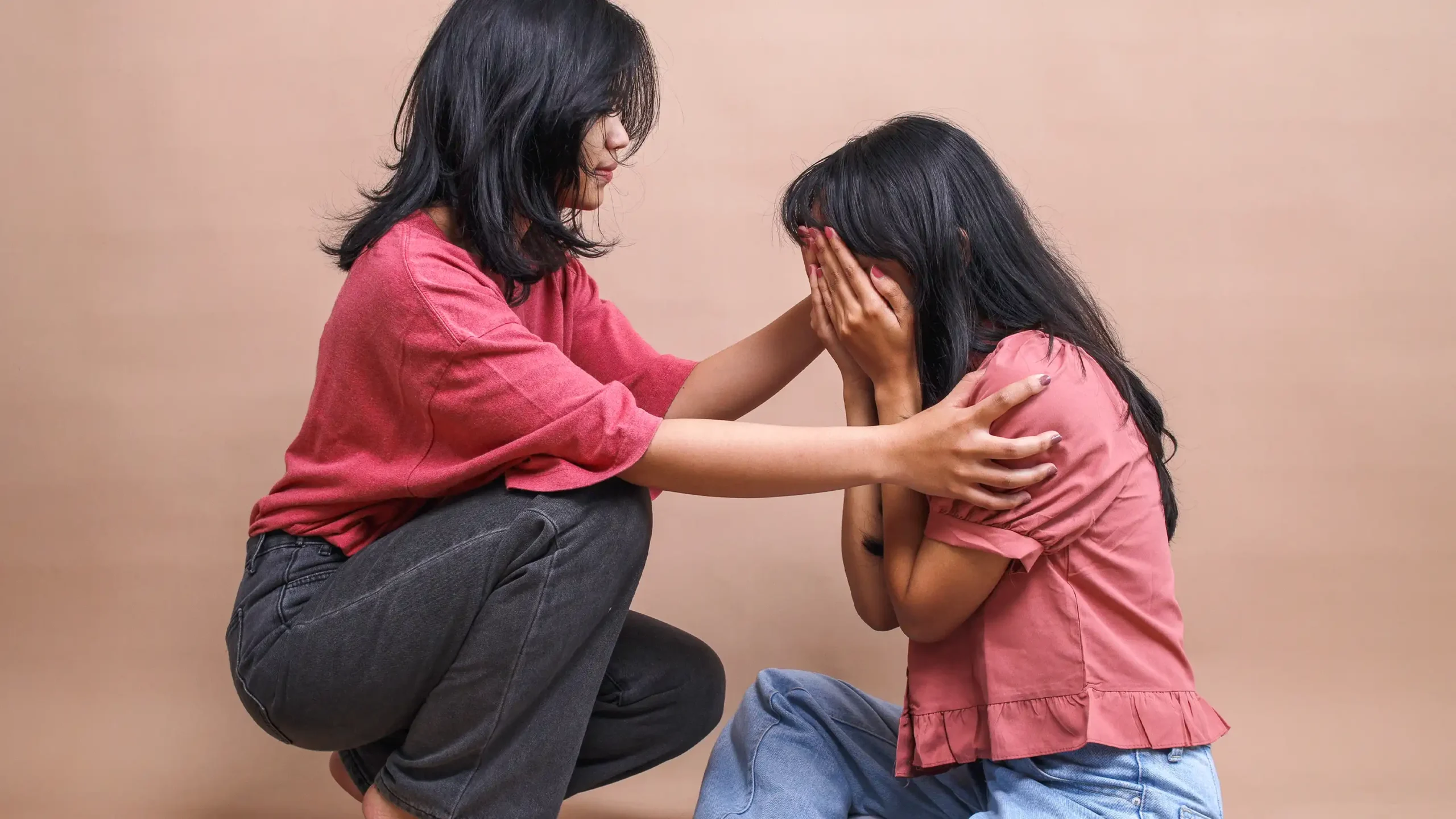
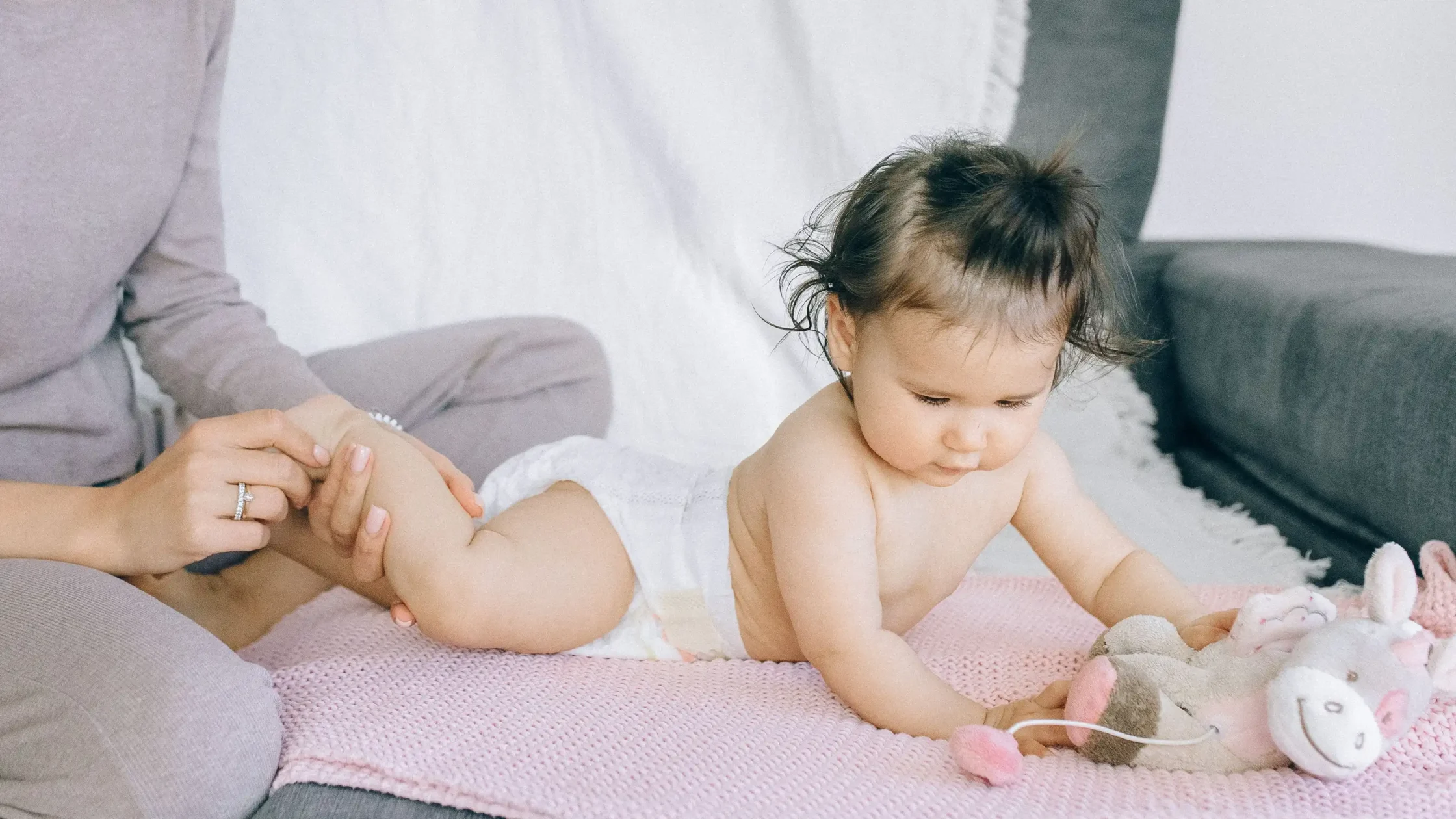
Haplos is a familiar part of Filipino family life: a gentle caress, a hand on the back, or a baby’s massage after a bath. Studies now support what many parents already do by instinct. A parent’s touch, when it is gentle and responsive to the baby, can help infants feel secure. It also gives parents an easy way to bond with them.
What Is Haplos, and Why Does Touch Matter?
Haplos covers the small, everyday gestures of care, such as a hand on the back, a stroke along the arm, or a slow massage after bath time. The World Health Organization lists immediate, continuous skin-to-skin contact and kangaroo mother care among essential newborn-care practices. It treats close physical contact as part of responsive caregiving and early childhood development.
What Does Research Say About Baby Massage?
A 2025 randomized controlled trial followed mothers who were trained in infant massage. Months later, they were still doing it. Babies whose mothers massaged them more than once a week had higher attachment-security scores at 12 months. In plain terms, regular, gentle touch helped infants feel safer and more connected to their caregiver.
Other studies point the same way. A 2024 systematic review looked at massage therapy in infants and children under 5, across physical and developmental outcomes. It describes massage as a low-cost, non-drug complement to routineRoutineA predictable daily rhythm for waking, meals, school, play, and sleep. Routines give children a sense of security, reduce power struggles, and make busy mornings smoother, while some flexibility keeps care. Another recent randomized trial found that massage supported babies’ growth, along with stronger mother-baby attachment and greater maternal confidence.
Caregivers benefit, too. A Philippine study surveyed mothers and caregivers of infants aged 2 to 6 months in Quezon City. Participants viewed infant massage positively and linked it to their baby’s physical development and bondingBondingThe emotional connection that forms between parent and child through touch, eye contact, voice, and responsive care. Skin-to-skin time, feeding, and simply talking to a baby all strengthen it, and. After training, they also felt more confident handling and massaging their babies.
How Can Parents Make Haplos a Daily Habit?
Haplos needs no special equipment and no long sessions. Consistency, gentleness, and attention to your child’s cues matter most.
- Start with warm hands and a calm, quiet moment, such as after a bath, before bedtime, or during cuddle time.
- Use slow, light strokes on the arms, legs, back, or tummy. Pause if your baby stiffens, fusses, or turns away.
- Add eye contact, a soft voice, or a familiar song. Early childhood resources note that responsive interaction helps children feel seen and valued.
- For newborns and premature babies, follow your pediatrician’s guidance, especially if your child has a medical condition, a skin problem, or a recent vaccination site.
Haplos does not replace sleep, nutritionNutritionThe process of obtaining and using nutrients from food to support growth, energy, overall health, and proper body function., medical care, or safety. As a daily routineRoutineA predictable daily rhythm for waking, meals, school, play, and sleep. Routines give children a sense of security, reduce power struggles, and make busy mornings smoother, while some flexibility keeps, it helps children feel held, heard, and loved.
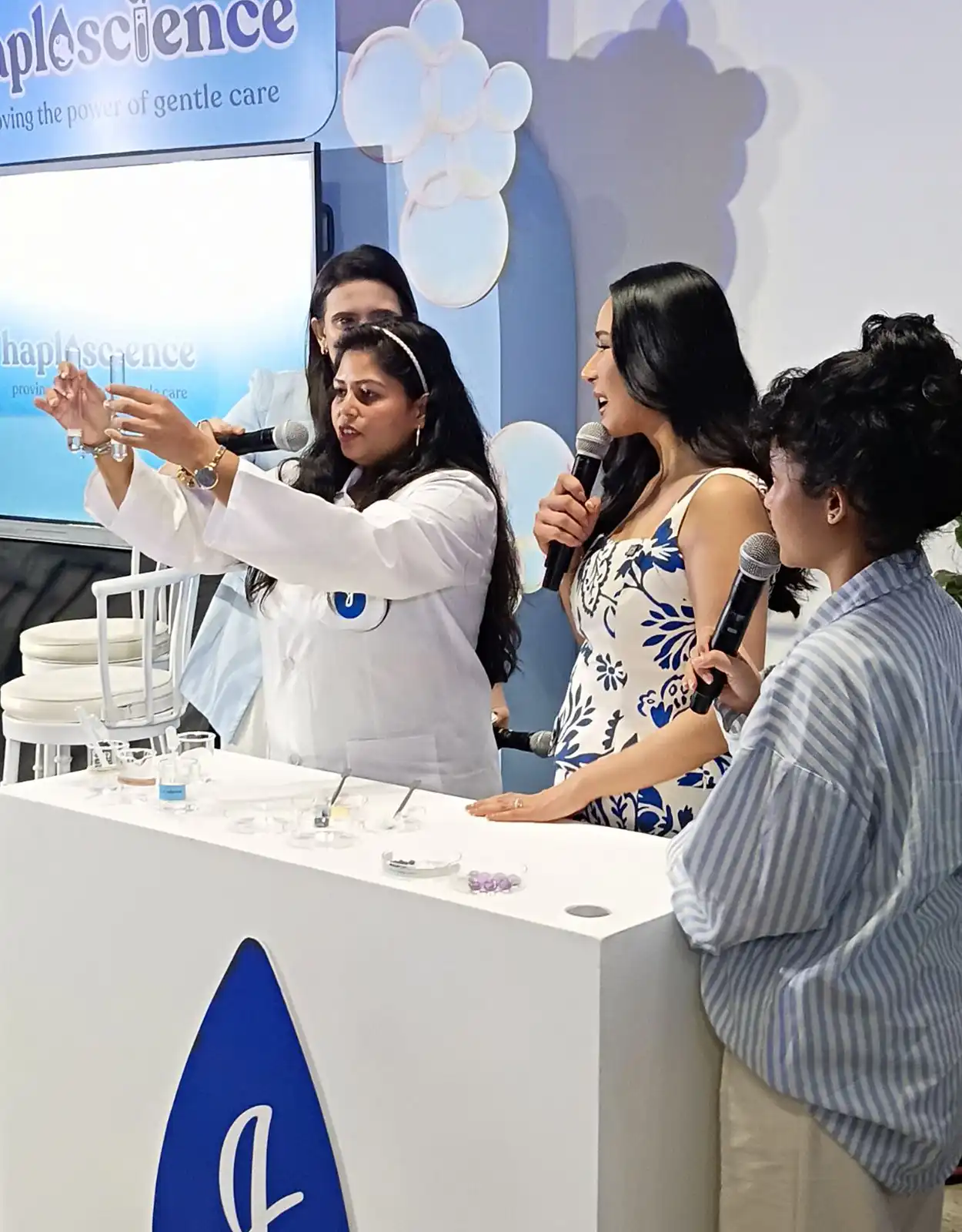
What Did Moms Learn About Baby Skin Care?
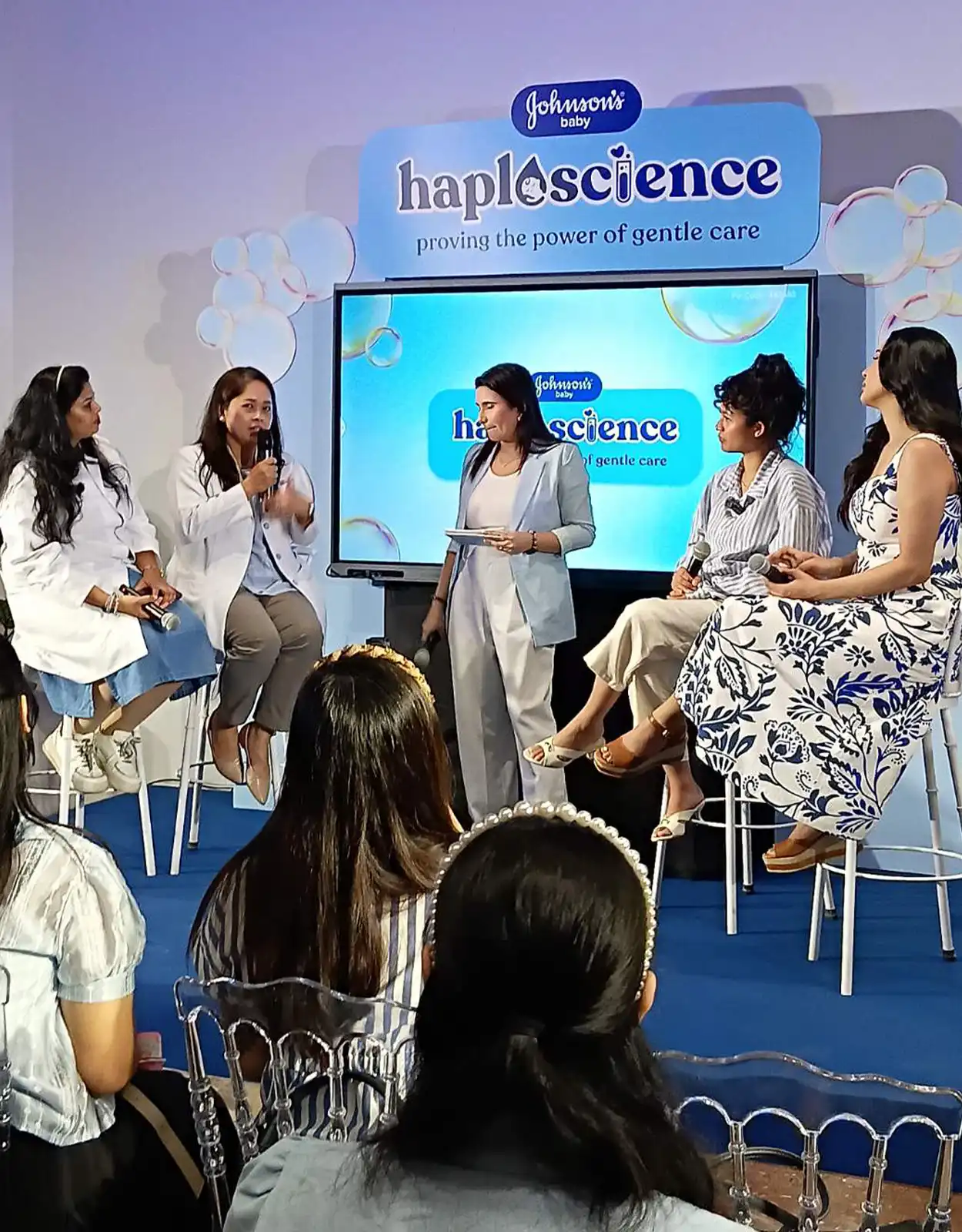
At the Johnson’s Baby event on October 9, moms and experts discussed everyday baby care, including busting a common myth: the family soap is suitable for everyone, babies included. It’s not — a baby’s skin is more delicate and needs more protection and hydration.
The brand also introduced a new formulation of its Johnson’s Baby Milk+Rice Bath & Lotion regimen, which it says provides 72-hour hydration. The formula contains milk proteins, rice extracts, and vitamin B5, and it is now enriched with aloe vera. As with any new product, check the label first, and ask your pediatricianPediatricianA doctor who specializes in the health of babies, children, and teens. Regular visits for checkups, growth tracking, and vaccines give parents a trusted guide, and a good pediatrician listens if your baby has a skin condition.
We also caught up with beauty queen Samantha Bernardo, who is one of the brand’s ambassadors along with content creator Lottie Bie. For Samantha, becoming a mom changed how she shops, she said. “I think I became more particular to everything, when it comes to ingredients, the safety, and most importantly, I became like an expert at things.”
She added that the products she chooses have to align with her core. She also hopes parents continue to nurture their babies through the care that is passed down across generations, as she herself has experienced.
What Is the Takeaway for Parents?
Haplos asks very little of a parent: a few quiet minutes, warm hands, and attention to how your baby responds. The research suggests those minutes can add up, both for a baby’s sense of security and for a parent’s confidence.
Pair the routineRoutineA predictable daily rhythm for waking, meals, school, play, and sleep. Routines give children a sense of security, reduce power struggles, and make busy mornings smoother, while some flexibility keeps with skin care suited to a baby’s delicate skin, and bring your questions to your pediatricianPediatricianA doctor who specializes in the health of babies, children, and teens. Regular visits for checkups, growth tracking, and vaccines give parents a trusted guide, and a good pediatrician listens whenever you are unsure. Many of us already know this kind of care because someone gave it to us first. Passing it on can start tonight, right after bath time.
Frequently Asked Questions
Haplos is the Filipino word for a gentle, soothing touch, such as a hand on a child’s back or a massage after a bath.
It can. In a 2025 randomized controlled trial, babies massaged by trained mothers more than once a week had higher attachment-security scores at 12 months.
After a bath, before bedtime, or during cuddle time, when the room is calm and quiet.
Look for stiffening, fussing, or turning away. Pause and try again later.
Follow your pediatrician’s guidance, especially with a medical condition, a skin problem, or a recent vaccination site.
No, according to experts. A baby’s skin is more delicate and needs more protection and hydration.
On motherhood
Dear Moms, You’re Not Wrong To Want More
One mom’s breastfeeding story: a tribute to boobs
A Love Letter To Parents With College Freshmen