Thinking of Therapy? How About the Furry and Four-Legged Kind?


How animal-assisted therapy is taking root in the Philippines, one calm, trained dog at a time
“Therapy” usually brings to mind a quiet room and a licensed professional. For a growing number of programs, healing starts elsewhere: a wagging tail and a calm dog sitting close by.
That is the idea behind animal-assisted therapy. A trained animal joins a person’s treatment to support physical, social, emotional, or cognitive health. The American Veterinary Medical Association (AVMA) says programs need trained staff, clear goals, and safeguards for people and animals.
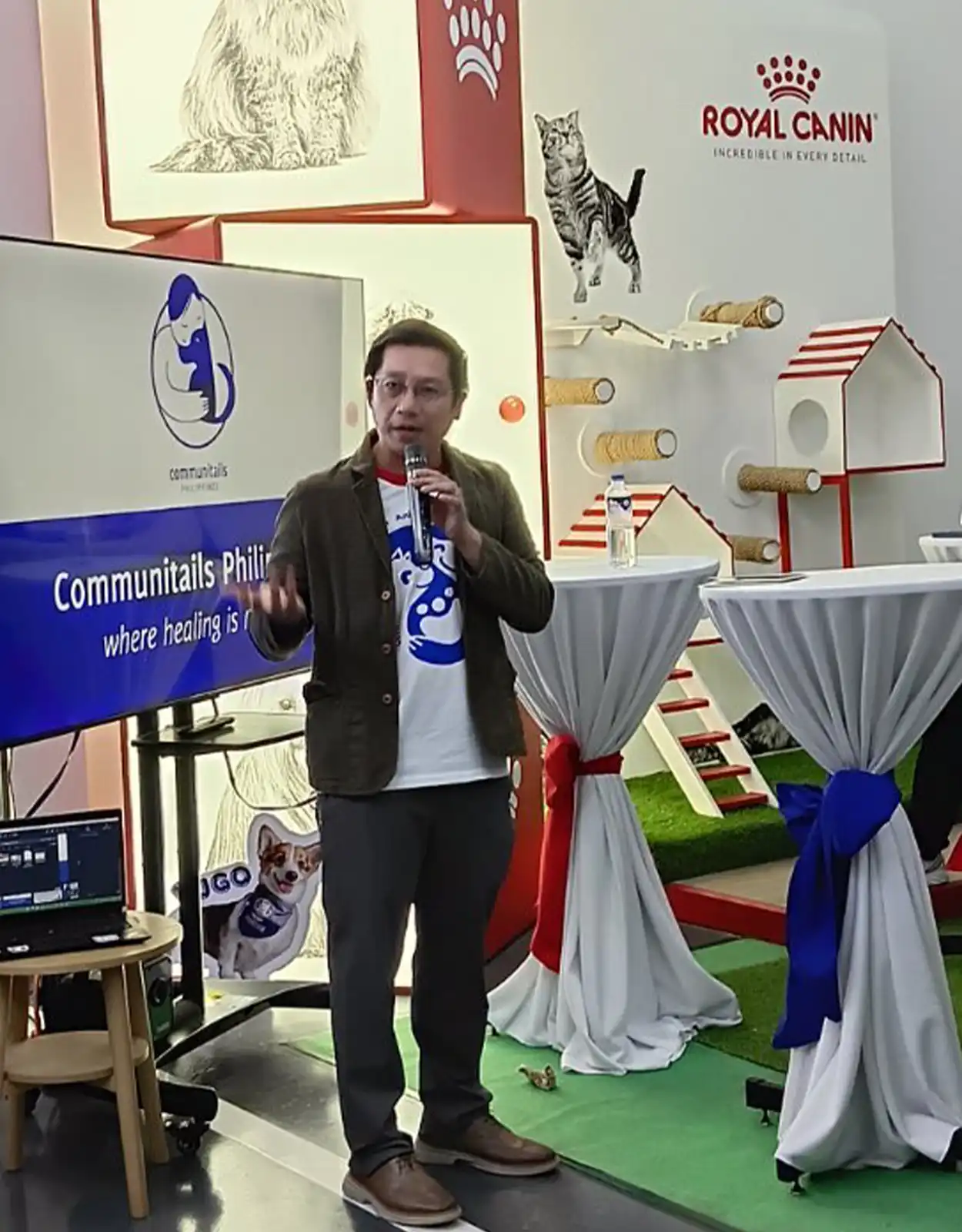
In the Philippines, Brave Tails, a pioneering animal-assisted services program, is putting that idea to work. The Philippine Human-Animal Bond Institute (PHABI), behind Communitails, runs the program. A Royal Canin Foundation grant now supports its work with trauma survivors and their care providers, a first for a Philippine and Southeast Asian initiative.
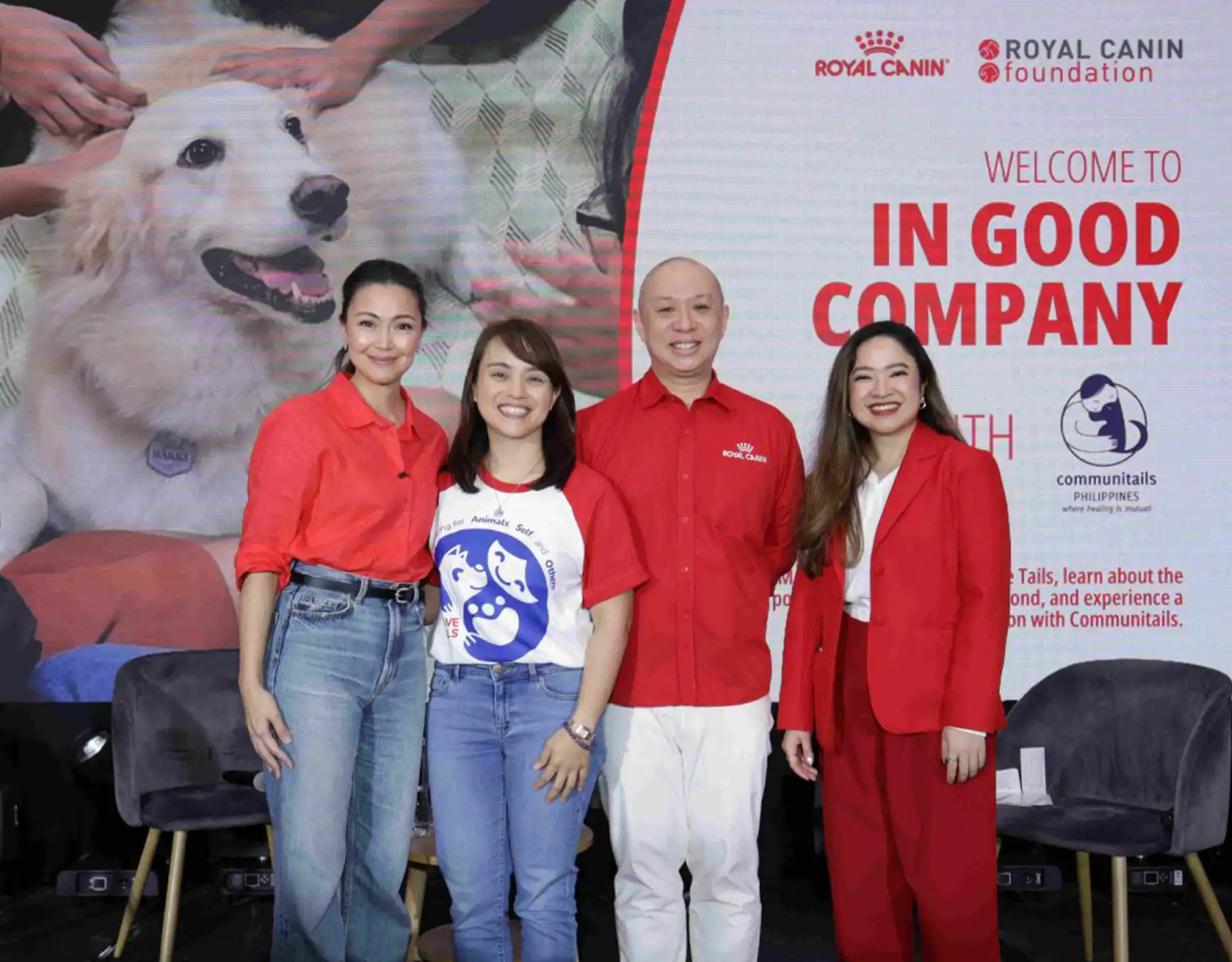
Gerard Poa – Country Head, Royal Canin Philippines; Tarzie Rochsuvichkulchai – Corporate Communications Manager, Royal Canin SEA Cluster | Royal Canin
What This Kind of Therapy Looks Like
Trained teams pair therapy animals with qualified professionals and work toward defined goals under safety rules.
“What we’re building through Brave Tails is not simply a series of interactions between people and dogs,” says Dr. Ginger Ramirez, PHABI co-founder. “It’s a structured, trauma-informed approach designed around trained Human Animal Teams, participant safety, informed consent, and animal welfare.”
The research is promising but young. A 2024 review of 16 studies found benefits for depression, stress, and anxiety. A 2025 review reported good results when the therapy is paired with psychotherapy. Researchers still want more standardized studies. Therapy dogs support care. They do not replace it
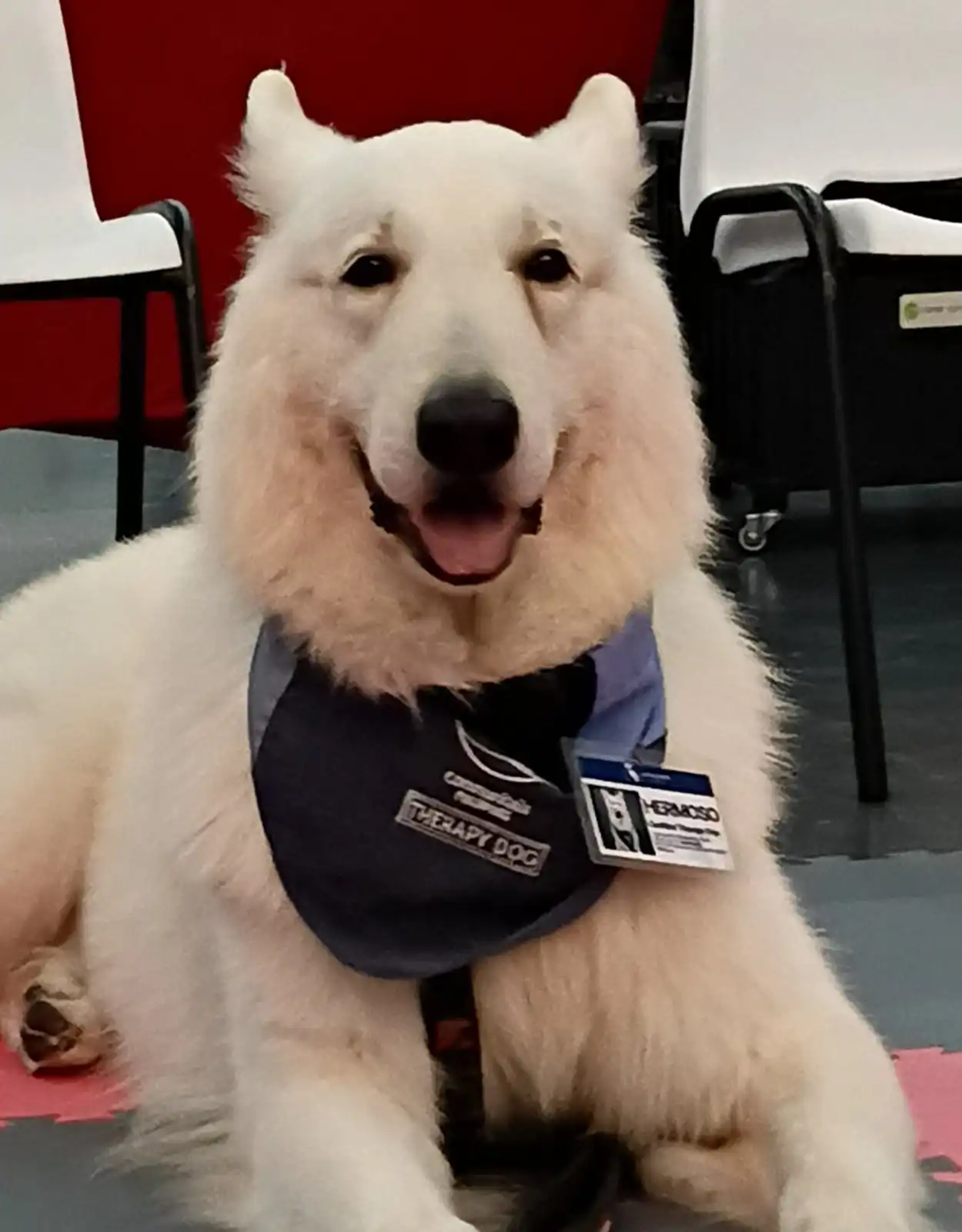
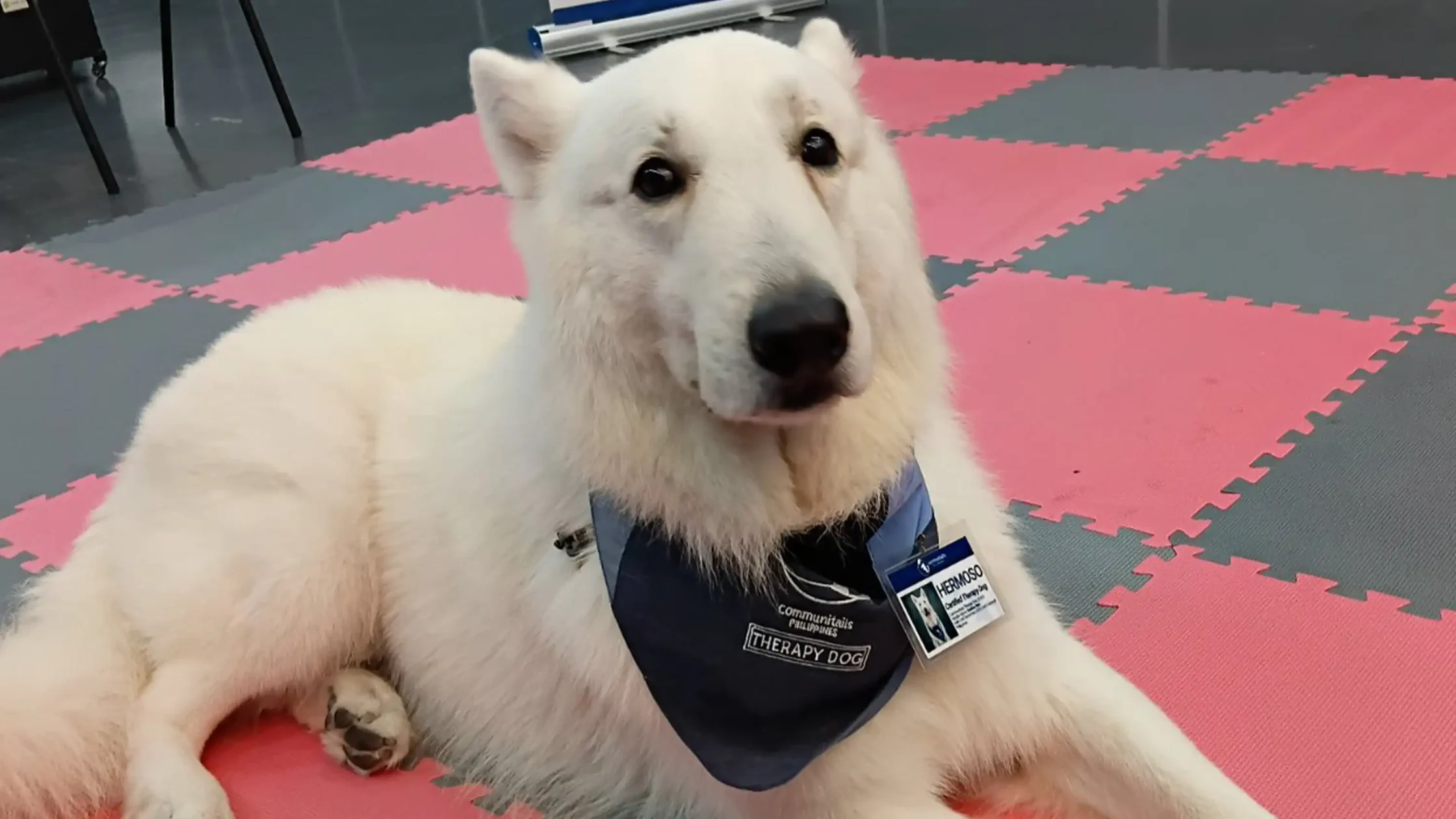
He has been a therapy dog since 2023.
Which Dogs Make the Cut
Temperament comes first, PHABI said at the October 19 media roundtable. A dog must love people, all people, not just its owner. It should be calm, communicate well, and stay low-reactive.
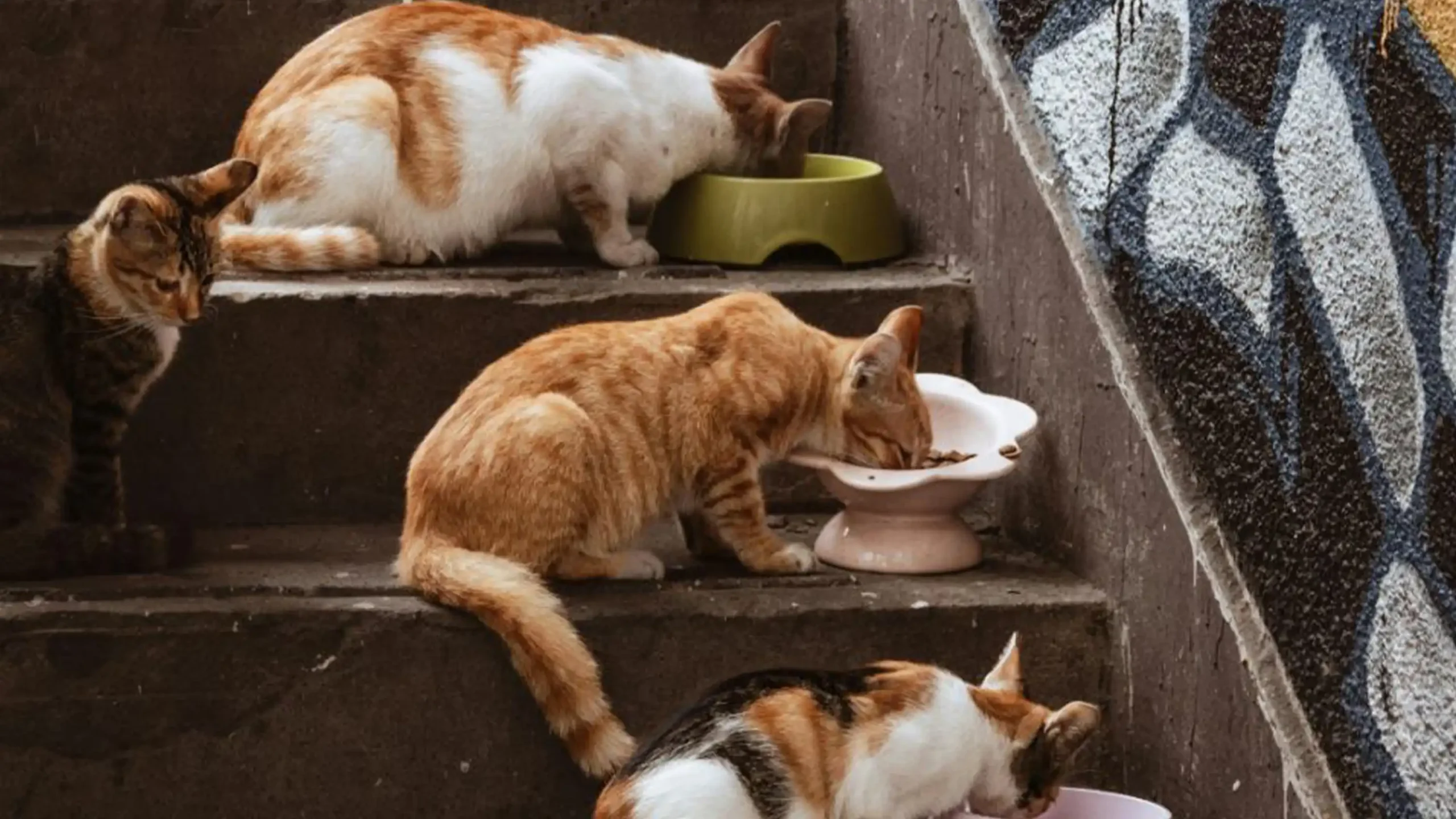
Breed does not matter. Each dog is screened on its own, and the dog and handler are assessed as a team. Standards focus on controllability, predictability, and reliability. That is why the Philippines uses only dogs for now. Cats are less predictable.
Attendees also spent time with three therapy dogs: Hermoso, Phoebe, and Rakki. I got to meet Hermoso and hang out with him.
How People Join In
The entry point is a Fundamentals of Animal Assisted Services training. Next comes screening and a practice simulation. Not everyone passes. Those who do shadow an experienced team first.
PHABI holds two to four trainings a year, with one in November. No dog? Volunteers can join as stewards and help run sessions.
Where Kids Come In
Schools often invite the team, usually through guidance offices, from grade school to college. One grade school assembly turned into a screaming, excited parade. When the school invited the team back, they asked students to use indoor voices. Loud crowds can stress a dog, so each visit includes a lesson on how to treat one.
Royal Canin has also developed a children’s story about responsibility and empathy. The book ‘Welcome Home, Rocky & Charlie!‘ teaches kids what to consider before getting a pet.
The Dogs Come First
The dogs know when its work time. A designated bandana or leash tells them they are working, not heading to the mall. Sessions run an hour or two, and the dogs go home sleepy but happy.
Experts call for a responsible person to oversee each animal’s welfare, with veterinarians involved from the start.
What Comes Next
PHABI will track stress levels, well-being scores, and animal well-being. Brave Tails was the only Asian project in the foundation’s global vote.
“Brave Tails brings together expert implementation, responsible animal welfare, and strong community partnerships in a way that reflects what the Royal Canin Foundation hopes to support around the world,” says Gerard Poa, Royal Canin Philippines country head. “We’re proud to help enable work that benefits people while ensuring the well-being of pets remains at the center.”
The Paper Project, Inc., PHABI’s partner on Brave Tails, works with communities affected by trauma and adversity. Co-founder Atty. Lawrence Aritao says support must be grounded in the realities of the people it serves. “The people and communities we work with come with different experiences, needs, and levels of comfort,” Aritao says. “That’s why support needs to be grounded in safety, consent, choice, and appropriate preparation.”
It is not magic, and it is not for every person or every dog. But done with science, consent, and care for the animals, it may offer a gentler way to begin healing.
Frequently Asked Questions
It is a goal-directed treatment in which a trained animal supports a person’s physical, social, emotional, or cognitive health, guided by professionals.
No. Breed does not matter, but temperament does. The dog must love people, stay calm, and pass screening with its handler.
No. They complement professional care rather than replace it.
You May Also Like
Pet Wellness Is the New Parenting Trend—and Filipino Fur Parents Are Embracing It
What If Your Child’s First Best Friend Had Four Legs?
Pals for a Lifetime: Tips for Raising and Caring for Senior Pets