Your Next Cup of Coffee May Come From These Local Farmers


Philippine coffee is reaching more cups, and a new roasting plant in Canlubang is helping the farmers behind it
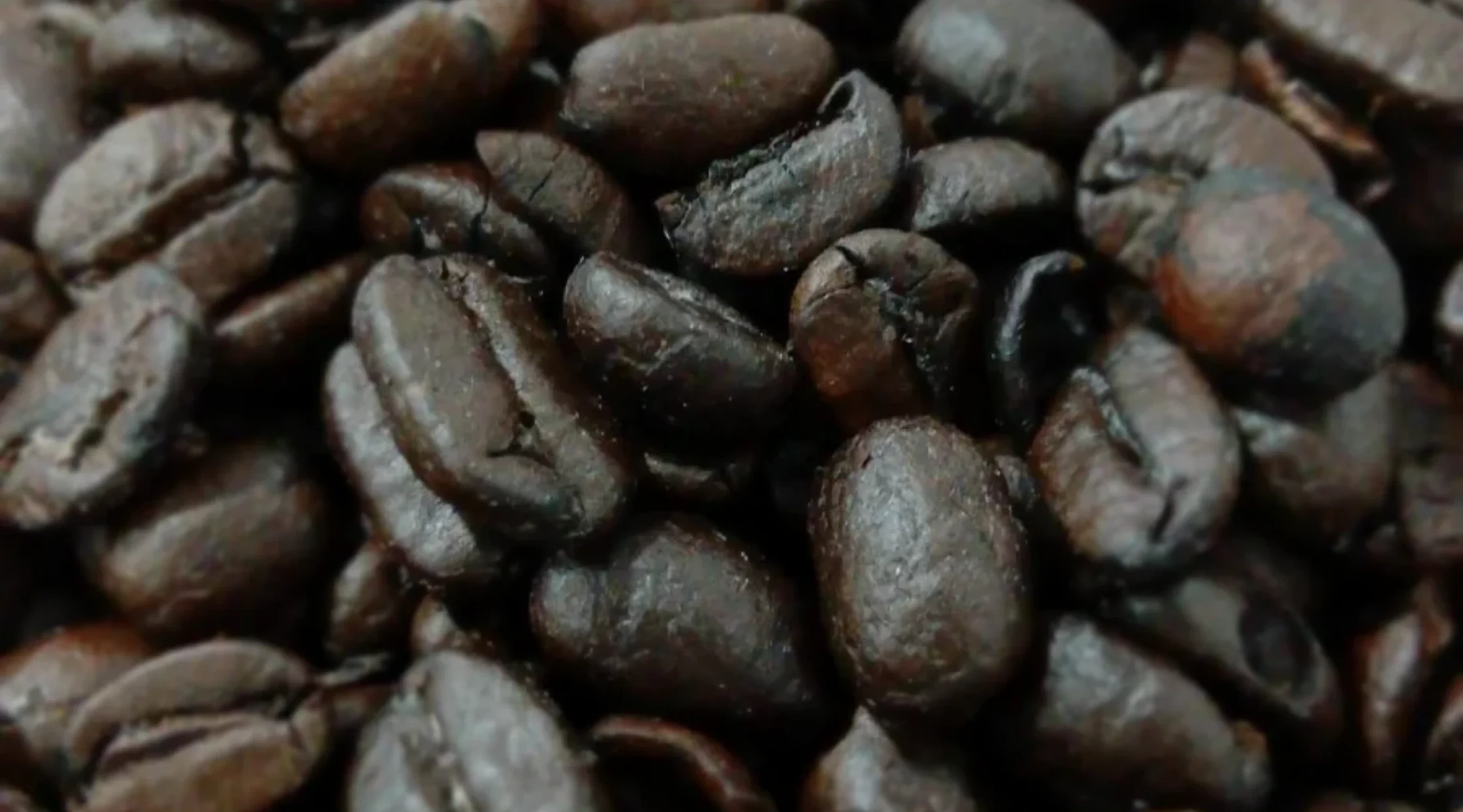
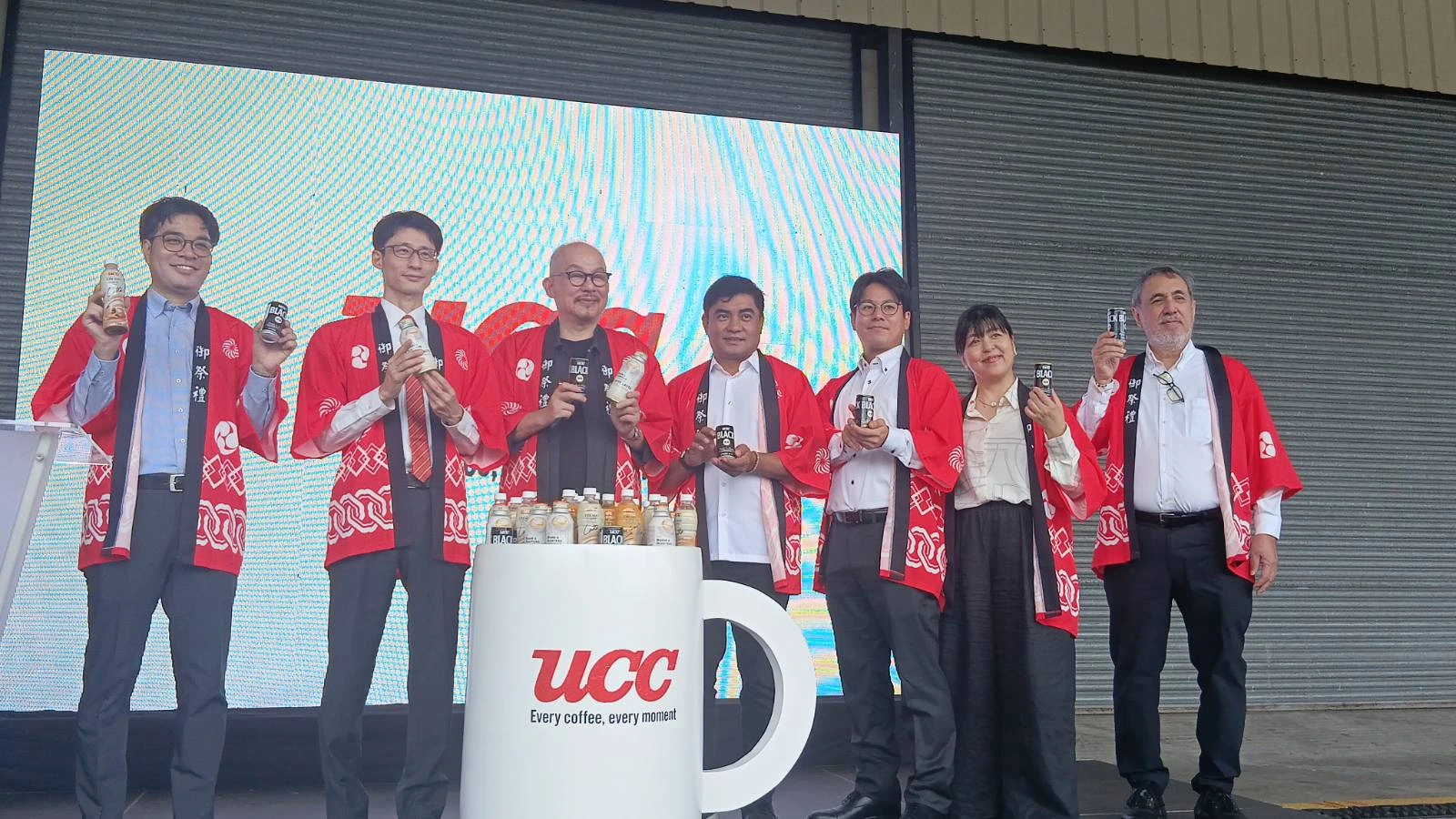
In the highlands of Kayapa, Nueva Vizcaya, and the farming communities of Amadeo, Cavite, farmers are growing and harvesting the coffee that may land in your next cup. Last November 20, UCC Ueshima Coffee Philippines, Inc. formally opened its new roasting plant in Canlubang, Laguna. The opening makes the path from farm to café easier to see and puts Philippine coffee, and the people who grow it, in plain view.
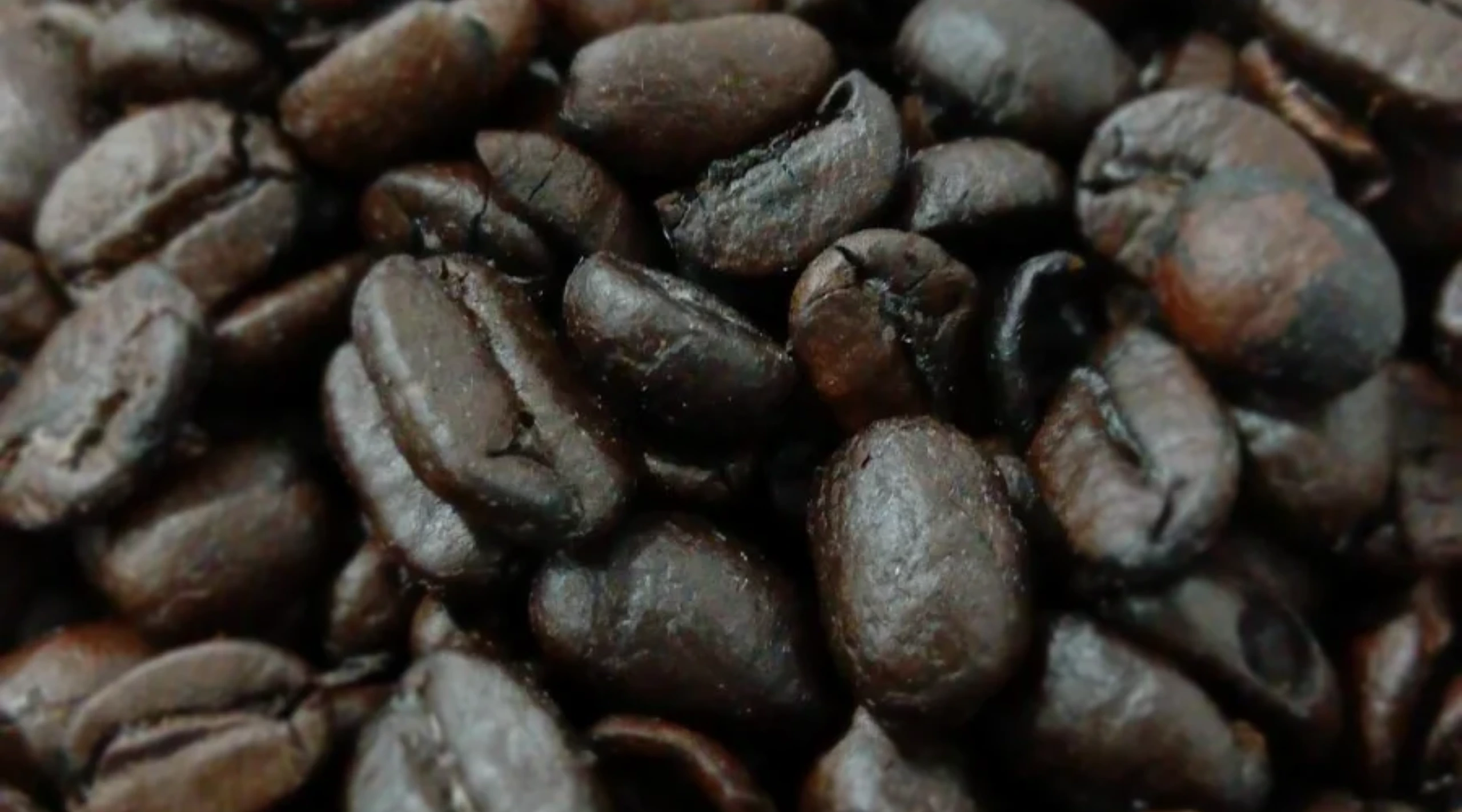
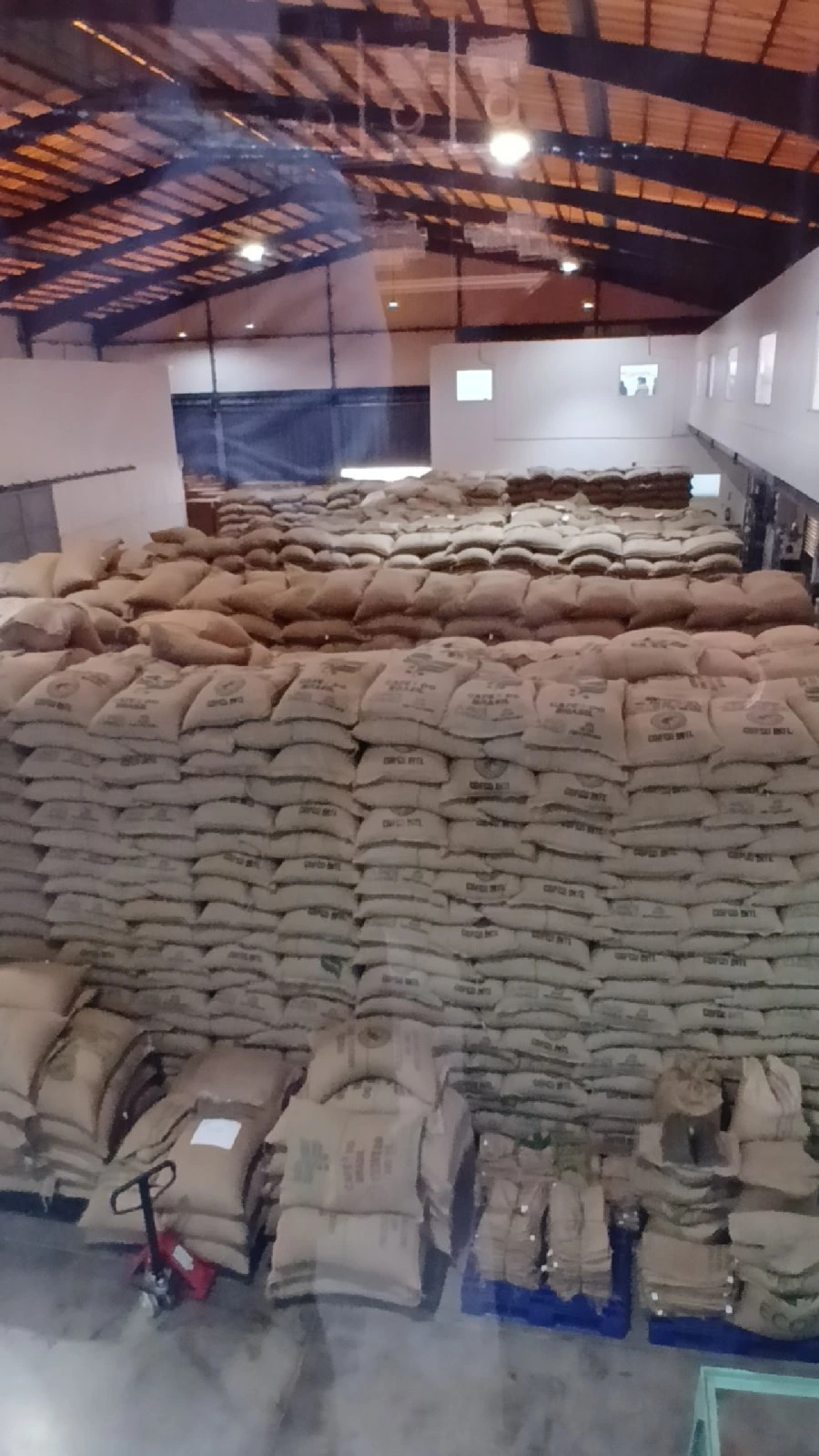
Inside the Canlubang Roasting Plant
Guests toured the facility and learned how green coffee beans arrive, get processed and roasted, then ship out to cafés, retailers, and homes. The plant adds production capacity, but it also gives Filipino farmers a direct line to the country’s growing coffee culture.
How the DA’s 4K Program Supports Coffee Farmers
UCC’s work with local producers draws on the Department of Agriculture’s Kabuhayan at Kaunlaran ng Kababayang Katutubo (4K) Program. The program helps Indigenous Peoples farmers and fisherfolk within their ancestral domains through livelihood opportunities, capacity development, production support, enterprise development, and market assistance.
For coffee farmers, that support can mean more than equipment. It can mean a clearer path to buyers, better post-harvest practices, and a stronger place in a market that is remembering Philippine coffee for its character and origin.
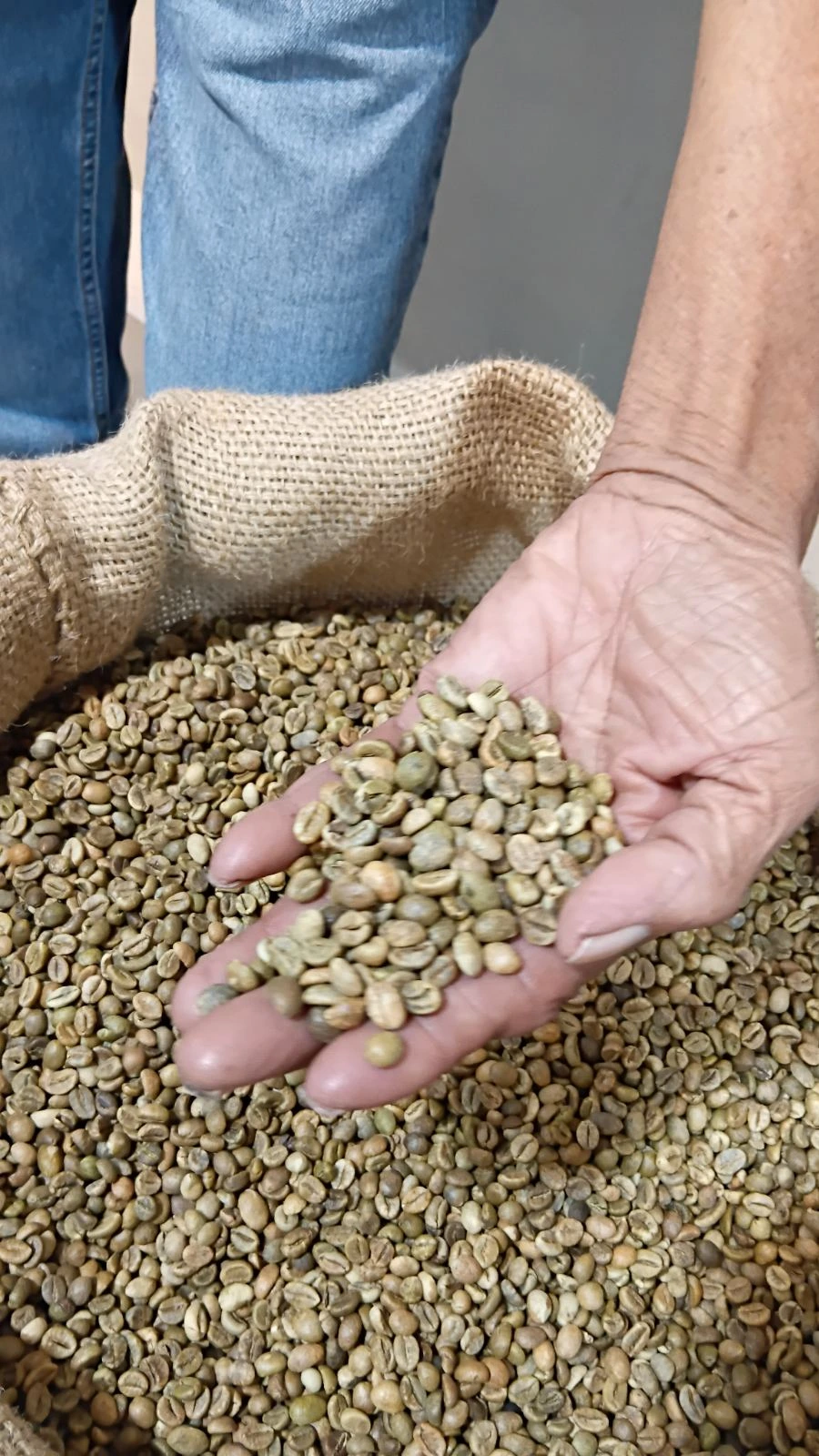
The farmers who joined us that day came from Amadeo, Cavite, and Kayapa, Nueva Vizcaya. Their coffee stories are different, but they share one hope: that the beans they carefully grow will reach more cups.
Nanay Raquel’s Story
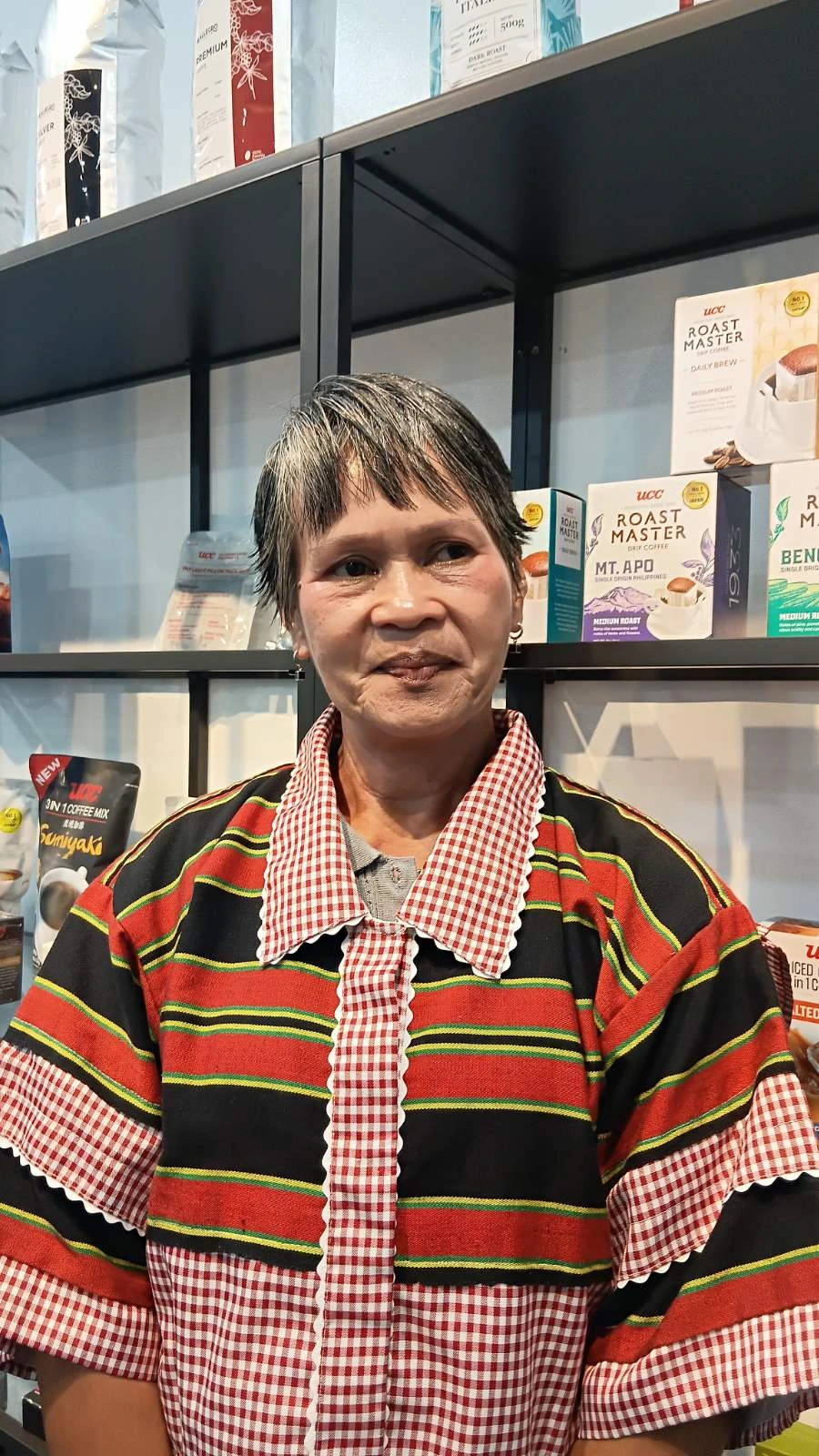
Raquel Guzman, an Indigenous Peoples coffee farmer from Kayapa, grows mostly Arabica. Her community began working with UCC in February. The biggest change, she said, is also the simplest: farmers no longer worry as much about who will buy their beans.
“It helps a lot,” she told us. “We know we now have a buyer. It helps our families. It [income] adds to our daily life.”
Coffee farming demands patience. Nanay Raquel shared they had to wait about three years after planting before the first harvest, so every season and every buyer relationship counts. In Kayapa, families and neighbors often run community farms, where coffee is both a shared source of income and pride.
Her message to coffee drinkers was direct: “Try our coffee. Our region’s coffee. Especially in Kayapa. It’s really amazing. It’s delicious.”
Coffee, Health, and Connection
For many healthy adults, moderate coffee drinking has been linked to benefits such as better mood, and in some groups, a lower risk of depression.
Coffee does something simpler, too. It gives people a reason to sit down together: the quick catch-up before work, the long talk after dinner, the weekend pot brewed for whoever is home. A shared cup can turn an ordinary day into a small moment of togetherness.
A cup of coffee passes through many hands before it reaches yours, from farms like those in Cavite and Nueva Vizcaya to roasteries like the one in Laguna, then to cafés and kitchens around the country.So the next time you order your usual latte or brew a pot at home, ask where the beans came from. The answer might lead back to a farmer like Nanay Raquel, whose harvest helps her family and community. Choosing locally grown coffee when you can is one small way to support families like hers.
Frequently Asked Questions
It’s the Department of Agriculture’s program for Indigenous Peoples farmers and fisherfolk within their ancestral domains. It offers livelihood opportunities, skills training, production support, business development, and help finding markets.
Coffee stories
Coffee Shops In Makati Working Parents Will Appreciate
5-Minute Coffee Recipes For On-the-Go Moms
6 Useful Tips For Building Coffee Bars for Small Spaces