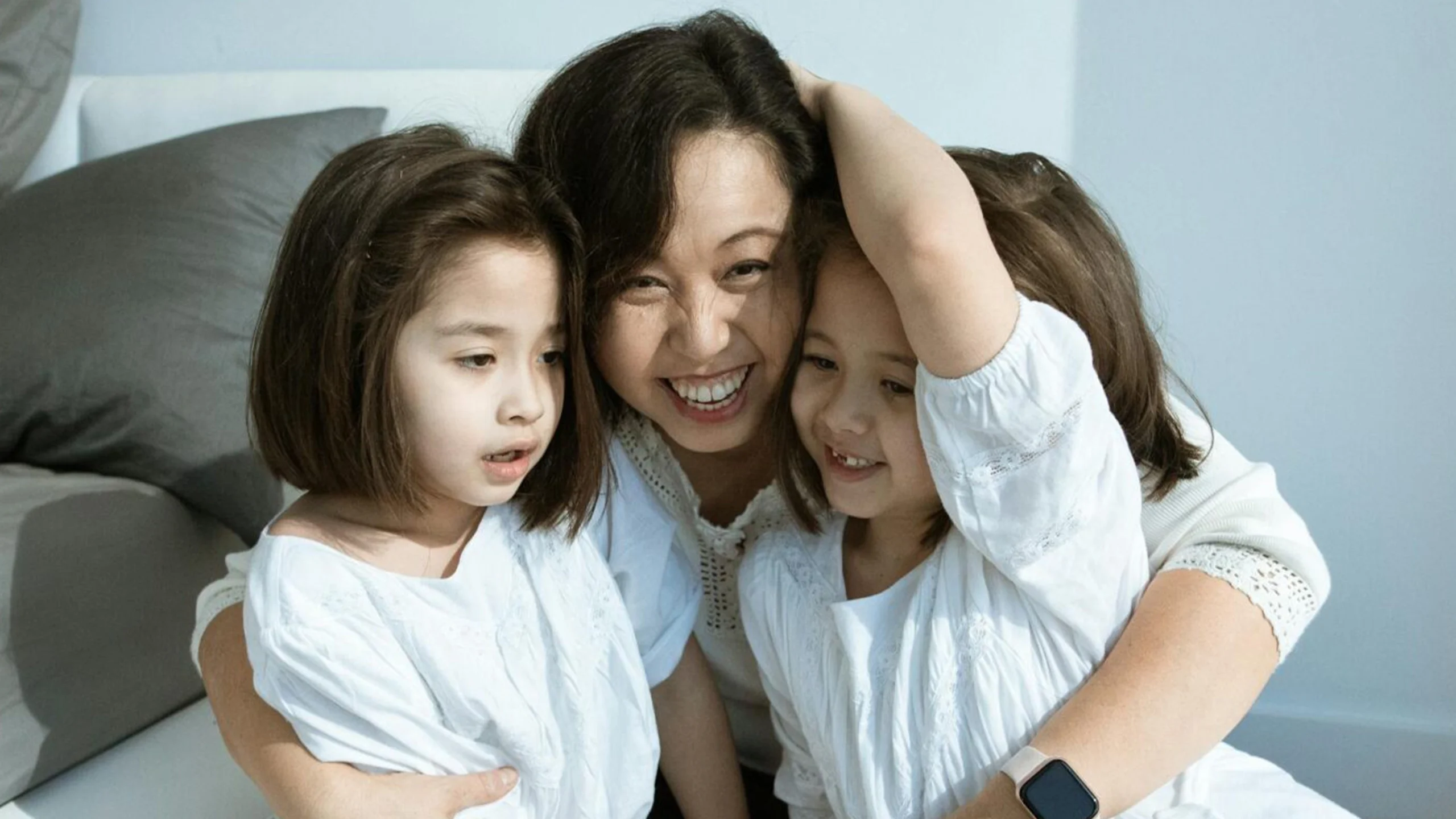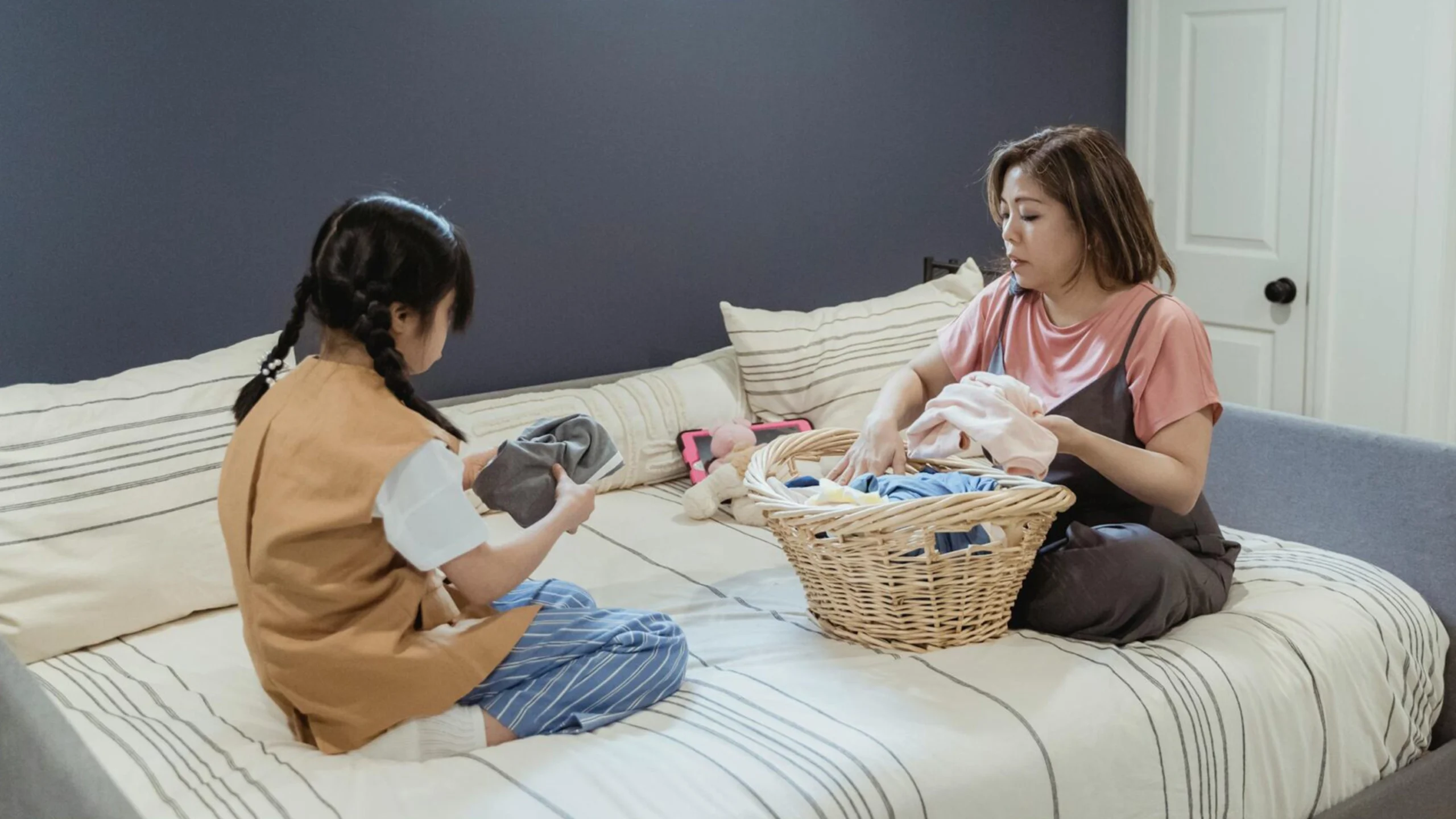
Dear Parents, Self-Love Isn’t Indulgence; It’s Regulation



An open letter to many parents who struggle with starting their self-love journey this February 2026
Dear Parents,
This letter is for you—the parent who swallows lukewarm, room-temperature coffee, finishes everyone else’s leftovers, and still apologizes for being tired.
Somewhere along the way, self-love got a bad reputation. It started sounding like spa days and solo staycations—luxuries that feel wildly out of reach when you’re juggling school drop-offs, deadlines, and a household that never truly sleeps. Unfortunately, here in the Philippines, we’re so hooked onto the “pamilya mo yan” saying that anything that prioritizes us only feels criminal.
But honestly? There’s nothing wrong with spoiling ourselves a little. A bit of chocolate here and there, an extra glass of wine (provided you’re not driving), or just finally buying that bag, pair of shoes, or that model kit you’ve left in your online cart since last month’s sale.

Why Self-Love Feels So Criminal in PH Families
For a culture that thrives heavily through support, acts of self-love in the Philippines can feel like you’re giving yourself a “HIT” at the NBI.
Going to a theater alone to watch a movie you love? Weird.
Eating by yourself at a buffet because you’re just that hungry? So unheard of!
Going on that solo trip to your dream country because you finally saved up enough? Crazy!
Why? It’s because of two words: tiyaga and tiis.
Tiis, meaning “endurance,” is the core of every Filipino romantic underdog story. We are the ones who don’t know when to quit. It’s why we have success stories on the global stage. We don’t easily recognize the metaphorical glass ceiling that says, “Okay, let’s stop first.”
Tiyaga, meaning “effort,” is what Filipinos believe will pay off in the end. It’s our currency for success. No matter the odds, we always remind ourselves, “laban pa rin.” The funny part is—we don’t fight because of the thrill of conflict and engagement. The muse to fight is usually in other people—our families.
Especially when we get older, hindsight and awareness play a big role in that guilt. The sacrifices. Fights born from struggling with financial juggling. Mental loads shifting here and there. People telling everyone here and there how to parent. Let’s be honest, that’s only the tip of the iceberg that we’re carrying.
Where Do People Expect Parents To Find Joy And Self-Love Then?
Some Filipino parents will argue that they have found self-love and joy in the fruits of their sacrifice. They’ve rationalized, “So long as my kids and family are happy, I’m happy. I am loved.”
The thing is—we know not every sacrifice pays off. Some will even cost more than they should. Dodging hospital visits just because it’ll mess up the financial juggling can lead to permanent damage. Tailoring diets to make sure the kids get the “healthier” portion of the meal leads to lifelong conditions.
That’s why: don’t expect old-school parents to understand today’s parents’ willingness and openness in spoiling themselves. They lived in a time when sacrifices had to be made. Times were not as good. Technology couldn’t do much. Very, “my way or the highway.”
But today, we have more than enough tools to make these sacrifices minimal.
And we’d be fools not to properly use them.

Our Journey to Self-Love is Still Parenting
We know it’s strange, but hear us out: self-love is still parenting.
Not because we get to refill our cups and stuff, but because we teach our kids in the way they learn best: modelling. That old saying where kids remember more what they’ve seen, not heard? It applies here. Kids learn how not to burn themselves out by watching how we pace ourselves.
When we:
- Pause instead of snapping
- Admit you need rest
- Choose repair over perfection
We’re teaching them the life skills to handle all the other crazy people out there. That’s something they don’t learn in school. In Tagalog, it’s called “nagtatantsa“—meaning measuring one’s limits and knowing when to break them.
What Self-Love Looks Like on a Normal Parenting Day
“Ugh, but it’s so hard to do!”—We know. Self-love is very difficult to squeeze in a day that only has 24 hours while preventing our little monsters from becoming the fiends we know they’re capable of being. But it can be shown in little ways:
- Letting the whole home fall into chaos for the next thirty minutes and smirk at the noise. Think of it as an ego boost, “You can’t survive without me, can you?”
- Enjoy the simplest of indulgences unapologetically. We know that a five-peso sachet of instant coffee in a cup will work just as well as a PHP200.00 from a café.
- Answer your cravings. If you want to down 20 pcs of Chicken McNuggets with a 22-oz orange juice or soda, go for it. And if the kids want, bite ’em. Let them learn that the world doesn’t have to sacrifice everything for them. Doing that also teaches them how to be empathetic to other people’s needs.
We know some of these suggestions sound like we’re metaphorically choosing violence. But hey, some people are deaf to the language of self-love.
A Little Message For Those Still Uncomfortable With Self-Love
Self-love always feels uncomfortable at first, especially if we’ve been doing a lot of the sacrificing and heavy lifting. It can feel like, “Why the hell am I doing this?” Then, it’ll turn into this maddening thrill that gets so addicting. But that’s the thing with self-love, there has to be a balance. Start and enjoy the small first.
Just remember: self-love doesn’t always need a full wallet to enjoy. Sometimes, it can just be found in you watching your home turn into a Netflix-worthy chaotic and comedic sitcom for an hour or two before you swoop in to save the day.
With love,
Modern Parenting
Frequently Asked Questions
No. Sometimes, our kids can look like they need so much because they got used to us answering their every whim. Let them figure it out themselves for once if it’s simple enough.
We never will if we just let things happen. Self-love and self-care are a conscious choice to make. One’s bound to give. Just choose a sacrifice that you’ll least regret making for it.
A regulated parent responds thoughtfully instead of reacting emotionally, leading to more effective guidance. Plus, if they see that we’re not always available, it’ll push the kids to figure things out on their own.
Not entirely. Self-care are acts born from self-love.
Remember: showing your child healthy boundaries is part of parenting—not a break from it.
More about self-love?
All in the Name of Self-Care and Self-Love
Mikaela Lagdameo: Rediscovering Motherhood and Self-Love
7 Reasons Why Self-Care Can Make Us Feel Guilty