Why Filipinos Willingly Care For Their Elderly Parents



As Senator Ping Lacson refiles the proposed “Parents Welfare Act of 2025,” it leaves a lot of questions and scenarios for the adult children who are responsible for their care
Filipinos are highly filial as a culture. Families are often the core of many values and virtues; sometimes, the concept of family isn’t based solely on blood. Soldiers find a brotherhood with their comrades-in-arms, mothers find their sisterhood in a village that helps them navigate the challenges of motherhood — the Philippine culture quietly announces, “No man is an island here.” However, as Senator Ping Lacson refiles the “Parents Welfare Act of 2025,” many adult children find themselves bewildered. When did adult children caring for their elderly parents need to become a civil and legal obligation?

Emphasizing Filial Responsibility
According to the official press release website of the Senate, Sen. Ping Lacson hopes that the bill would “strengthen filial responsibility.” Although our culture serves as a foundation for filial responsibility and the Family Code, some elderly parents are still abandoned by their children. As more sickly elderly appear on the streets, the bill that the senator refiled hopes to penalize those who “flagrantly” or consciously and willingly abandon their elderly parents.
Those who do abandon their elderly, at least based on the press release, may face jail time. If there’s no acceptable or justifiable cause, the adult children can face one to six months of imprisonment with a fine of PHP 100,000.00. On the other hand, those who, as it says, “have the care or protection of a parent in need of support and abandons such parent will face six to 10 years in jail and a fine of P300,000.”
But the bill also reveals another possible source of support for elderly parents: a home for the aged. While that is often frowned upon in Philippine culture, some cases — especially those with difficult diagnoses — may force the children’s hands.
However, filial responsibility isn’t easy to navigate
At one point, some have already asked Filipinos, “Do you care for your elderly parents because you love them or because society said you should?”
However, the way a typical Filipino answers that question reflects the utang na loob virtue. “It’s because they cared for me!” or “Sila nag-aalaga sa akin!” — notice how it’s not a direct answer. Rather, they emphasize the reason why they should.
Yet, many of us are familiar with the story where the burden of support isn’t spread equally. While it makes sense for an only child to shoulder the majority of the weight, it’s usually the eldest sibling or the most financially capable sibling who takes the burden. Maintenance of food, shelter, medicine, and connection to services is no easy thing to manage. Even though everything is accessible online, who can say that the technology designed to serve them has been consistently reliable?
When the aforementioned gets stressful to manage, it also becomes emotionally taxing. Especially with diseases and disabilities that are there for a lifetime, the adult children, who are balancing their careers, their own families (if they’re married and have kids), and their lives, end up adding their elderly parents to the juggling mix too.
And let’s be honest, with us juggling so many things, mistakes are bound to happen, and they can be costly.
The story of “walking away” is far more complex
But what can make adult children walk away from their parents? The truth is, it takes a lot. How can an adult child care for their elderly parent if their parent was the abuser or at least an accomplice to the abuser? Those are the stories that are, unfortunately, usually whispered or buried within the walls of the family’s house. The story has a common pattern; the adult children had to raise themselves due to their parents’ alcoholism, drug abuse, gambling, and sexual abuse.
Thankfully, the bill also covers that. In a recent news coverage, Sen. Ping Lacson made it clear.
“Abuse, abandonment, or neglect by parents of their children are exempting circumstances. Under the proposed measure, the child has no obligation to support parents who abused, abandoned, or neglected him/her,” he said. “If the court determines after due notice and hearing that the parent in need of support had abandoned, abused, or neglected the child, it may dismiss the petition or reduce the quantum of support.”
A far more complex case involves the adult children not being able to find a system that can support their elderly parents’ care. Diseases like cancer, Alzheimer’s, dementia, and schizophrenia demand round-the-clock care to supervise treatments and fight off infections that the elderly become more prone to. It doesn’t help that a lot of the treatments are highly experimental, meaning the adult child will also become responsible for researching and maintaining a certain condition to ensure the treatment is successful.
And like all things, it takes money — sometimes, amounts that the adult child can’t afford to spare without sacrificing their quality of life or someone else in the process. However, according to the senator, the bill will also protect children who don’t have the financial capability to support their elderly parents.
Are there any existing services available to help elderly parents?
As of now, there are two programs in the government that elderly parents can start with: the PWD and Senior Citizen programs.
While having both IDs is good, our elderly parents can only avail the benefits of one or the other. PWD IDs, however, have a different set of guidelines on what qualifies one to be a PWD. Mental illnesses such as dementia and Alzheimer’s make one more than qualified. However, PWD IDs usually need to be renewed every five years, which can be quite a hassle for some.
Senior Citizen IDs, however, are lifetime, allowing our elderly parents free healthcare in hospitals so long as it’s tied to PhilHealth and if they have an account there. The money that was taken off their take-home salary if they worked in corporate would then be used to handle their healthcare expenses.
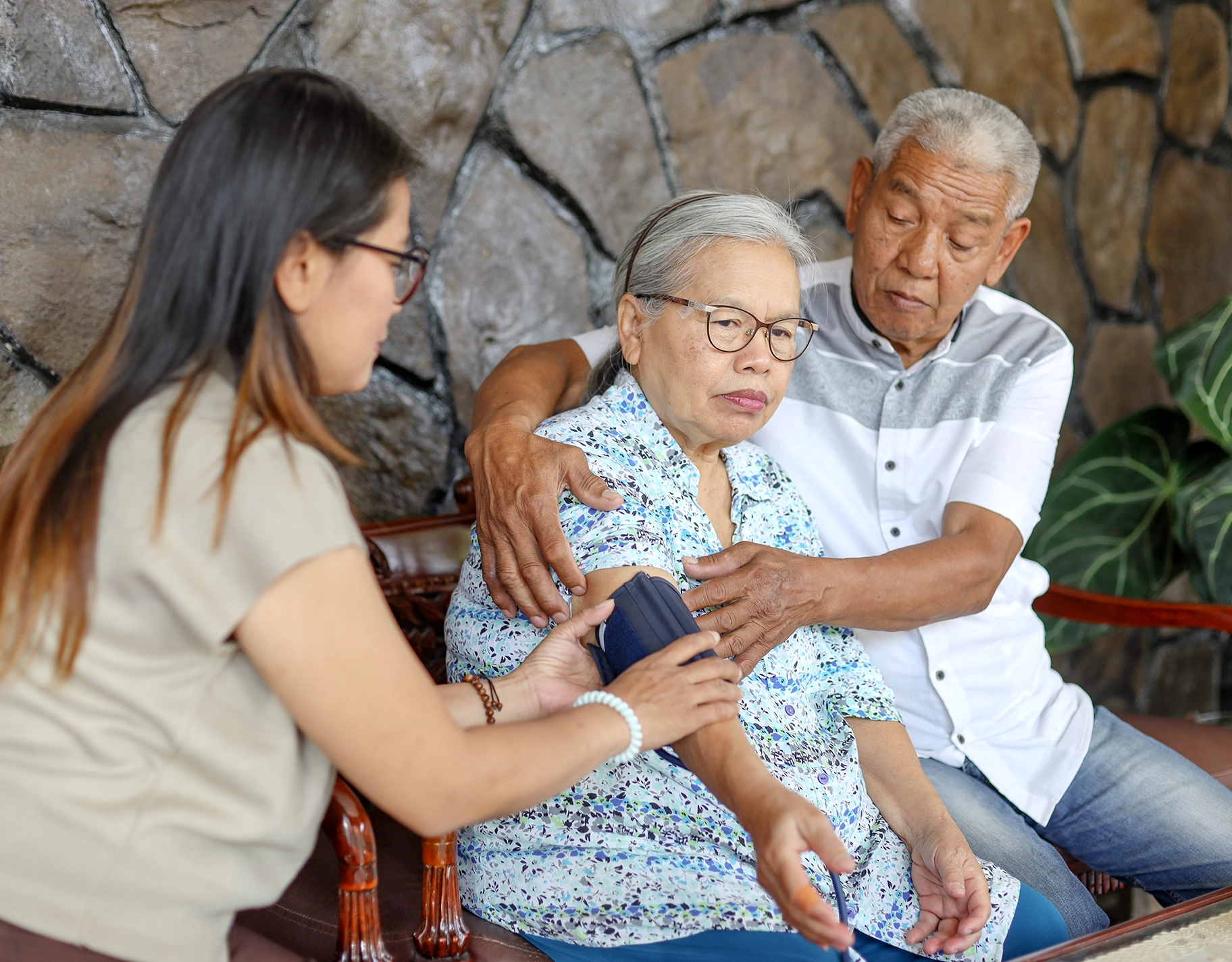
However, most Filipino families opt for home care as the elderly usually associate hospitals with death. So, they usually hire a nanny, a yaya, or even a registered nurse to provide the care the elderly need. They’re usually hired from an agency that also requires an agency fee, depending on who we’re hiring from.
More one-time expenses include getting a lawyer to craft a document that designates the adult child as their proxy in making some decisions. Then, there’s also notarizing said document, which can be done in any nearby notary office.

The Truth Behind Utang Na Loob
Caring for our elderly parents is hinged on the virtue of Utang na Loob. Ideally, we return the favor to our parents out of love and our own will. Not because the law or anything in the world insists on doing so.
However, it can be difficult to achieve that kind of reasoning. Sometimes, a lot of hurtful things have been said. Boundaries that should never have been crossed were just ignored. It can take a lot of healing and time before anyone can attain and sustain that kind of motivation, especially for those who have been abandoned by their parents or who had the script flipped on them.
So, for the many adult children who are navigating this part of their lives, know that there’s always a solution to streamline the program. And even if you’re not the one giving the care yourself, it doesn’t make you any less of a person or their child. What’s important is — you’re giving what you can.
More about the elderly?
For Parents Over 50: The Importance of Shingles Prevention
6 Ways To Make Senior Citizens Feel Valued
Here’s What We Need to Know About the Senior Citizen ID