A Reminder to All: Why Mockery of Neurodivergent Individuals Is Never Entertainment



Public platforms carry public responsibility. Making fun of neurodivergent people violates both basic human dignity and Philippine law
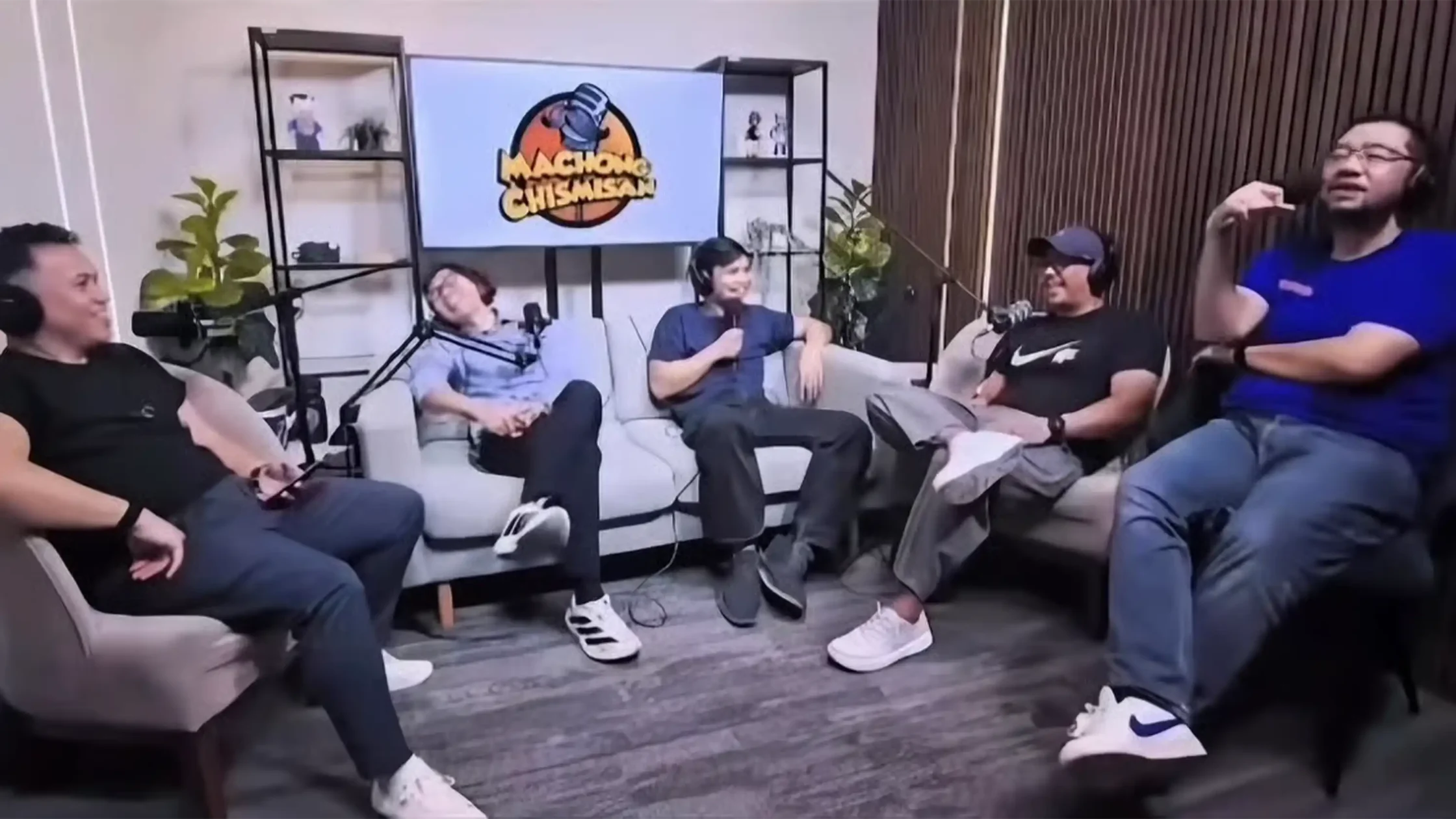
The recent online outrage following the mockery of Kris Aquino’s son, Josh, on the Machong Chismisan podcast served as a stark, uncomfortable reminder: we have a long way to go when it comes to empathy and respect for the neurodivergent community.
While the incident sparked widespread condemnation, the reality is that protection for people with disabilities isn’t just an unspoken rule of decency—it is literally the law of the land.
Long before this controversy hit our feeds, Republic Act No. 9422—amending the Magna Carta for Persons with Disabilities was enacted to safeguard PWDs and neurodivergent individuals from discrimination, vilification, and bullyingBullyingRepeated, intentional harm toward another child through words, actions, exclusion, or online posts. Parents can help by listening without blame, documenting incidents, talking with the school, and reminding their child.
What the Law Actually Says
For content creators, public figures, and internet users who hide behind the banner of “harmless humor,” it’s crucial to understand that mockingly targeting individuals with disabilities is an offense under Philippine law.
Under the amended law, public ridicule is explicitly prohibited: “No individual, group, or community shall execute any of these acts of ridicule against persons with disability in any time and place which could intimidate or result in loss of self-esteemSelf-EsteemA child's sense of their own worth and ability. Praising effort, giving responsibilities, accepting feelings, and avoiding harsh comparisons with siblings or classmates help children grow confident, kind, and willing of the latter.”
This isn’t just a slap on the wrist. Violators face fines starting at ₱50,000 for a first offense, alongside potential imprisonment ranging from six months to two years.
Cruelty is Not Content
In the wake of the incident, advocacy groups, public figures, and leaders rallied to defend Josh, reinforcing a boundary that should never have been crossed in the first place.
The Autism Society Philippines (ASP) issued a direct statement entitled “Patawang Hindi Nakakatawa” highlighting the distinction between genuine content creation and harmful behavior: “Disability is not a punchline. Freedom of expression must never come at the expense of the rights and humanity of persons with disabilities.”
“Disability inclusion is a matter of rights, not personal preference. Make content that informs, entertains, and respects. Because when the joke depends on making someone less human, the problem isn’t the audience that gets offended. It’s the creator who thinks cruelty deserves applause.”
The Master Cutter star Dingdong Dantes, chair of AKTOR PH(League of Filipino Actors), also emphasized the accountability required when given an audience: “Ang mikropono at entablado ay may kaakibat na pananagutan. Hindi aliw ang panghahamak. Tungkulin nating itaas ang pamantayan, hindi lang ang volume.”
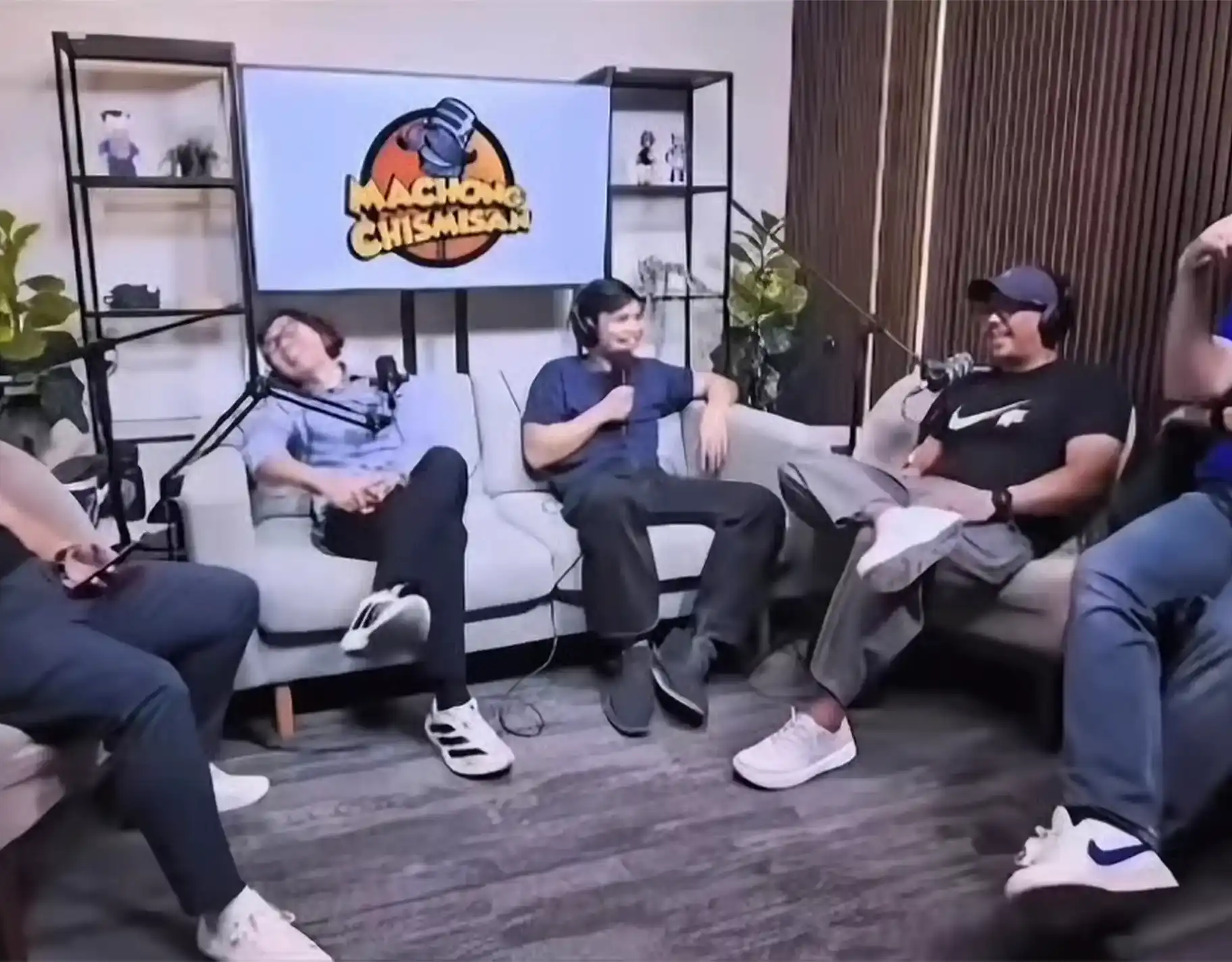
Prominent figures close to the family, including former Batangas Vice Governor Mark Leviste and Boy Abunda similarly spoke out against the disrespect. Following the backlash, The Pod Network terminated its contract with Machong Chismisan, and the show’s hosts subsequently issued a public apology to Kris Aquino and her family.
Kris herself has somehow responded to the issue, posting on Instagram: “A friend who I admire for his wisdom told me there are people I should learn not to give oxygen to; in other words, ignore, and the issue dies a natural death. By never stating their names or my feelings, they didn’t get the word war from me they were expecting.”
She adds that Josh continues to take care of her when it’s his turn.
Holding the Line on Respect
In an era where podcasts, live streams, and social media channels give almost anyone a global platform, having a microphone is a privilege—not a license to degrade others for engagement.
Freedom of speech comes with civic and moral responsibility. Being entertaining should never depend on stripping someone else of their dignity, especially members of vulnerable communities who deserve support, safety, and inclusion.
It is high time we enforce the laws built to protect them, hold creators accountable, and raise children in a culture where empathy always wins over a cheap laugh. PWDs and neurodivergent individuals have rights; they have feelings, and above all, they deserve our absolute respect.
Frequently Asked Questions
Under Section 40 of RA 9422, individuals or groups found guilty of public ridicule against persons with disabilities face a fine of ₱50,000 for the first offense, along with potential imprisonment ranging from six months to two years.
No. Freedom of expression is not absolute and does not grant immunity when public commentary violates specific statutory rights. Laws like RA 9422 prohibit speech that degrades, intimidates, or strips away the self-esteem and human dignity of persons with disabilities.
More on neurodivergent issues
Access to Autism Teletherapy Expands in PH with DOST support
Elijah Canlas Talks Love, Learning, and the Ausome Community
“Second Reading: PASSED!” National Autism Care, Support, and Inclusion Act, Moves Another Step Forward