What Parents Should Know About Tsunamis: Staying Safe & Helping Other Families



Here’s what Filipino families should know about tsunamis and the Philippines
Living in the Philippines means we live with beauty and risk. Among the ocean, volcanoes, and tectonic plates lies the possibility of tsunamis. While they’re rare compared to the occasional earthquake and seasonal bagyo and habagat, knowing about tsunamis can make all the difference for families, especially in coastal areas. Here’s what parents need to know—and how to help protect your loved ones and community.
What Is a Tsunami?
A tsunami is a series of large waves caused when a large amount of water is suddenly displaced. This usually happens because of:
- Big underwater earthquakes
- Volcanic eruptions or underwater landslides
- Sudden shifts in the sea floor
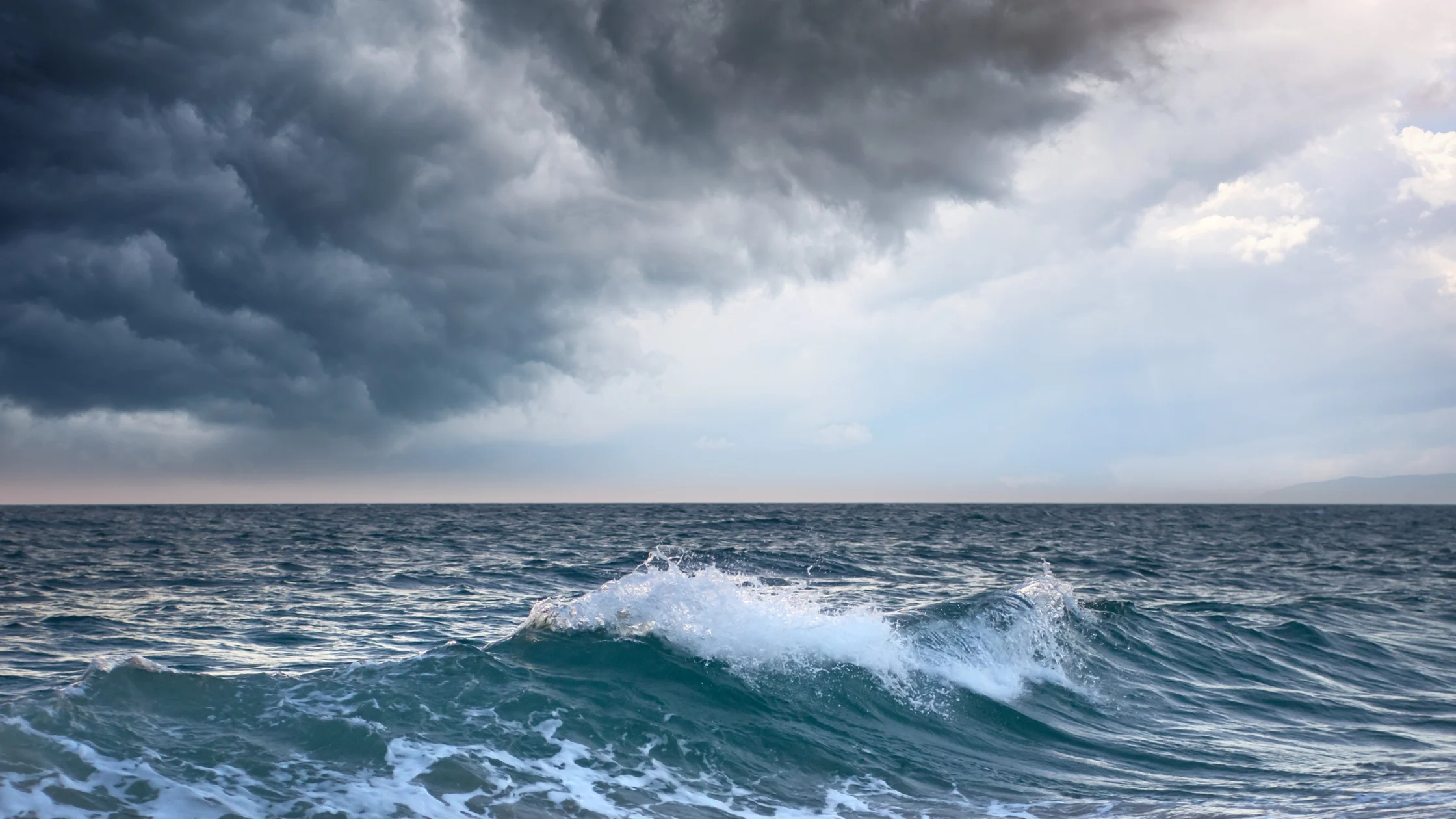
These waves travel very fast in deep water. While they look nothing special from above immediately, they actually do most of the build-up beneath the waves. They slow down, pile up, and then rise. These are waves definitely not worth riding as they’re capable of tearing villages and buildings.
A Bit of Philippine History with Tsunamis
The Philippines has suffered from tsunamis in its past. Some examples:
- 1976 Moro Gulf earthquake and tsunami — One of the Philippines’ most devastating events: magnitude ~8.0 quake, thousands of lives lost, entire coastal towns destroyed.
- 1992 Manay, Davao Oriental — Two big earthquakes (magnitudes 7.1 and 7.2) triggered a tsunami that flooded parts of the coast.
- 1990 Bohol Sea earthquake — A tsunami about 2 meters high hit Camiguin and other coastlines after a major quake.
Although the tsunami alerts have been lifted, small waves may still strike the coastline.
How Tsunamis Actually Happen (The Science Behind It)
- Trigger – An underwater quake (especially on a subduction zone), volcano, or landslide shifts the sea floor, displacing the water above.
- Slow wave travel in the deep sea – The wave travels fast but is shallow, so it’s barely noticeable from a boat.
- Wave energy builds near shore – As water becomes shallower, wave height increases, waves slow, and energy compresses.
- Drawback – Sometimes you’ll see the sea recede suddenly, pulling water away from the shore, exposing the sea floor. That can be a warning sign.
- Waves hit land – The first wave isn’t always the biggest. Multiple waves can follow, each becoming more destructive and flood-heavy.
What Families Can Do to Protect Themselves
While nobody can stop tsunamis, we can be prepared before they hit.
- Know your risk zones: If you live in coastal barangays or islands, find out whether your area is in a tsunami hazard zone. Local government units (LGUs) often publish hazard maps.
- Establish escape routes: Identify all high grounds nearby. Practice going there with your kids so everyone knows where to go, even in the dark.
- Make a “go-bag” ready: Essentials only—water, flashlight, medicine, charged phone, important papers. Store it somewhere accessible and dry. Plastic envelopes for papers. Air-tight bottles for water. Bring an extra internet provider just in case.
- Watch and listen for natural warning signals: Like strong ground shaking, sudden sea withdrawal, or rumbling sounds. If those happen, move away from the shoreline immediately.
- Stay informed: Sign up for alerts via PHIVOLCS (Philippine Institute of Volcanology and Seismology), the Office of Civil Defense (OCD), and listen to radio/TV updates.
How Families Can Help Others Avoid Danger Too
The more the merrier, they say! Here’s how to help other families prepare themselves for a possible tsunami.
Support early warning and monitoring efforts
Back initiatives that improve tsunami detection—this could be funding, advocacy, or even simply practicing what to do when a warning sounds.
Share what you know
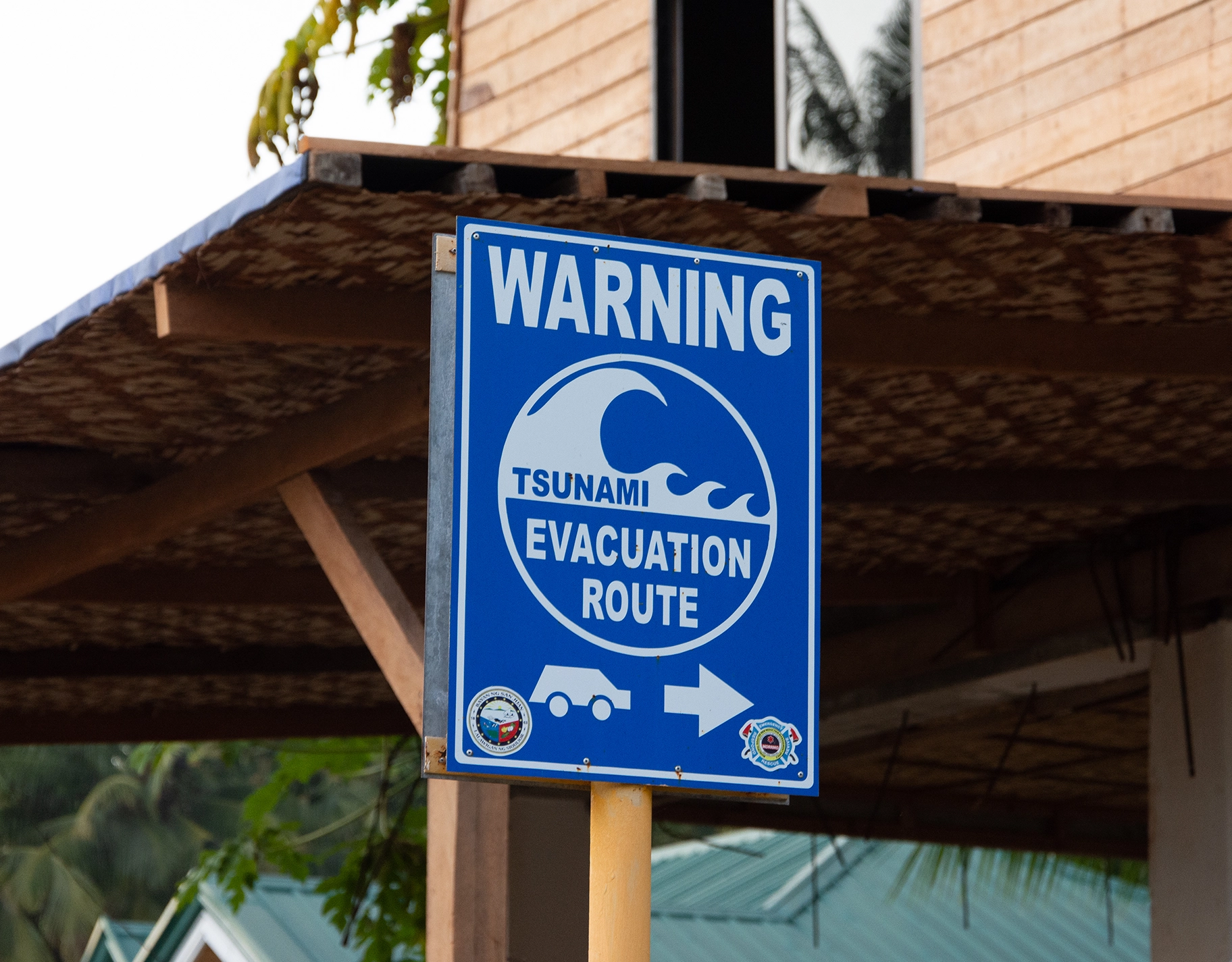
Talk with neighbors or community groups about tsunami drills, escape plans. Translate hazard signs or information into local dialects if needed.
Volunteer or support LGU disaster preparedness programs
These often need community volunteers, funding, or help spreading awareness. Sometimes, being part of their social media team is good enough!
Help build or support shelters
If your community can, help push for evacuation centers or safe zones if they don’t exist.

Tsunamis are scary if we aren’t prepared
While Tsunamis are frightening, they’ll be a lot less scary if we know how they behave and prepare for them.
For many Filipino fishing families, reading the waves is a part of their daily lives. Some have even learned by looking at the shoreline and how high the tide is.
But for other families, the essentials include knowing where to run, having all your necessities ready, and teaching the kids what warning signs to look for. Those can be lifesaving!
The Philippines, like its neighbors, is definitely prone to a lot of calamities. While tsunamis are rare in our history, it hurts nobody to be prepared. Do a bit of reading. Review a bit of science. Most of all, stay safe.
Frequently Asked Questions (FAQs)
It depends—if the quake is very close to the shoreline, a tsunami might hit in just a few minutes. That’s why knowing your escape route and moving fast is crucial.
Yes. Some tsunamis originate far out at sea or from landslides or submarine events you might not feel. That’s why paying attention to sea withdrawal and public alerts is important.
While it’s usually the coastal areas that will bear the brunt of the damage, it can overwhelm inland water channels. Most likely, there may be more floods or worse: water shortage.
They can be—but it depends on local readiness. Some LGUs are well-prepared; others need more resources. It helps when communities participate, know the plan, and practice drills. Always follow your LGU’s social media handles for more information!
Do not assume the threat is over. Tsunami waves often come in a series. Go to higher ground, stay away from the shoreline, follow instructions from authorities, and wait until they say it’s safe.
More about disaster preparedness?
How Families Can Help Others Affected by the Cebu Earthquake
How To Promote Disaster Preparedness in Kids
This Web App Helps in Teaching Disaster Preparedness