What Parents Need to Know About the Philippine Geriatric Center Act



With the Philippine Geriatric Center Act making its third pass, this is what we know about it
For many Filipino parents today, caregiving doesn’t stop with their kids. It extends quietly, relentlessly, to aging mothers and fathers—some frail, some chronically ill, many too proud to complain until it’s already serious. Between school runs, work deadlines, and household budgets, caring for elderly parents often feels like a second, unpaid full-time job. That’s why the Senate’s approval of the Philippine Geriatric Center Act (also known as SB 1509), written by Sen. Risa Hontiveros, matters—and here’s what we know about it.
What the Philippine Geriatric Center Act Is About
The Philippine Geriatric Center Act seeks to establish a dedicated specialty hospital for senior citizens, focused on age-related illnesses, long-term care, rehabilitation, and research. The proposed Philippine Geriatric Center will be attached to the University of the Philippines–Philippine General Hospital (UP-PGH), allowing it to tap into existing medical expertise while creating a space specifically designed for older patients.
For families, this is significant. Most public hospitals today are not built with senior-specific needs in mind. Elderly patients often share wards with much younger ones, endure long waits, and navigate systems that aren’t sensitive to mobility issues, cognitive decline, or complex chronic conditions. A geriatric-focused hospital signals a shift from reactive care to dignified, specialized aging care.
A Godsend For Those Caring for Elderly Parents
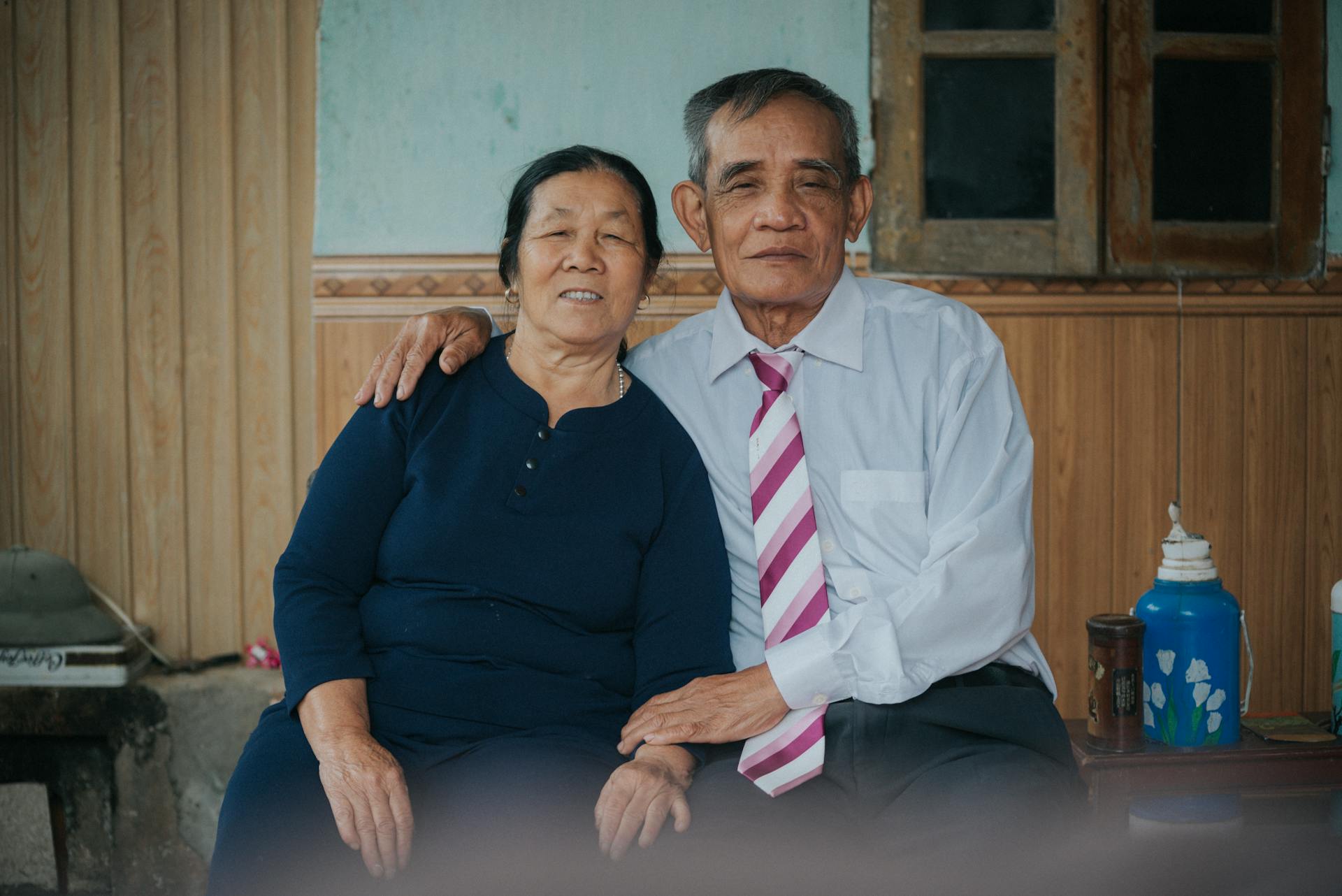
If you’re a parent caring for an elderly parent, you already know the emotional and financial toll. Many Filipino families delay hospital visits because they fear the cost, the chaos, or the guilt of not being able to stay bedside 24/7. Others rely on home care until a condition becomes an emergency.
The proposed geriatric center aims to address common senior health concerns—such as dementia, stroke recovery, arthritis, cardiovascular disease, and age-related frailty—under one system. This could mean more coordinated care plans, fewer repeated tests, and better guidance for families who are often left guessing what comes next.
It also recognizes a truth many parents live with daily: caring for the elderly is not just medical—it’s deeply emotional, logistical, and exhausting.
A Lifeline for the Sandwich Generation
Parents in their 30s to 50s are increasingly part of the “sandwich generation,” raising children while supporting aging parents. This group often absorbs hospital bills, caregiving duties, and emotional labor all at once. The Philippine Geriatric Center Act acknowledges that elder care is no longer a niche issue—it’s a mainstream family reality.
With a specialized geriatric hospital, families may eventually see clearer referral systems, better-trained geriatric specialists, and care environments that reduce stress not only for seniors but also for their caregivers. Even the act of having doctors who understand aging as a life stage—not just a set of symptoms—can make a profound difference.
What This Could Mean for Public Health and Access
The measure also emphasizes training, research, and capacity-building in geriatric medicine—an area where the Philippines currently faces shortages. As the population ages, the demand for geriatric care will only grow. A national center helps prepare the healthcare system for that future, instead of leaving families to navigate it alone.
For parents outside Metro Manila, the long-term hope is that the Philippine Geriatric Center becomes a model—one that inspires regional hospitals and local government units to strengthen elder care services closer to home.
What Parents Should Keep in Mind Now
The Philippine Geriatric Center Act has passed Senate approval, which is a crucial step—but families should understand that implementation takes time. Facilities must be built, funding allocated, and systems put in place. Still, this is a policy direction worth watching, especially for parents planning long-term care for elderly loved ones.
In the meantime, this development opens the door to important conversations at home: about aging, medical wishes, caregiving roles, and how families can support one another without burning out.
Caring for our elders has always been part of Filipino culture. What this act promises is something just as important—care that is structured, specialized, and humane. For parents already stretched thin, that promise alone is worth holding onto.
Frequently Asked Questions
It is a proposed law that establishes a dedicated specialty hospital for senior citizens, focusing on age-related illnesses, long-term care, rehabilitation, and geriatric research.
Senior citizens with chronic or age-related conditions—and their families, especially parents caring for elderly parents while raising children at the same time.
The center is planned to be attached to UP–Philippine General Hospital, allowing it to leverage existing medical expertise while providing senior-focused care.
While the bill has been approved by the Senate, implementation will take time. Construction, funding, and staffing will follow once the measure becomes law.
As a public, government-supported facility, it is expected to follow public hospital pricing structures, making specialized geriatric care more accessible to Filipino families.
More about caring for the elderly?
Why Filipinos Willingly Care For Their Elderly Parents
To the Caregivers Holding It All Together: This Is for You
3 Reasons Why Some Senior Citizens Insist On Working