What Marcos’ SONA Means for Your Family: Cheaper Rice, Health Benefits, and More



The president’s fourth State of the Nation Address last July 28 gave updates on his administration’s accomplishments and plans
Every Filipino parent worries about what to put on the table and how to care for a sick child. In his fourth State of the Nation Address (SONA), President Ferdinand Marcos Jr. made promises to ease both burdens. But will these plans make a real difference?
In his speech, Marcos spoke about the actions taken so far by his administration that benefit every Filipino.
We dive further into why this matters for every Filipino household.
How PHP 20 rice and increasing food production benefits families
In his speech, Marcos discussed one of his promises – lowering rice to PHP 20 a kilo.
“Napatunayan na natin na kaya na natin ang bente pesos sa bawat kilo ng bigas, nang hindi malulugi ang ating mga magsasaka,” he said.
The PHP 20 rice program has already rolled out in areas like San Juan, Pangasinan, and Cebu, with more KADIWA stores on the way.
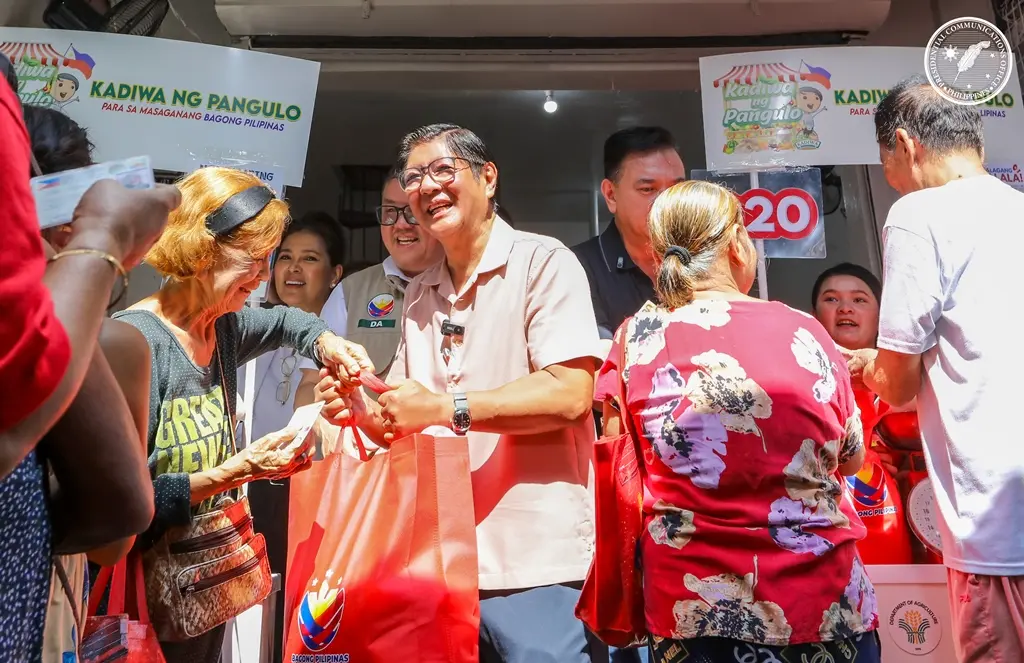
Photo from from the Presidential Communications Office
On Tuesday, July 29, Agriculture Secretary Francisco Laurel Jr. announced that the president allocated PHP 18 billion to expand the program “Benteng Bigas, Meron Na!” to provide 60 million Filipinos access to PHP 20 a kilo rice.
“The government must help ease daily life, even just a little,” Laurel said in Filipino. “If rice is affordable, families will have the extra money to buy milk for their children or a decent viand to enjoy daily meals together.”
Aside from rice, Marcos also spoke about improving the local produce to lower the prices of pork and poultry. The government has also invested in facilities and continues to provide farmers with seeds for corn, vegetables, and other crops.
Food Prices Remain Expensive
As the government continues to find ways to meet the demands for food, it’s also a reality check that food prices have gone up in recent years. A budget of PHP 1,000 used to stretch to at least 10 basic needs. Now, it can only pay for three to six products.
It’s not just prices that families have to think about. There are many families who still experience hunger. Even with programs launched in schools, malnourishment still needs to be addressed, especially in rural areas and far-flung places.
Although the administration promises to ensure that no Filipino family will go hungry again, they must reach out to the people and find ways to lower the prices of basic commodities. More than the prices, programs in good nutritionNutritionThe process of obtaining and using nutrients from food to support growth, energy, overall health, and proper body function. must continue. Fast food can feed children, but nothing beats having real food that can be enjoyed and eaten by the family.
PhilHealth’s Expanded Coverage: A Lifeline for Families With Health Challenges
Also part of the report was the news that PhilHealth covers much of the medical expenses of patients. Last June, Marcos announced that PhilHealth has upgraded its benefit package for kidney patients, including dialysis.
Aside from dialysis, PhilHealth’s programs also include cancer and heart operations. There is also a Cancer Assistance Fund and coverage for dengue.
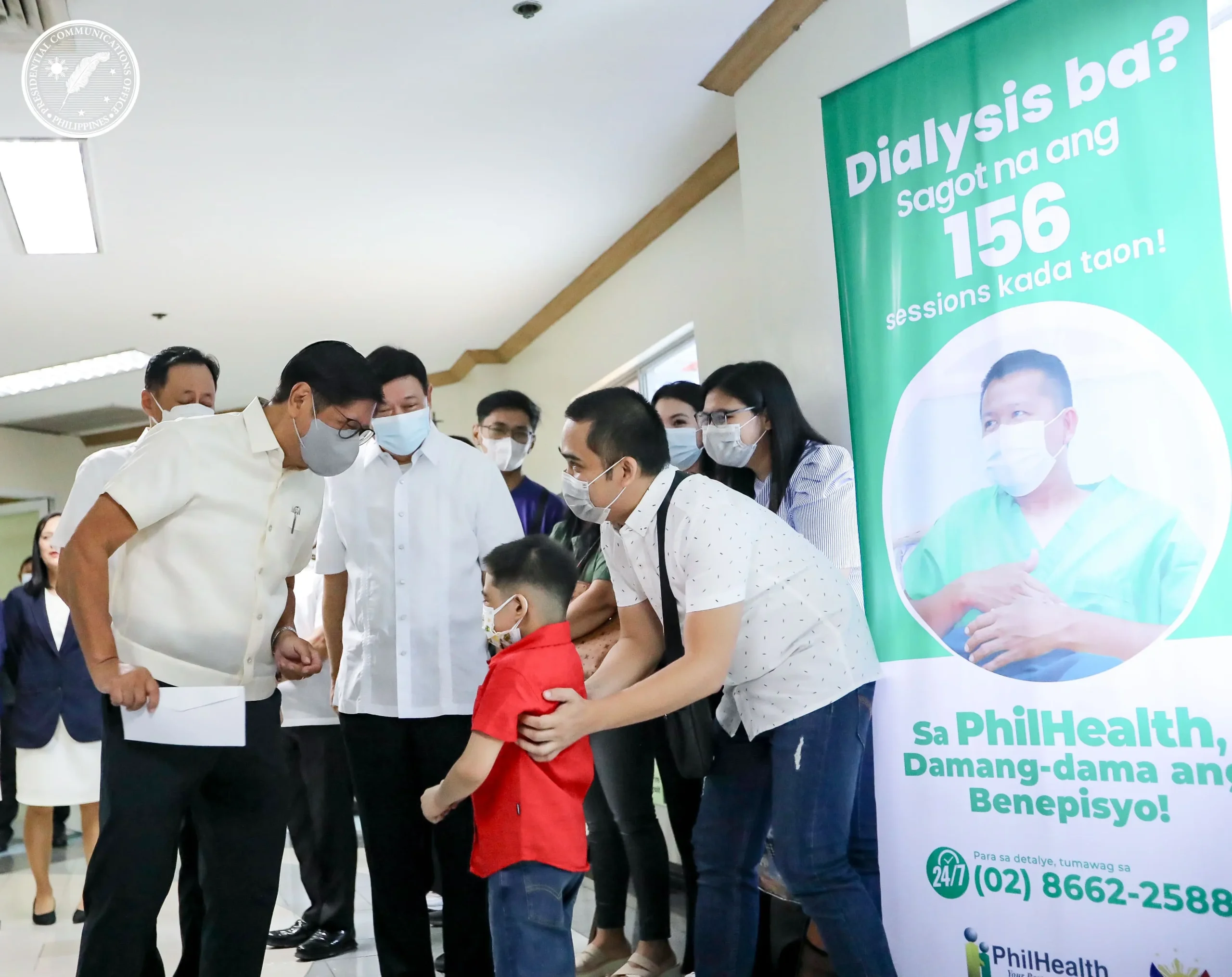
Photo from from the Presidential Communications Office
Aside from PhilHealth, Marcos also shared that the administration, through the Department of Health and other groups, has been upgrading government hospitals, adding medical staff, and health centers.
Health Care Still Strains Family Budgets
Although the news of PhilHealth covering many of the health expenses is good news for families, especially those with low incomes, it’s still a reality that health care in the country is expensive. Diagnosis and check-ups with doctors are already at PHP 1,000, and these are just consultations.
It’s also disheartening that many healthcare workers leave the country to earn a living for their families. If they are given the right wages after working more than 12 hours of a shift, then many of them will stay and prevent the brain drain in the country.
Health care is a right — not a privilege — and the PhilHealth benefits are just a starting point. Families continue to hope for a time when getting sick won’t mean draining their bank accounts.
As always, Filipino families are left doing their best — budgeting every peso, caring for loved ones, and hoping for real, lasting support. Whether these promises turn into everyday realities remains to be seen, but the needs of parents and children can’t wait.
More family struggles
Behind the Magic: How Encantadia’s Sang’gres Reflect Real Parent-Child Struggles
Menstrual Leave: What It Entails & How It Helps Moms Provide For Their Families
Why Nutrition is Every Filipino Family’s Right