Menstrual Leave: What It Entails & How It Helps Moms Provide For Their Families



Here’s what we know about Menstrual Leave and how it helps women and moms
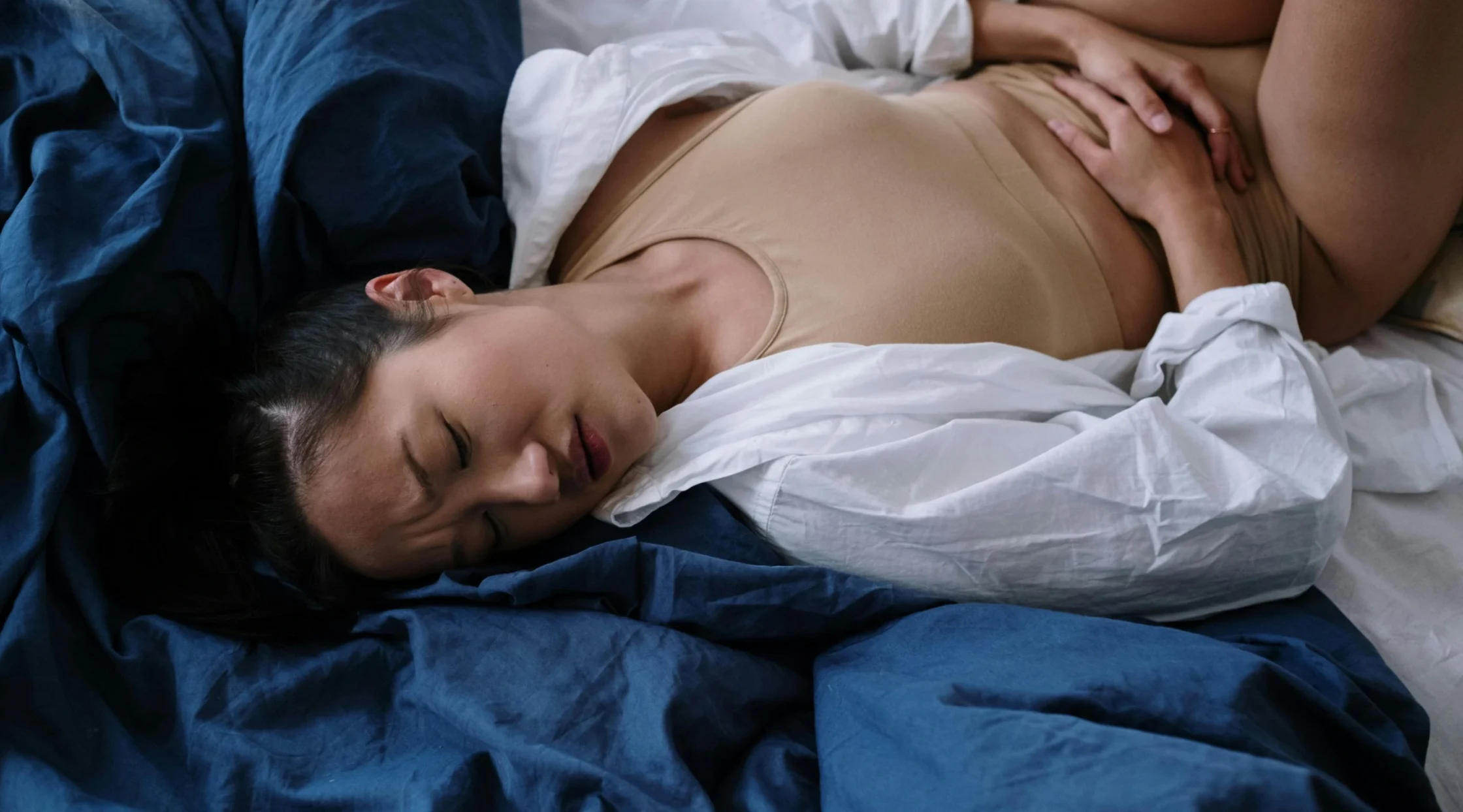
No two periods are the same—even for one woman. Some days, it’s just bleeding and mood swings. Other days, it’s bleeding, mood swings, bloating, and cramps. But there are days that it’s all of the above with a side order of body pain. And despite all the over-the-counter meds to help women cope, there are days those aren’t enough.
It may have been filed two years ago, but the highly debated Menstrual Leave is once again making the rounds. Here’s what it is and how it helps:
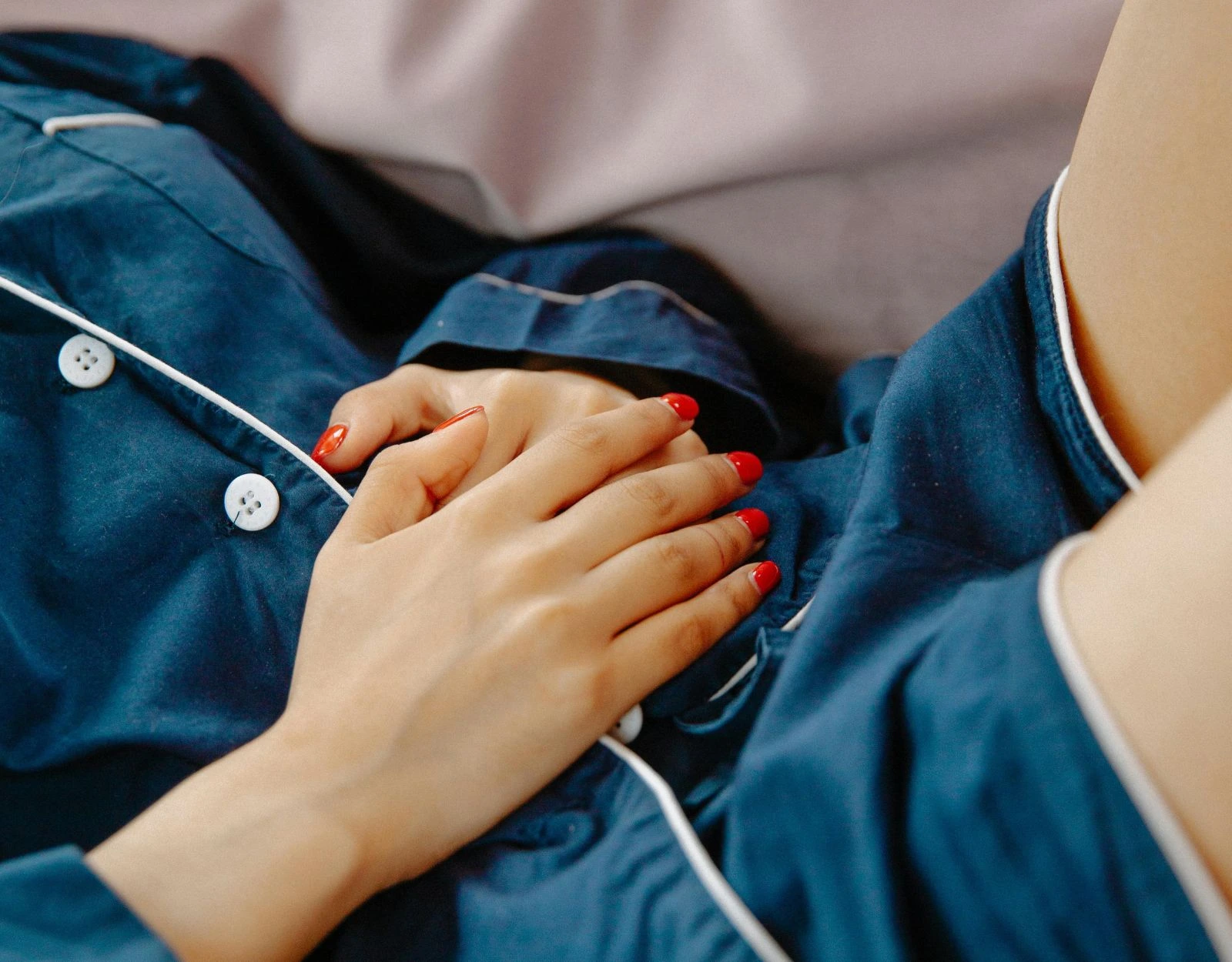
What is Menstrual Leave?
While most assume that Menstrual Leave is a seven or five-day leave, according to the Senate Bill no. 1545, it’s “a one (1) day Sanitary Leave with one hundred percent (100%) remuneration.”
Filed as the “Sanitary Leave Act,” which was introduced by former Senator Bong Revilla Jr., the Menstrual Leave was proposed as a response to the idea that many women have entered the workforce. However, it isn’t just for women who work on-site; it’s also for mothers and women who have built their careers as remote workers, such as virtual assistants and social media managers.
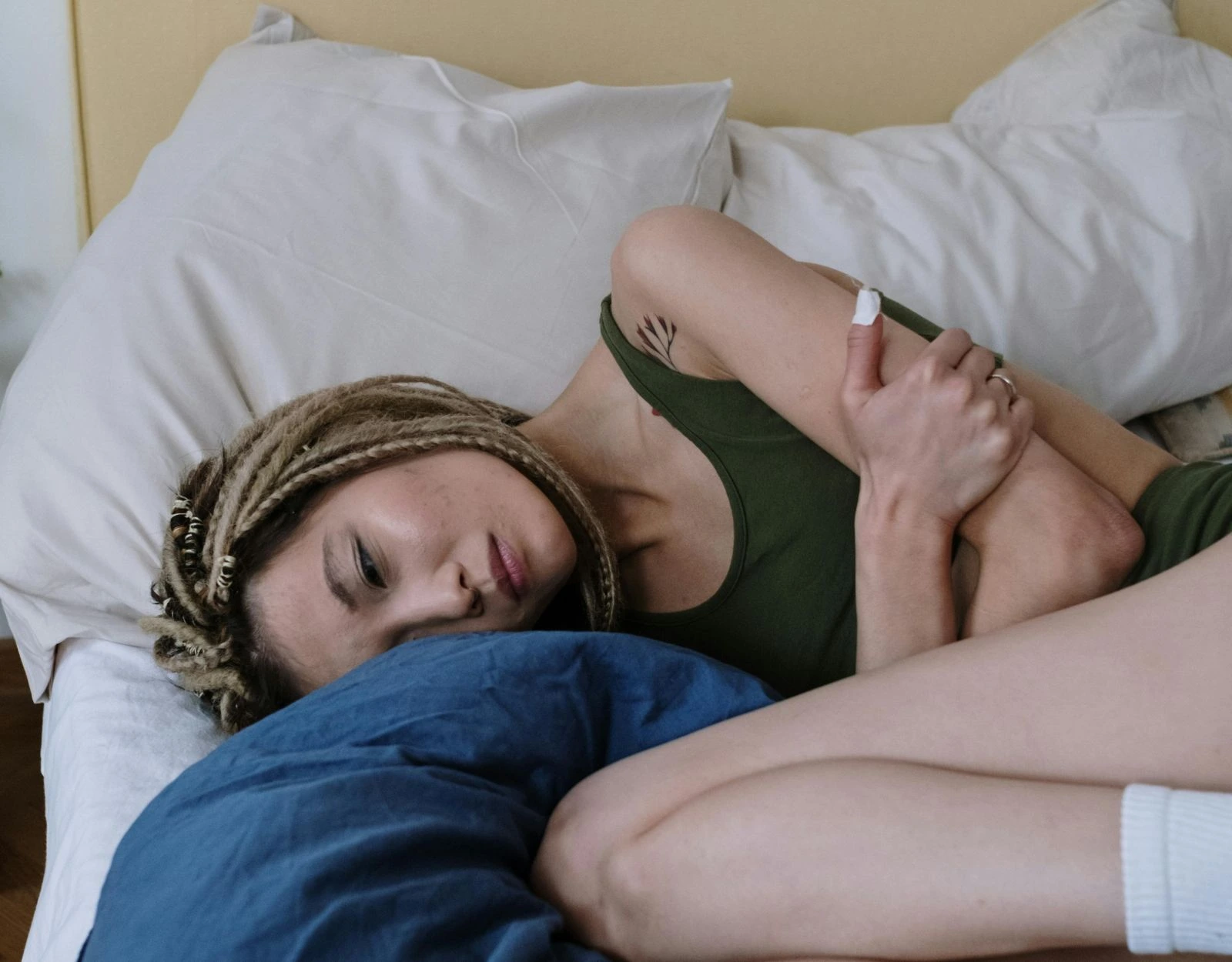
Opening the workspace to moms and women
For many years, moms and women had to cope with the lack of policies that addressed their health needs. While there were sick leaves (as mandated by the government), they only remedied the problem, assuming that the issue was just an honest-to-goodness “bad period day.”
Over the years, moms and women have faced more period-related problems, which still need more research. With everything still in progress, there’s little groundwork to build. But the numbers are getting higher:
- 1 out of 10 Filipinas suffer from endometriosis, which are often dismissed as a “bad period day.” In 2024, the usual age at which women start to suffer from the disease ranges from 10-24 years old. However, it’s only when they’re much older that they find a specialist to manage the disorder (Cruz & Bucu, 2024).
- Adenomyosis, which is different from Endometriosis, affects 34 out of 100 women. It’s another disease that gets dismissed as a “bad period day.” When, in reality, the disease causes the lining meant for periods to build up inside the uterus. Not only does it cause severe pain, but the uterus’s lining is also destroyed, lowering the chances of being able to have a baby (Zoleta, Bustamante, and Amosco, 2025).
- Polycystic Ovarian Syndrome (PCOS) has affected over 4.5 million women, with many of them running around undiagnosed or misdiagnosed. The hormone-based syndrome doesn’t just inflict pain during periods; it can overhaul a woman’s quality of life in a single night (Macahilig, 2024).
And to think these are just some of the major diseases that are period-related!
How It’s A Necessity
Some have criticized that Menstrual Leave is a privilege, and so are the things required for feminine hygiene. In response, the Instagram page Pinay Collection responded with an infographic, citing that other countries such as “Japan, Taiwan, South Korea, Spain, and Indonesia” have been enforcing “menstrual leaves,” proving it’s supposed to be nothing new.
However, let’s be honest: women have powered through “periods” like it’s another day in a life of being female for many years. But the call for menstrual leave is a sign that diseases have evolved. Powering through it is no longer practical, especially when many moms and women have become too good at what they do and have become linchpins in their respective companies and at home.
And considering how many moms and women figure out the subtext faster than most, a menstrual leave is just a small request. It’s just 24 hours (at least based on the Senate’s bill) to help settle that part of them so they can go back to doing what they do best. Whether it’s running a company department or making sure kids are happy, healthy, and safe, they, too, need a bit of “reprieve” to regroup and restrategize.
And doesn’t everybody need that moment? It’s just that this one has a name.

It’s just like giving a person a tool to do their job
It’s not easy to talk about periods, but it’s something every woman goes through. We talk about raising children and parenting, even when we know it’ll trigger heated debates. But a woman’s period is always where it starts. Every woman—grandmother, mother, and daughter—knows: once a woman starts having her period, it means her body is healthy enough to carry a baby.
Especially when moms (especially single moms) have joined the workforce to provide for the home, providing menstrual leave will be like giving a person a tool to do their job right. With the “100% renumeration,” moms and women alike don’t have to rejuggle their line-item budget just because of something that happens naturally.
It shouldn’t take a law to make people help one another.
For the many SHEOs and mompreneurs out there, a part of us always wished someone would give us that reprieve. Maybe that someone, today, is us.
For the dads and men who run the companies, these women are wives, daughters, and girlfriends. If we can’t bear the idea of them being in pain, then don’t let other men out there suffer that too.
References
Belen, M. A. P. F., & Lao, S. S. (2022). Association of metabolic syndrome with different phenotypes of polycystic ovarian syndrome among Filipino women in a tertiary hospital: A retrospective cohort study. Philippine Journal of Obstetrics and Gynecology, 46(6), 242-248.
Cruz, C. T. A. A., & Bucu, M. E. M. (2024). Clinical profile and symptoms of young women aged 10–24 years diagnosed with pelvic endometriosis: a 5-year experience of a tertiary hospital in the Philippines. Journal of Endometriosis and Uterine Disorders, 8, 100085.
Macahilig, M. P. (2024). Chief Complaints, Psychological Distress, and Coping Styles of Women Living with Polycystic Ovarian Syndrome.
Zoleta, M. K. S., Bustamante, L. M. D., & Amosco, M. D. (2025). Evaluation of sonographic endometrial findings among patients with polycystic ovarian syndrome: A retrospective study in a local tertiary hospital. Philippine Journal of Obstetrics and Gynecology, 49(2), 89-97.
More about periods?
Period Pain: “It’s not just hormones!”
Period Brain Fog is Real: How To Deal With It
Moms to their daughters: “We need to talk PERIOD”