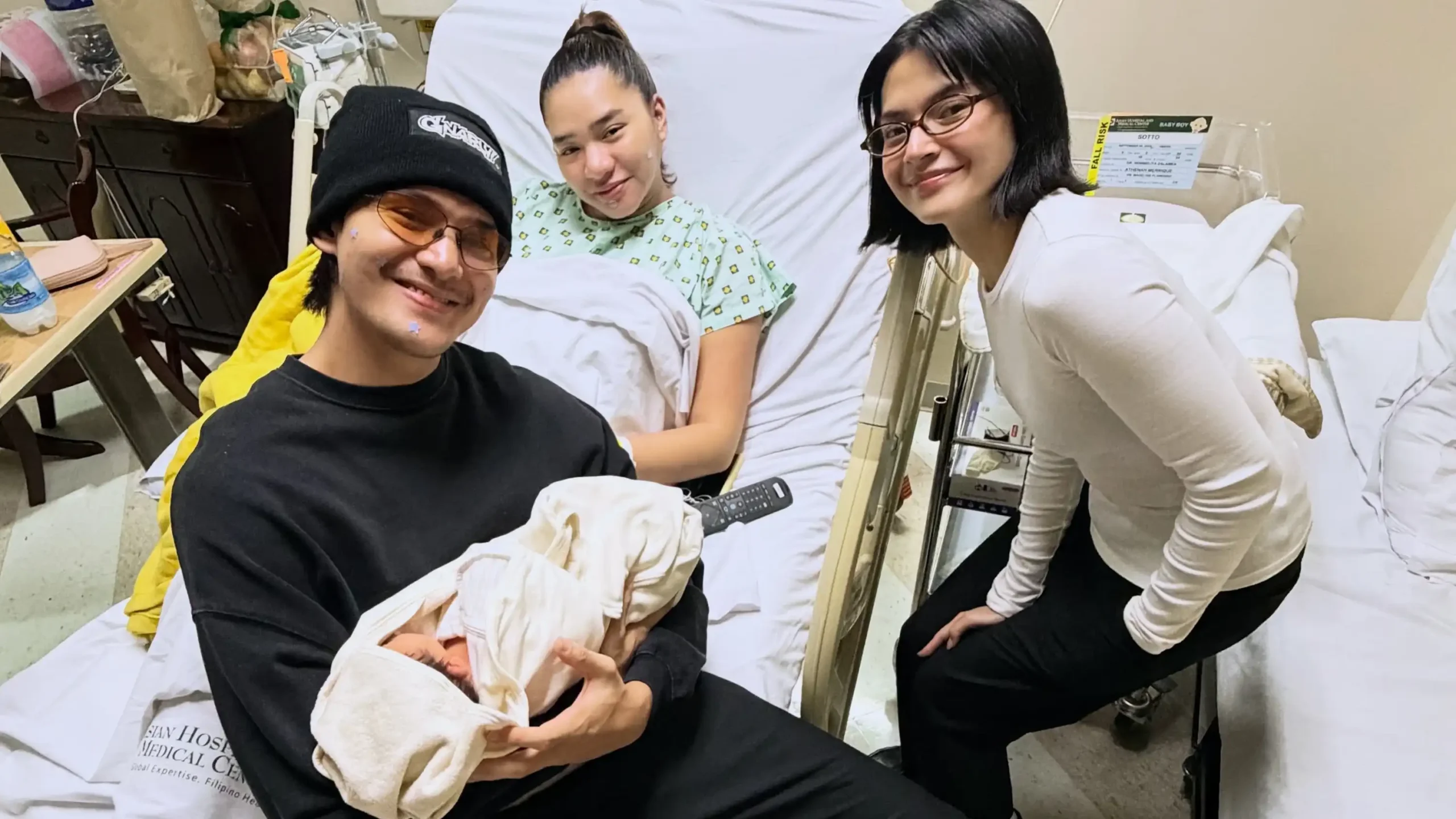
What Parents Need To Know About The PhilHealth’s Expansion of Maternity Benefits



Here’s what parents and young couples need to know about the expanded maternity benefits from PhilHealth
Starting April 30, 2026, PhilHealth’s maternity benefits are expanded—significantly increasing coverage for childbirth and maternal care in a move aimed at easing financial pressure on Filipino families.
Under the updated package, coverage for normal deliveries will rise to ₱29,000 from ₱9,750, while caesarean deliveries will increase to ₱58,000 up to ₱62,000 from ₱37,000. Prenatal carePrenatal CareMedical care and healthy habits during pregnancy, including checkups, vitamins, balanced meals, rest, and avoiding harmful substances. Regular visits help doctors monitor mother and baby and catch problems early. coverage has also been expanded from four to eight checkups, now including vaccines and laboratory tests, while postnatal care improves with three follow-up visits covered.
The expansion, announced by Ferdinand Marcos Jr., is part of broader efforts to strengthen maternal healthcare and make childbirth more accessible—particularly for young families planning to have more children.
How Financial Costs Impact Postpartum Care
For young Filipino parents and couples, having a child is a big emotional and financial decision.
Hospital bills, prenatal checkups, emergency procedures, and postnatal recovery costs often stack up quickly. Even before the baby arrives, families are already making trade-offs: fewer consultations, delayed tests, or skipping follow-ups altogether.
By increasing financial support for both routineRoutineA predictable daily rhythm for waking, meals, school, play, and sleep. Routines give children a sense of security, reduce power struggles, and make busy mornings smoother, while some flexibility keeps and high-risk deliveries, PhilHealth’s updated package aims to reduce out-of-pocket expenses that often discourage consistent care. The inclusion of more prenatal checkups—now doubled to eight—also signals a shift toward preventive care, catching complications earlier rather than reacting later.
In recent years, the Philippines has seen a gradual decline in birth rates, influenced by lifestyle changes brought about by economic recession and volatility.
The Growing Hospital Hesitancy Among Filipinos
Beyond cost, there’s another quiet factor shaping family decisions: hesitation.
Many Filipinos delay or avoid hospital visits unless absolutely necessary, usually because of expenses, stressful waits, and traumatic experiences from healthcare services.
Hesitancy can be costly. Skipping prenatal visits or postnatal care may save money, but it also can risk disease. And for many pediatricians, prevention is a lot better than intervention when it comes to childcare.
The expanded PhilHealth benefits attempt to address this behavior by making care more accessible and continuous:
- More covered checkups mean fewer reasons to delay consultations
- Inclusion of vaccines and lab tests reduces additional costs
- Postnatal follow-ups encourage recovery monitoring, not just delivery care
These additional benefits hope to address the long-standing argument of how important a baby’s first 1000 days of life are.

Helping Young Families Grow
It may just look like policy updates, but PhilHealth’s expanded maternity benefits can mean a lot for those dreaming of having a family. Less expenses mean easier wealth management, especially when investing in education, food, toys, and other things.
The support is now growing, and the system is hopefully meeting them halfway. Because when healthcare becomes more predictable and affordable, the idea of growing a family becomes less daunting—and more possible.
Frequently Asked Questions
Coverage for normal delivery increased to ₱29,000, while caesarean delivery now ranges from ₱58,000 to ₱62,000, with expanded prenatal and postnatal care—from four prenatal check-ups, it increases to eight prenatal checkups, including vaccines and laboratory tests.
Three follow-up visits after childbirth are now covered to support recovery and monitor health.
That may be covered under a different insurance policy. Best to contact whoever your HMO is. Developmental therapies are not yet completely covered.
Usually, Filipinos attain it upon employment. However, some private hospitals can also assist patients in enrolling in PhilHealth if they have never had one to begin with.
According to an announcement from President Bongbong Marcos, it’ll roll out starting April 30, 2026.
More on pregnancy care?
How And Why a Healthy Thyroid Helps Pregnancy
3 Pregnancy Fitness Notes We Learned From Rachelle Q. Love
Rethinking C-Section Uterine Closure: Why It Matters To Moms