How To Deal With Separation Anxiety In Kids And As Parents



Separation anxiety is a common form of anxiety that happens in kids. Parents get it too and we need to admit that it sometimes gets the better of us.
Whenever we see kids cry before their parents drop them off at school or if they have stomach aches right before they go, that’s a kid’s way of suffering from separation anxietySeparation AnxietyDistress a young child feels when apart from a parent, usually peaking between about eight months and three years. Short goodbyes, a consistent routine, and a comfort item help, and. Unlike Generalized Anxiety, Separation AnxietySeparation AnxietyDistress a young child feels when apart from a parent, usually peaking between about eight months and three years. Short goodbyes, a consistent routine, and a comfort item help, and (or we can call it “sepanx“) only happens when we’re about to let go of our kids or vice-versa. But how are others increasingly more secure when they let go of their kids? What can we do to make it easier for us and our kids to deal with separation anxietySeparation AnxietyDistress a young child feels when apart from a parent, usually peaking between about eight months and three years. Short goodbyes, a consistent routine, and a comfort item help, and?
What is Separation Anxiety?
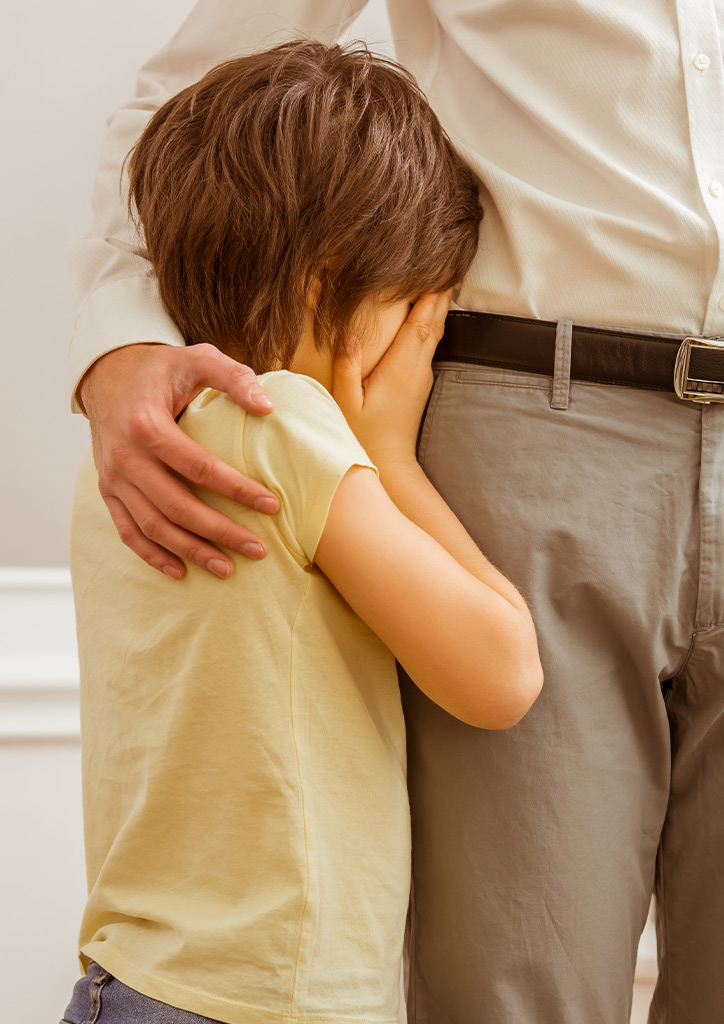
Separation anxietySeparation AnxietyDistress a young child feels when apart from a parent, usually peaking between about eight months and three years. Short goodbyes, a consistent routine, and a comfort item help, and usually happens when we’re separated by something or someone familiar. In most cases, it’s a small amount of stress. But for others, it takes some time. We can see separation anxietySeparation AnxietyDistress a young child feels when apart from a parent, usually peaking between about eight months and three years. Short goodbyes, a consistent routine, and a comfort item help, and in some kids who still cling to us before going into a new environment or suddenly become irritable when they do. Most of the time, separation anxietySeparation AnxietyDistress a young child feels when apart from a parent, usually peaking between about eight months and three years. Short goodbyes, a consistent routine, and a comfort item help, and shows up in kids in the form of stomach aches, headaches, fevers, and sometimes, paralysis.
Does separation anxietySeparation AnxietyDistress a young child feels when apart from a parent, usually peaking between about eight months and three years. Short goodbyes, a consistent routine, and a comfort item help, and happen to us, too, as parents? Yes, it does! But we know it more as Empty Nest Syndrome. While we want our kids to grow up independent, we sometimes start wishing to have more time with them. Coupled with our culture of being family-oriented, we’re easily more scandalized by the idea of our kids moving out. We even make the effort of buying a lot or house nearby so the distance isn’t so far.
How Do We Deal with It?
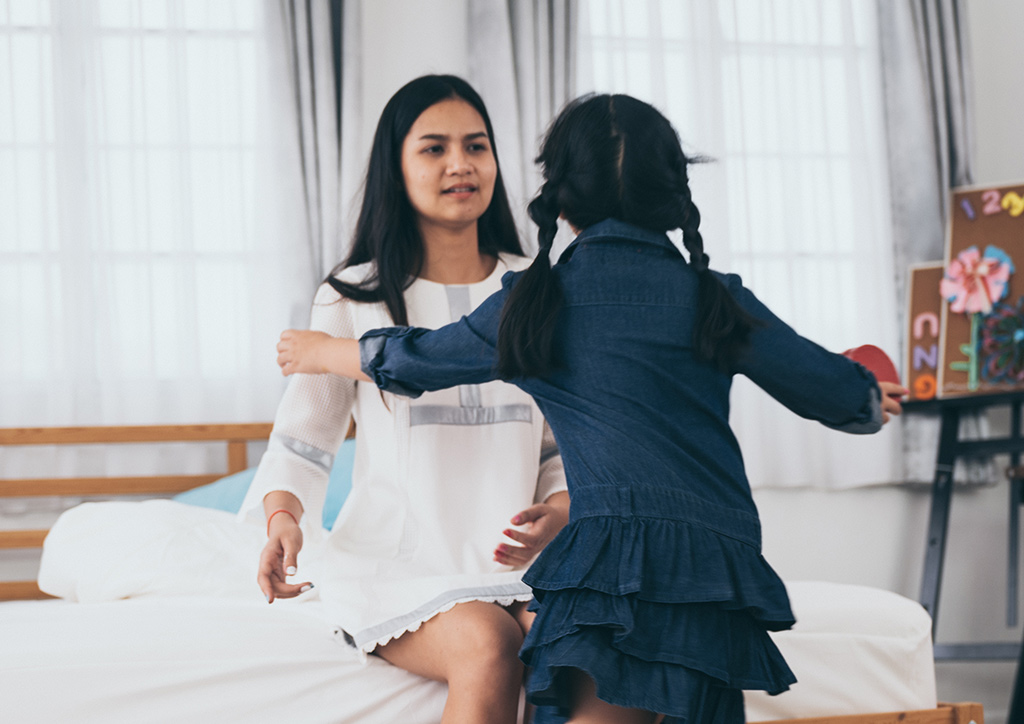
While we can’t fight off our worry, we have to accept that we can’t protect them from everything in the world. They’re bound to learn a few unsavory things sooner or later. But what we can do is show how we deal with those messy situations. Like if we’re in need of a break, it’s time to take a self-care check and make sure they know the reason why. Kids are a lot more perceptive than we take them for.

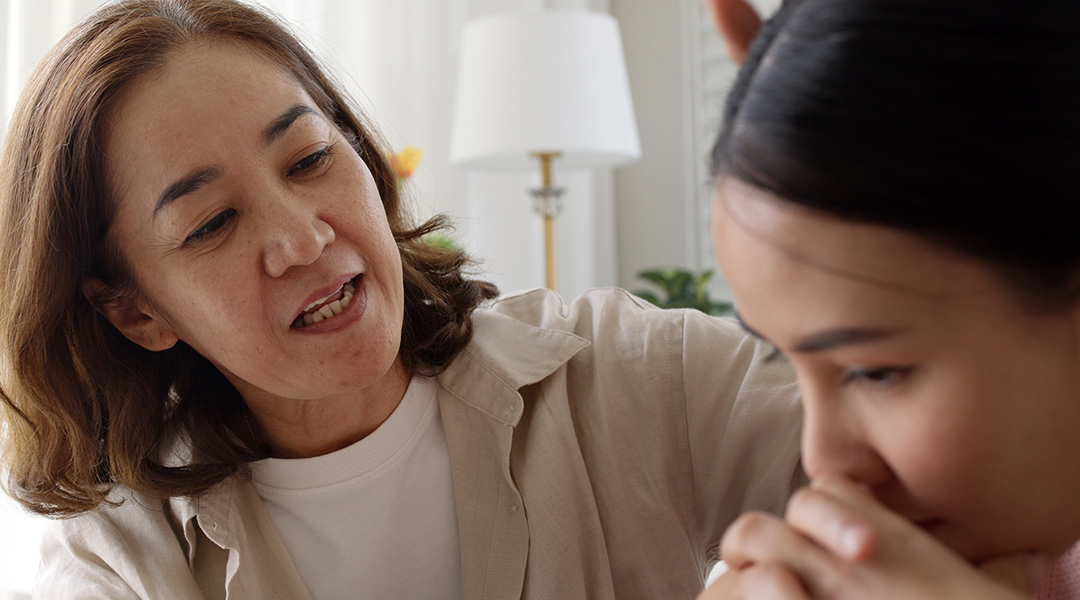
If separation anxietySeparation AnxietyDistress a young child feels when apart from a parent, usually peaking between about eight months and three years. Short goodbyes, a consistent routine, and a comfort item help, and shows up in our kids, try to address the issue or ask them how they feel about it. It usually happens before they enter a new environment. So talk to them about it. It’s here where we have to practice active listening — there’s no judgment, just letting them talk and asking more about it. By talking to our kids, the separation anxietySeparation AnxietyDistress a young child feels when apart from a parent, usually peaking between about eight months and three years. Short goodbyes, a consistent routine, and a comfort item help, and lessens and the transition will be a lot smoother. And when the time comes that they’ll have their own lives, we as their parents will have a smooth transition, too.
Love our stuff about mental healthMental HealthA person's emotional, psychological, and social well-being, which affects how children and parents think, feel, and cope. Open conversations, regular routines, and timely help from professionals make it easier for? Check out more of our stories!
The Silent Grief of an Early Miscarriage
How To Approach Mental Health with Kids
Down Syndrome Awareness: The Love and Compassion of Two Sisters