
Toddler Behavior: Normal vs. Professional Intervention



How do we know if our toddlers are behaving normally or need professional help?
One minute, your toddler is laughing over a spoon like it’s a treasure. The next, they’re screaming in a grocery aisle, refusing to wear socks, or suddenly going silent in a way that makes your stomach drop. And somewhere between exhaustion, embarrassment, and Google searches at midnight, every parent eventually asks the same quiet question: Is this still normal—or am I missing something important?
The truth is, toddler behavior can look chaotic even when it’s completely developmentally expected. But in a world where every symptom has a label online, it’s easy to confuse normal growing pains with something more serious. Here are some questions to help you figure out if your toddler is truly in trouble or being the tiny tyrant they are.
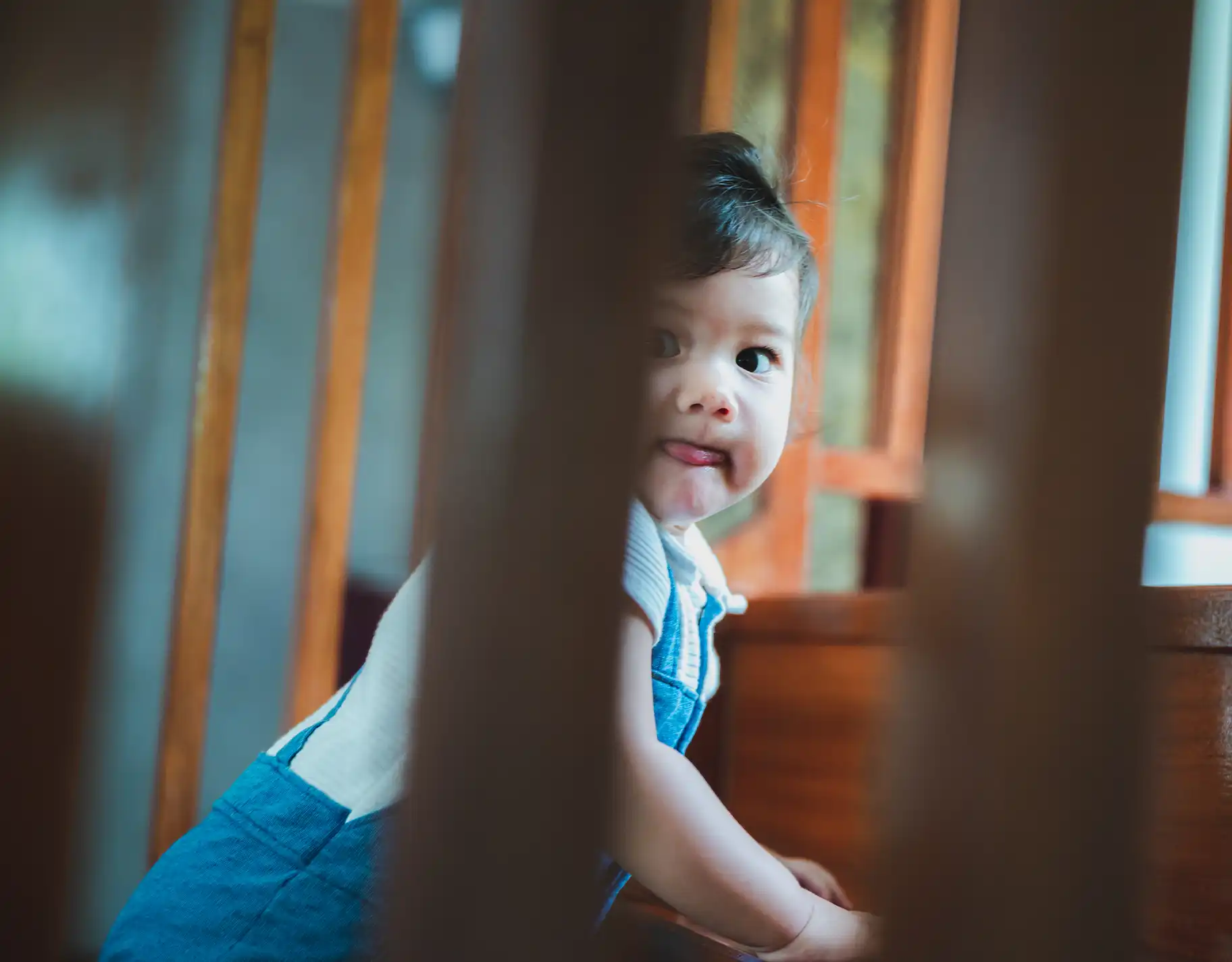
1. Is the behavior that extreme or do I feel it is?
Many behaviors that cause panic show up most in public settings—where pressure, judgment, and embarrassment are highest. In the Philippines, especially, parenting is often observed socially before it is understood developmentally.
Picky eating, biting, hitting, tantrumsTantrumsSudden outbursts of crying, screaming, or flailing, common in toddlers who cannot yet express big feelings. Staying calm, keeping the child safe, and talking afterward help, and clear routines and, shyness, or speech differences often get labeled too quickly because they are visible and disruptive—not because they are automatically abnormal.
What looks like “bad behavior” is often a child still learning how to communicate, regulate emotions, and adapt to expectations they don’t fully understand yet.
2. Is there anything physical making them behave that way?
Common concerns include:
- Tantrums in public or at home
- Picky eating or food refusal
- Hitting or biting
- Speech delays or being very quiet
- Shyness or social withdrawal
- Difficulty following instructions
These behaviors can look similar on the surface, but they often come from different developmental needs: communication limits, emotional overwhelm, curiosity, or sensory overload.
3. Is it a tantrum, meltdown, or plain old frustration?
From a parent’s perspective, these can look identical in the moment.
A practical way to understand them:
- Tantrums often involve boundary-setting (“I want this, and I’m saying no is unacceptable”)
- Frustration is usually linked to a specific object or task (like a toy or an inability to do something)
- Meltdown-like behavior may appear without a clear trigger and reflects emotional overload that a child cannot express
The challenge is that toddlers cannot clearly explain what they feel. Parents are left interpreting signals in real time while managing their own emotions, too.
There is no perfect decoding system. Observation over time matters more than a single incident.
4. Is their life getting harder than it should be despite their trying?
Not all differences require intervention—but patterns that affect daily functioning deserve attention.
Consider seeking professional guidance if:
- Behavior consistently disrupts daily routines (sleep, eating, hygiene, school readiness)
- Communication delays persist or worsen over time
- The child shows ongoing distress or frustration that affects physical or emotional well-being
- Social, learning, or developmental skills are significantly behind expectations for their age
Importantly, delays or differences in speech, reading, or numeracy do not automatically indicate one condition. Some children may simply process language, numbers, or information differently.
The key is not labels—it’s function and distress over time.
5. Can they keep up with the other kids?
Children do not develop in a straight line. Some are early readers. Others are highly social but struggle with numbers or language patterns. Some are quiet observers. Others are constantly in motion.
Developmental differences can be influenced by many factors, including environment, learning style, and individual temperament.
The goal is not to force every child into the same timeline, but to understand how they learn best—and where support may help.
6. Does this toddler online think like mine?
We can watch every parenting reel on social media, dig through every parenting trend, and read every parenting book in existence, but we’ll still boil down to the same answer: toddlers do not come with a manual and no two toddlers are alike.
Parenting is often trial and error:
- What works today may not work tomorrow
- What works for one child may fail for another
The most effective approach is not perfection—it’s responsiveness. Adjusting based on what your child needs in real time.
7. Can we figure this out ourselves?
Whenever a toddler misbehaves, parents are quick to ask: Will this affect their future?
Parents often think far ahead—school, friendships, independenceIndependenceA child's growing ability to do things alone, from dressing and eating to making choices and solving problems. Parents encourage it by assigning age-appropriate tasks, allowing safe mistakes, and praising, adulthood. That instinct is natural. But it can also turn normal moments into overwhelming worry.
Not every behavior is a long-term prediction. Some are temporary phases of development. Others may benefit from early support. Both possibilities are normal parts of parenting.
What matters most is consistent observation, patience, and willingness to seek help when patterns persist.
Frequently Asked Questions
No. Tantrums are a normal part of emotional development in toddlers.
When, despite the many home interventions, the toddler still struggles and doesn’t hit certain milestones.
Not usually. It is common in toddler development unless it severely affects nutrition or growth.
No. Shyness is often a temperament, not a developmental delay. Some even say it’s a form of introversion which some consider “genetic.”
When behaviors consistently interfere with daily life, learning, or emotional well-being.
More about toddlers
How to Handle Toddler Tantrums
Parents’ Choice Awards 2025: Baby & Toddler Feeding
7 Toddler-Friendly Countries to Visit in Asia