Filipino Folklore Kids Should Know Even in the Age of AI



Before kids ask AI about mythical creatures, give them folklore that have lived in Filipino imagination for generations.
Kids today can ask AI almost anything—but that makes it even more important to know the stories that came before the algorithm. After all, much of the content (whether creators want to admit it or not), are born from folklore.
Filipinos are known for our many legends, or alamat, alongside folktales, epics, and stories about supernatural beings. The Philippines has a wonderfully fragmented collection of folklore, shaped by different regions, languages, and communities. That can make finding authentic versions tricky, but it is hardly a reason to stop searching.
Parents can start with child-friendly books and retellings. Adarna House is one of the more popular publishing houses known for bringing Philippine folklore to young readers, while older and more academic versions can often be found in literary anthologies from publishers such as Phoenix Publishing House.
And don’t be surprised when two versions of the same story differ. Filipino artists and writers continue to modernize these folklores, helping preserve them for another generation.
Folklore Kids Need To Know
Here are 10 Filipino folktales and legends worth exploring with kids:
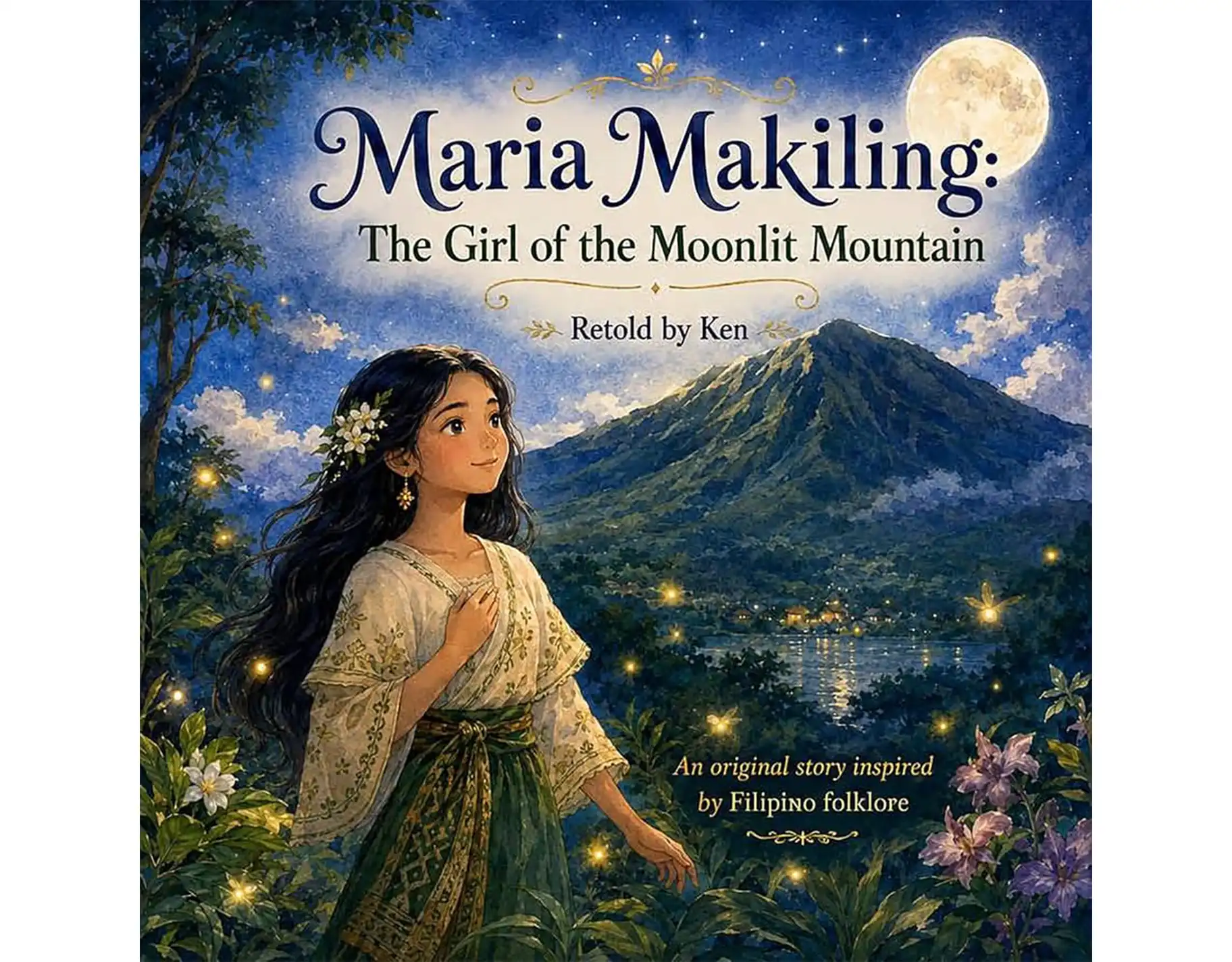
1. Maria Makiling — The Mysterious Diwata of Mount Makiling
Maria Makiling is one of the most beloved figures in Philippine mythology, often described as a beautiful and kind diwata who protects Mount Makiling and its surrounding forests. Stories about her usually highlight her generosity toward farmers, travelers, and villagers who respect nature and the mountain. However, she is also known to withdraw her blessings when people become greedy, disrespectful, or destructive toward the environment. Over time, Maria Makiling has become a symbol of nature’s balance—gentle and giving, but also powerful and protective. Her legend teaches children the importance of caring for the environment and recognizing that nature deserves respect, not exploitation.
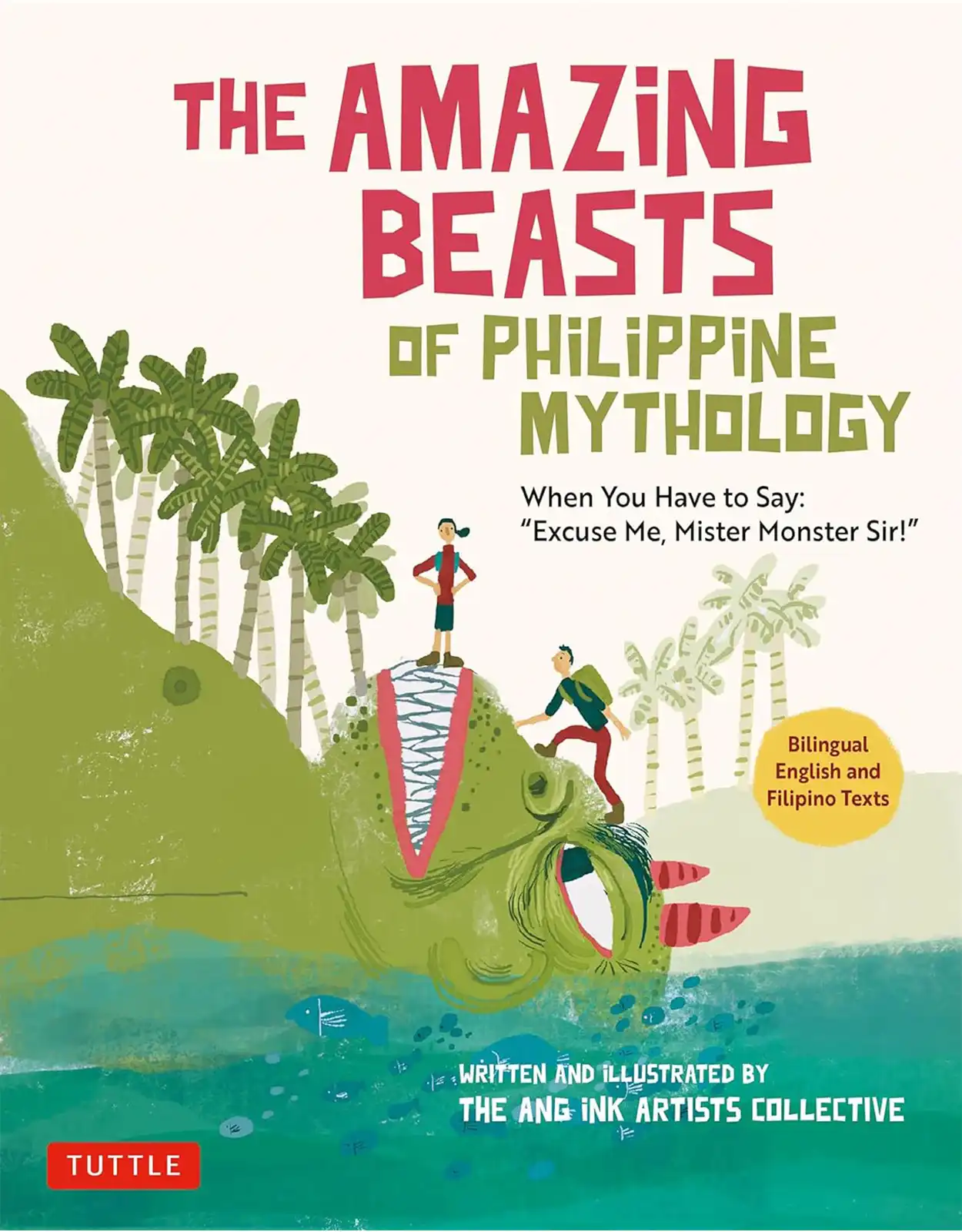
2. The Amazing Beasts of Philippine Mythology: When You Have to Say: Excuse Me, Mister Monster Sir!
While this is a modern illustrated book by The Ang Ink Artists Collective, it introduces children to the wide and often surprising world of Philippine mythical creatures. Instead of presenting monsters as purely frightening beings, it reimagines them in a playful and approachable way, making it easier for young readers to understand folklore without fear. The book features creatures like the aswang, kapre, tikbalang, and other beings from regional stories, each presented with humor and creativity.
By blending art, storytelling, and cultural education, it helps children appreciate that these “monsters” are part of a rich tradition of imagination that reflects Filipino beliefs, fears, and values across generations.
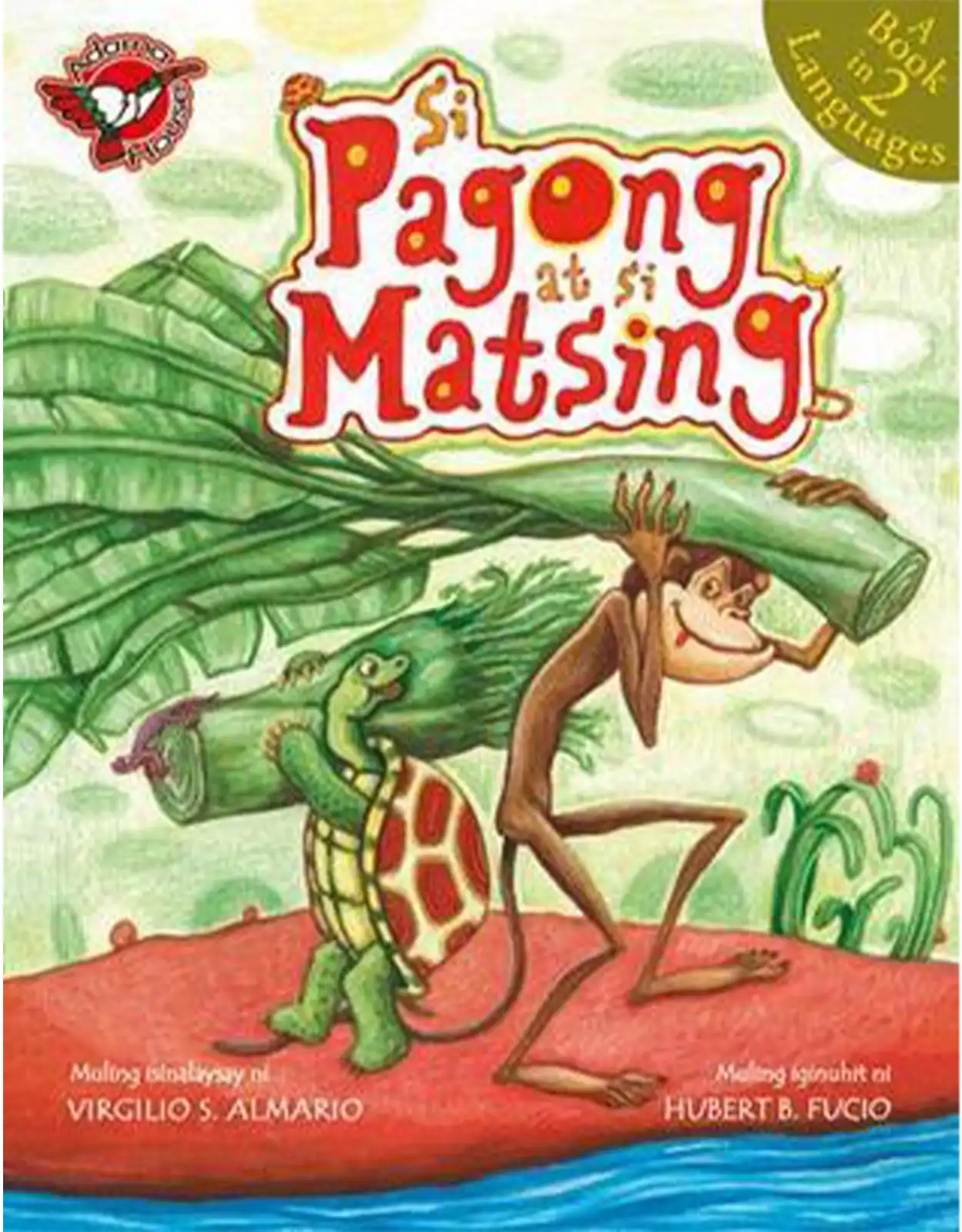
3. Ang Pagong at ang Matsing (The Turtle and the Monkey)
This classic Filipino folktale tells the story of a turtle and a monkey who find a banana plant and decide to share it. However, the monkey’s greed leads him to take advantage of the turtle, planting the banana in a way that benefits him more. The turtle, though slow, uses intelligence and patience to outsmart the monkey in the end. The story is often retold in different regions, but its core message remains the same: intelligence and fairness matter more than strength or speed. It also teaches children about the consequences of selfishness and the importance of treating others with honesty and respect.
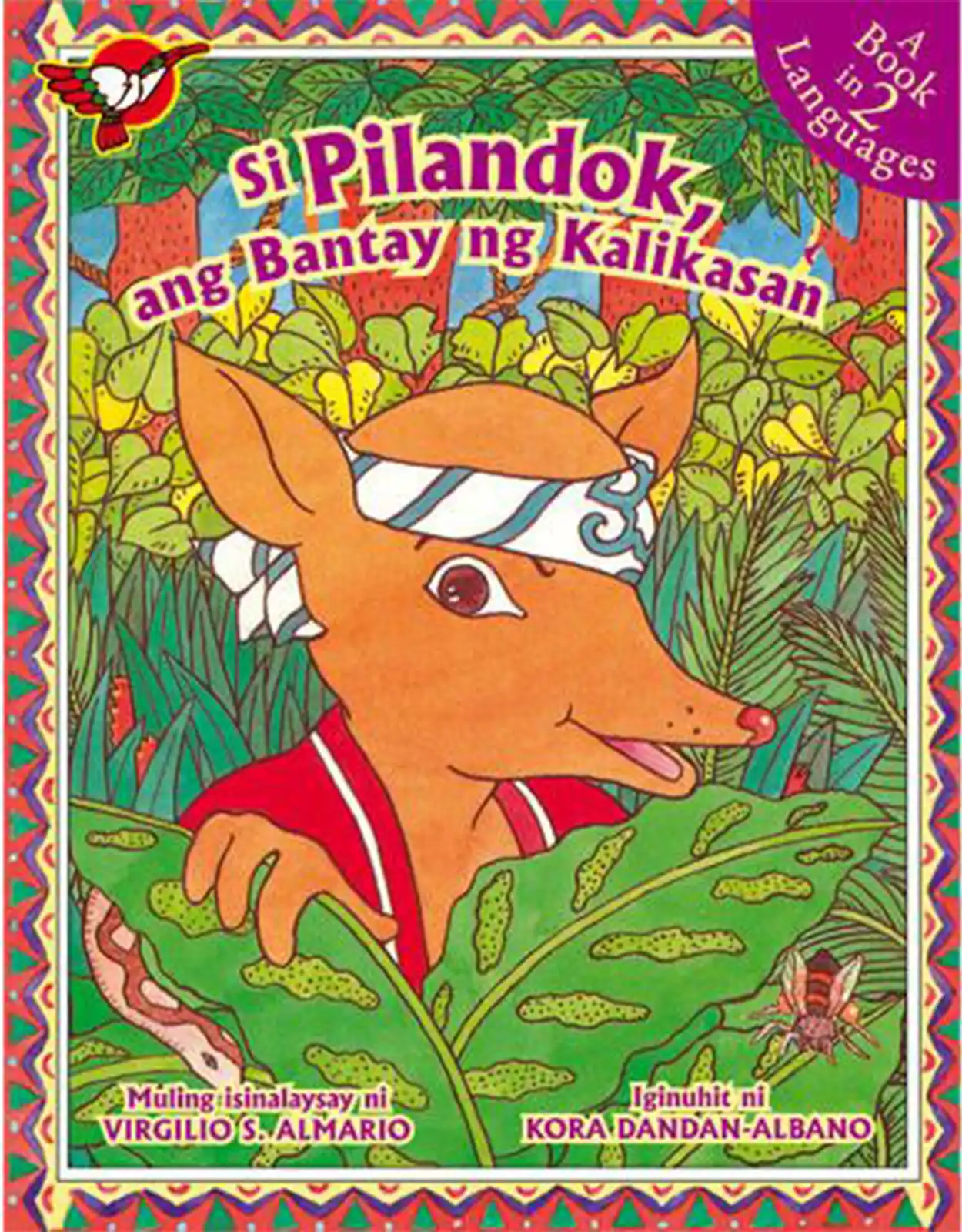
4. Pilandok — The Clever Trickster of Filipino Folklore
Pilandok is a well-known trickster character in Filipino folklore, often depicted as a small, deer-like creature who uses wit and cleverness to survive difficult situations. Unlike heroes who rely on strength, Pilandok succeeds through intelligence, quick thinking, and sometimes playful deception. His stories vary across regions, but they often involve him outsmarting powerful figures such as kings, giants, or greedy neighbors. While his tricks can be humorous, they also carry lessons about resourcefulness and the importance of thinking before acting. Pilandok’s tales remind children that intelligence can be a powerful tool, especially when used to overcome unfair or challenging circumstances.
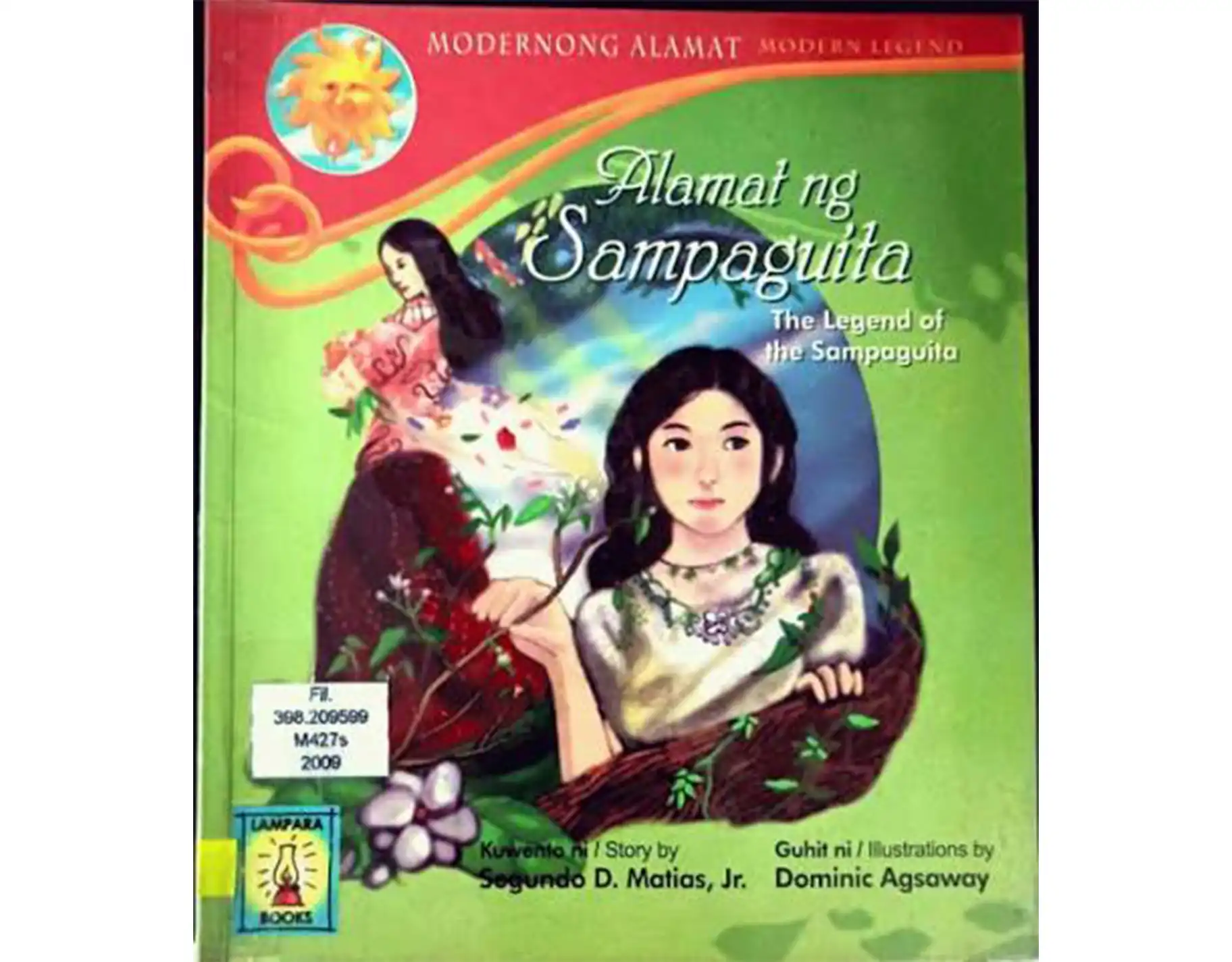
5. The Legend of the Sampaguita
The legend of the sampaguita flower is a touching alamat that often centers on themes of love, loyalty, and remembrance. In many versions, the story follows a young couple whose love is tested by separation or tragedy, with the sampaguita flower emerging as a symbol of their enduring bond. Its small, white blossoms and sweet fragrance are often interpreted as representations of purity and devotion. Over time, the sampaguita has become the national flower of the Philippines, making its legend even more meaningful in Filipino culture. For kids, this folklore helps connect natural beauty with emotional values like love, memory, and commitment.
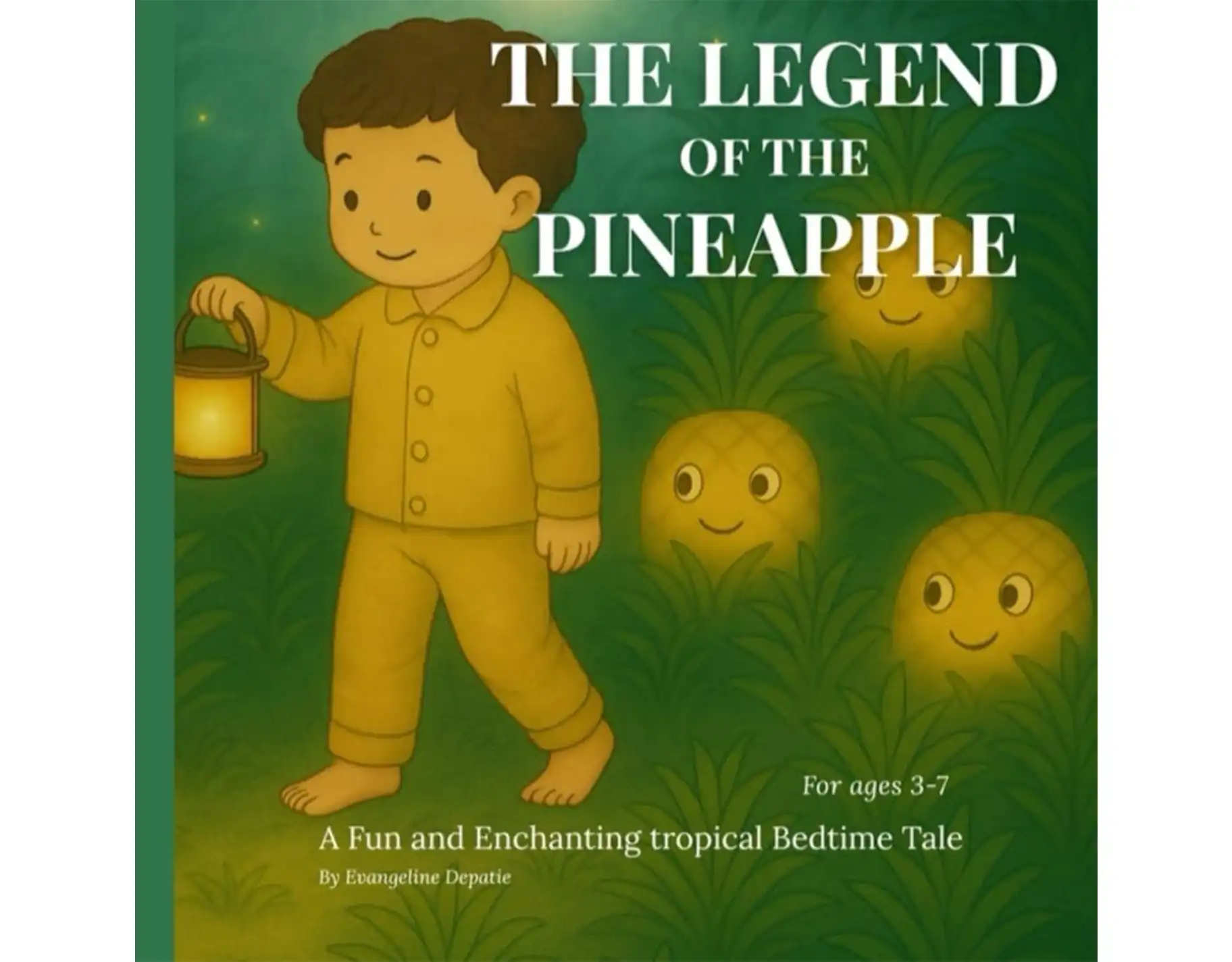
6. The Legend of the Pineapple
This popular Filipino folktale is often used to teach children about responsibility and attentiveness. It usually tells the story of a young girl who is lazy or inattentive when asked to do simple tasks, such as looking after a pot of boiling water. Because of her carelessness, she is transformed into the pineapple, a fruit with many “eyes” that symbolize constant watching. While the story may sound humorous or even strange, it carries a clear moral lesson about the importance of being responsible and mindful in everyday tasks. It also reflects how traditional stories use imagination to teach values in a way children can easily remember.
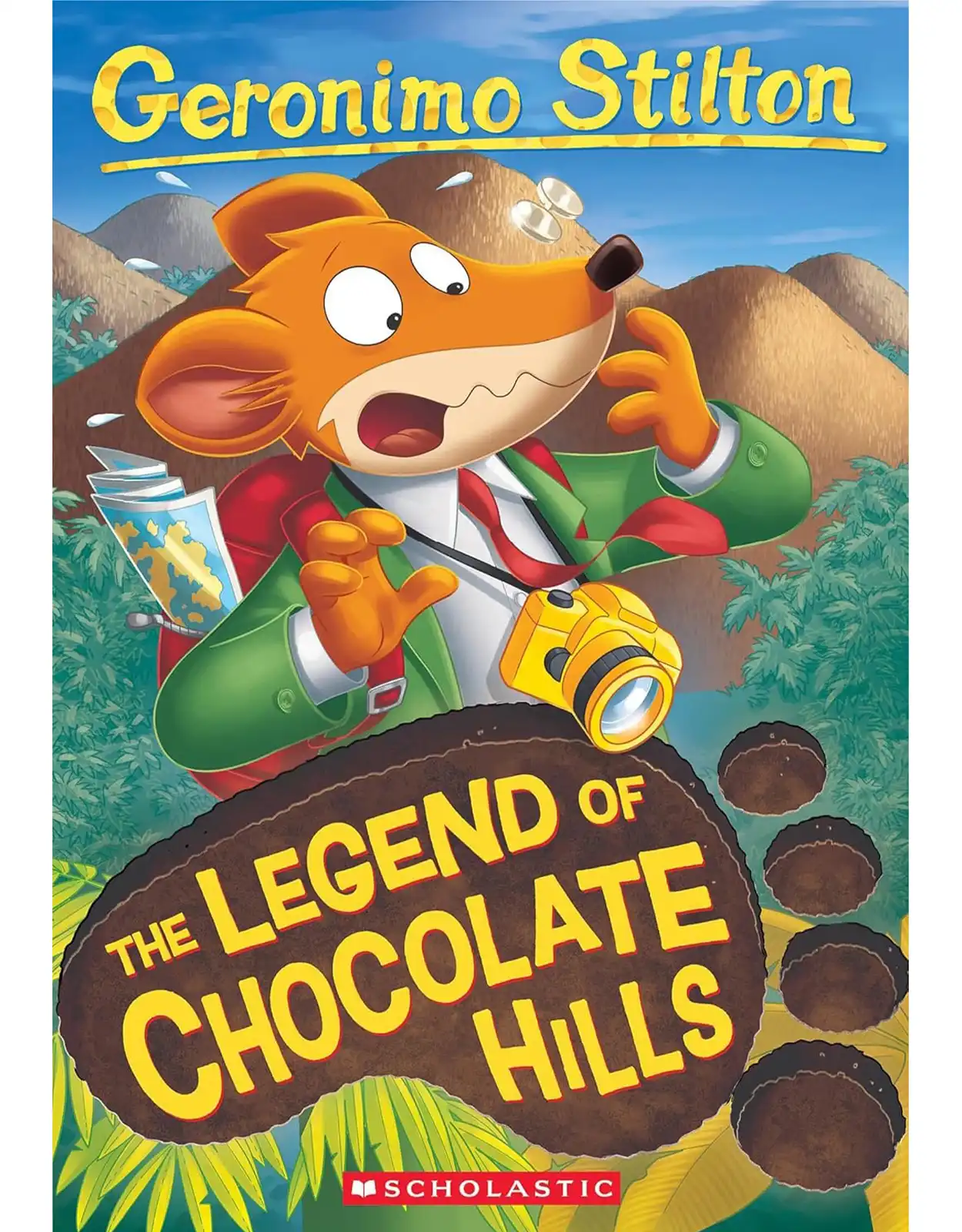
7. The Legend of the Chocolate Hills
The Chocolate Hills of Bohol are one of the Philippines’ most famous natural landmarks, and their origin is explained through several folk stories. One popular version tells of two giants who fought for days, throwing rocks and boulders at each other until they became exhausted. The hills are said to be the remnants of their battle. Another version involves a heartbroken giant whose tears formed the hills. While science explains the formation differently, the legend adds emotional depth and cultural meaning to the landscape. For children, it shows how people use storytelling to make sense of natural wonders and connect them to human experiences.
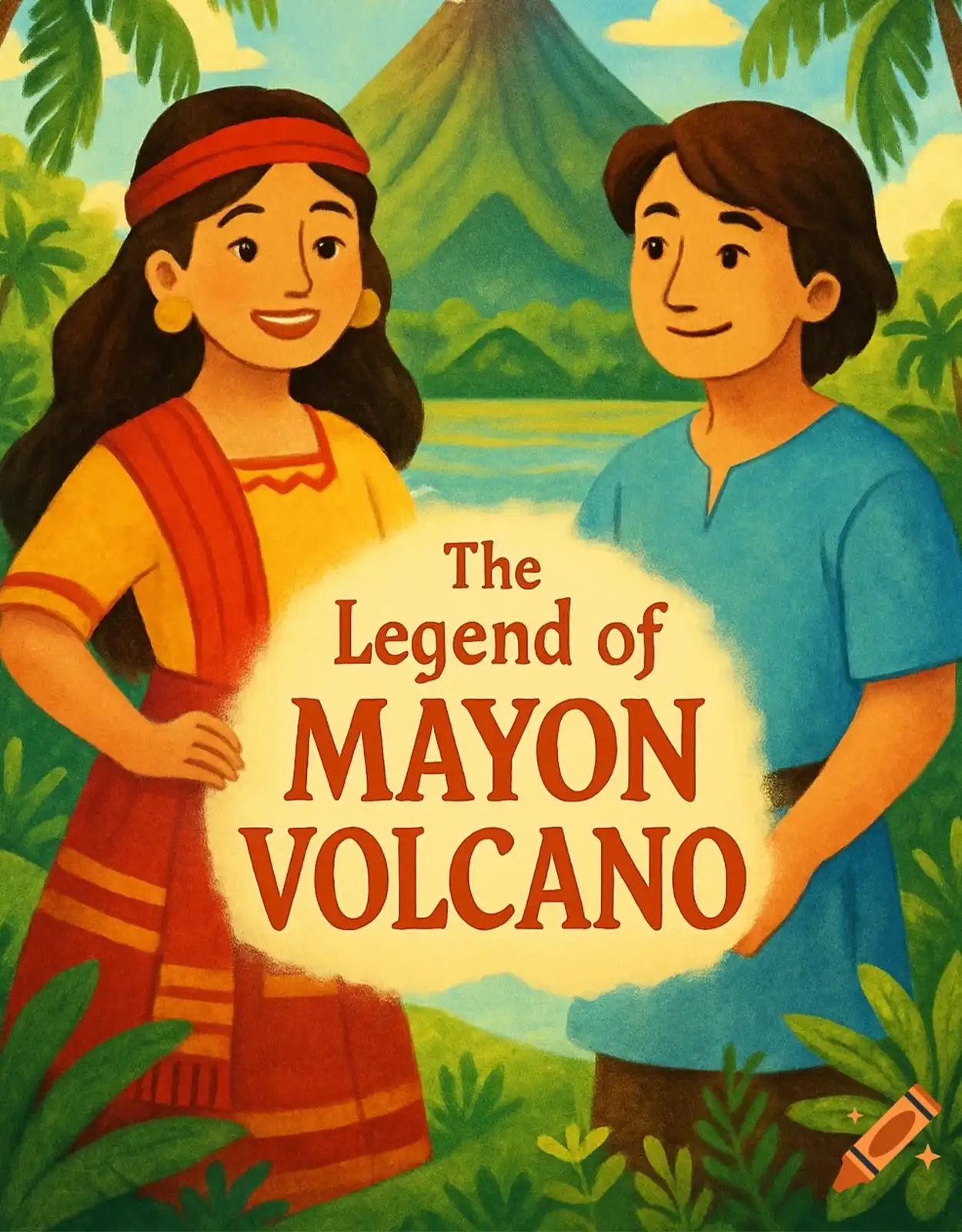
8. The Legend of Mayon Volcano
The legend of Mayon Volcano is a tragic love story that explains the near-perfect cone shape of this iconic mountain in Albay. In many versions, it tells of a beautiful maiden named Daragang Magayon and her forbidden love, which leads to conflict, loss, and ultimately tragedy. The volcano is said to represent her resting place, with its eruptions symbolizing her enduring emotions. This alamat is one of the most well-known in the Philippines because it combines natural beauty with deep emotional storytelling. For children, it introduces the idea that landscapes can carry stories, memories, and cultural significance beyond their physical appearance.
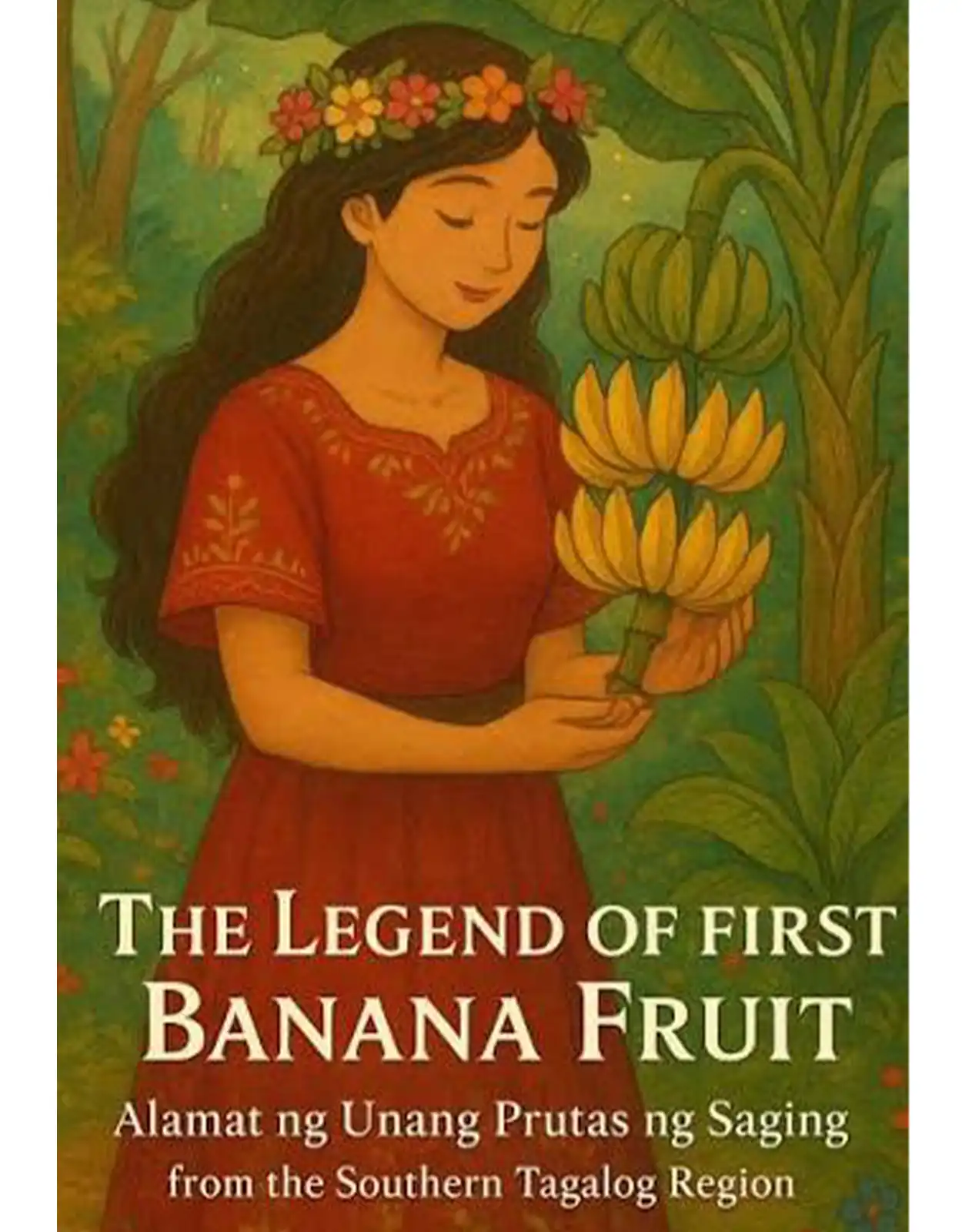
9. The Legend of the Banana
The legend of the banana is another traditional alamat that teaches lessons about obedience, gratitude, and responsibility. In many versions, a child or young person fails to follow instructions from a parent or elder, leading to a transformation into a banana plant. The fruit’s shape and features are often explained as reminders of the character’s actions. While the story is simple, it reflects important cultural values about respecting guidance and learning from mistakes. It also shows how Filipino folklore often uses everyday objects like fruits to communicate moral lessons in a memorable and imaginative way for children.
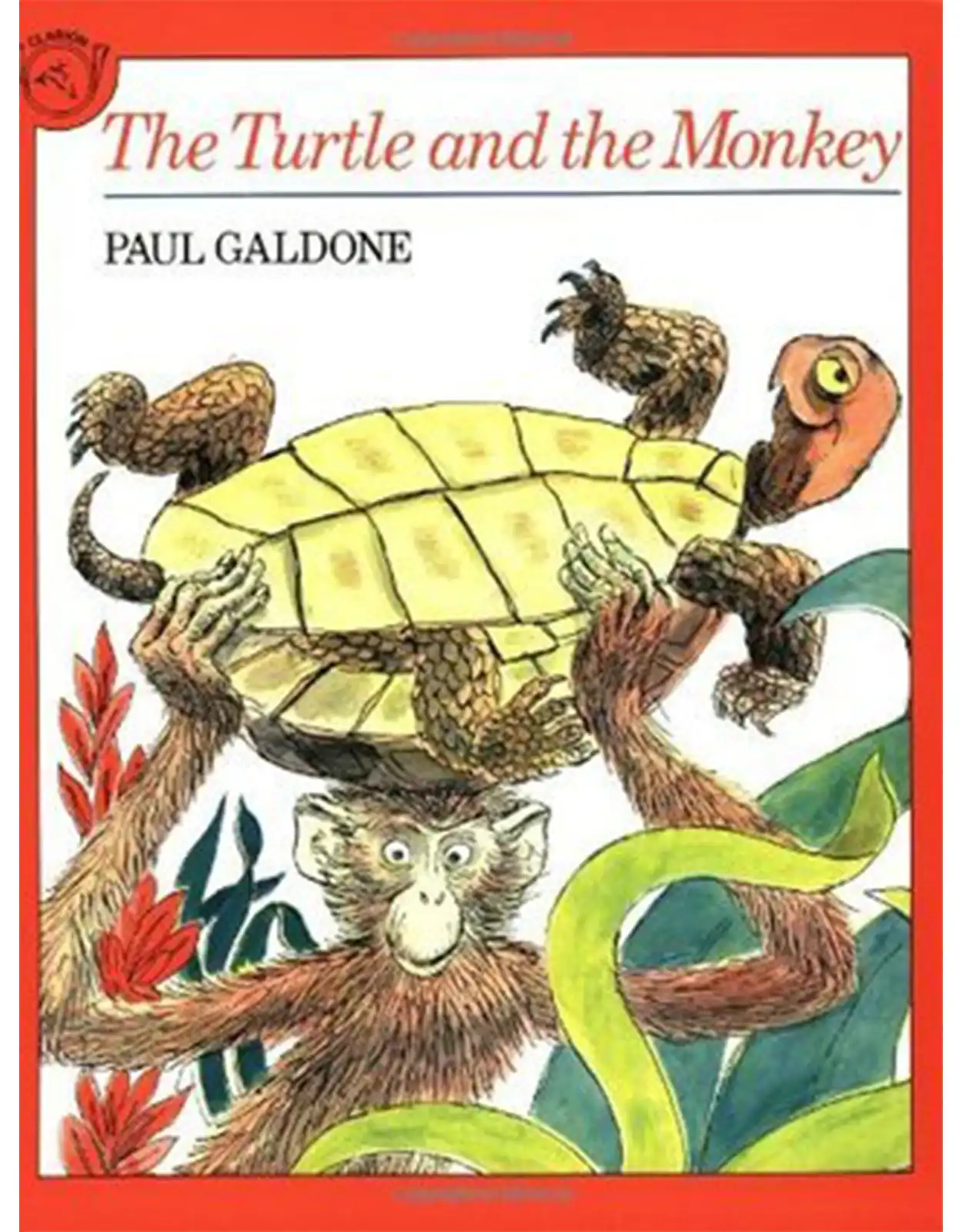
10. The Monkey and the Turtle
The Monkey and the Turtle is a widely known folktale in the Philippines, with many regional variations that highlight humor, cleverness, and moral lessons. In the story, the monkey often tries to take advantage of the turtle, but the turtle uses patience and intelligence to turn the situation around. The tale usually ends with the monkey facing the consequences of his greed or dishonesty. What makes this story especially engaging is its playful tone and relatable characters, which children can easily understand. It teaches that trickery may offer short-term gain, but fairness, patience, and wisdom ultimately lead to better outcomes.
The Beauty of Magic That’s Found Only in Filipino Folklore
Filipino folklore does more than introduce kids to diwata, engkanto, aswang, and other mythical beings. It gives them a way to understand Filipino ideas about family, nature, cleverness, consequences, and community.
The magic is also in the variety. A story from Luzon may sound completely different from one from the Visayas or Mindanao. Some tales have frightening creatures; others have talking animals, enchanted mountains, magical kingdoms, or mischievous heroes.
So let kids encounter the stories in different forms. Read a classic version, then find a modern retelling. Ask what changed—and why.
In an age when AI can generate a story in seconds, Filipino folklore reminds children that some stories are valuable precisely because generations of people kept telling them.
Frequently Asked Questions
It includes traditional legends, folktales, myths, epics, supernatural stories, and oral traditions from communities across the Philippines.
Start with accessible stories such as Pilandok, Ang Pagong at ang Matsing, and Maria Makiling.
Many were passed down orally across different regions and communities, so interpretations naturally vary. But interpretations are rarely wrong—just a little different.
Look for child-friendly collections and retellings from publishers such as Adarna House, as well as library and bookstore anthologies.
These stories connect children with Filipino culture, imagination, values, history, language, and local traditions.
More about books for kids?
10 Classic Books That Our Boys And His Friends May Love
Books for Boys: Beyond Harry Potter, Percy Jackson, etc.
6 Classic Books Every Kid Should Read and Enjoy Now