For Every Breadwinner: Why Endo Feels All Too Real



The play, based on the 2007 movie reminds many the hardships faced today by those in the workforce
Work today doesn’t look like it used to—and for many Filipino families, stability can feel just out of reach. That’s exactly what Endo, the stage adaptation of the 2007 film, captures so powerfully.
Now running at the Philippine Educational Theater Association (PETA) Theater Center, the play reintroduces audiences to a reality many parents and breadwinners quietly navigate: piecing together multiple jobs to get by.
More than just a retelling, this version of Endo leans into the lived experiences of today’s gig workers—those constantly in between contracts, roles, and dreams. And in doing so, it becomes more than a play. It becomes a mirror.
Here’s why it’s worth watching, especially for those raising families while trying to stay afloat.
It reflects the struggles of modern-day breadwinners
We often talk about “hustle culture” like it’s a choice—but for many, it’s survival.
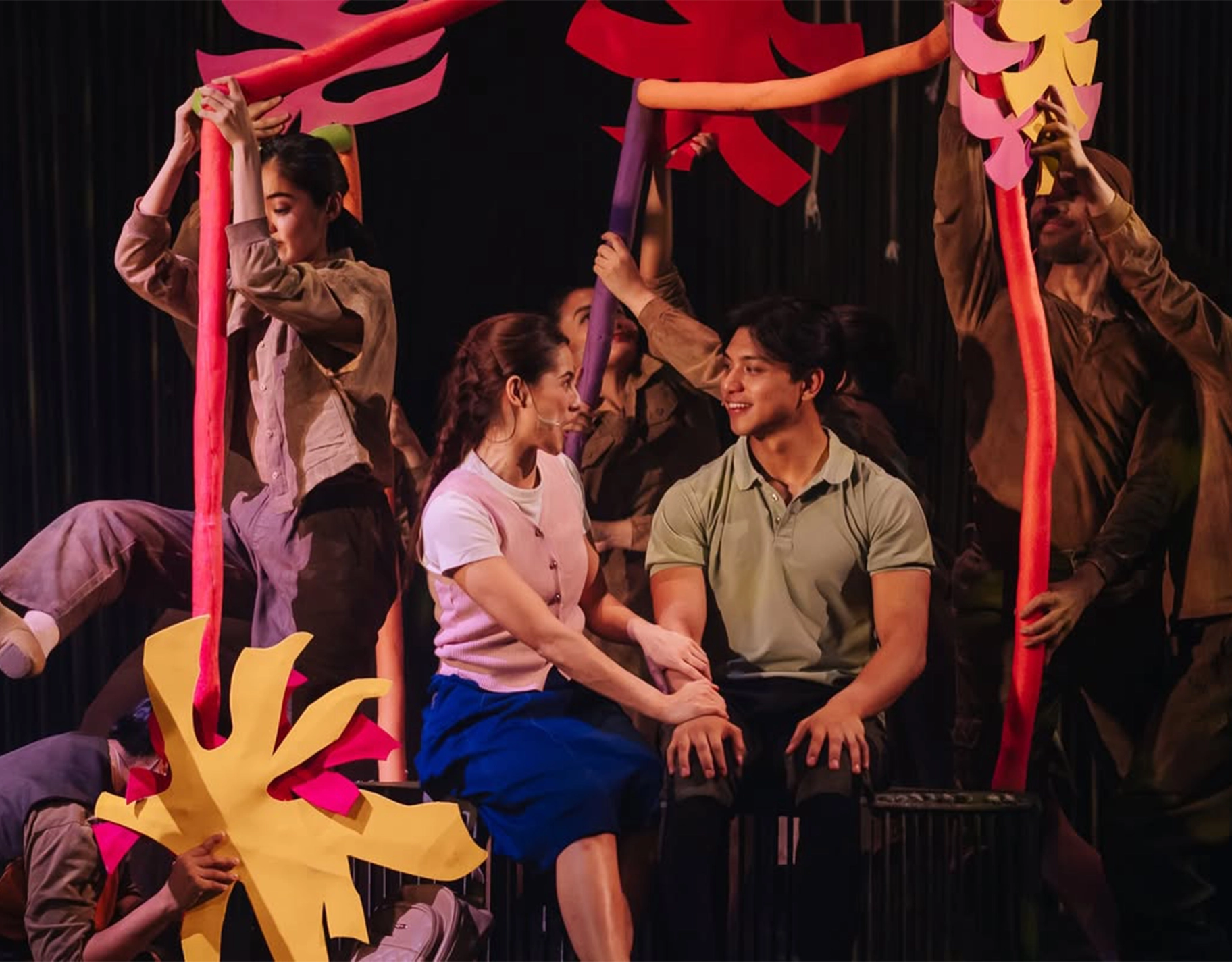
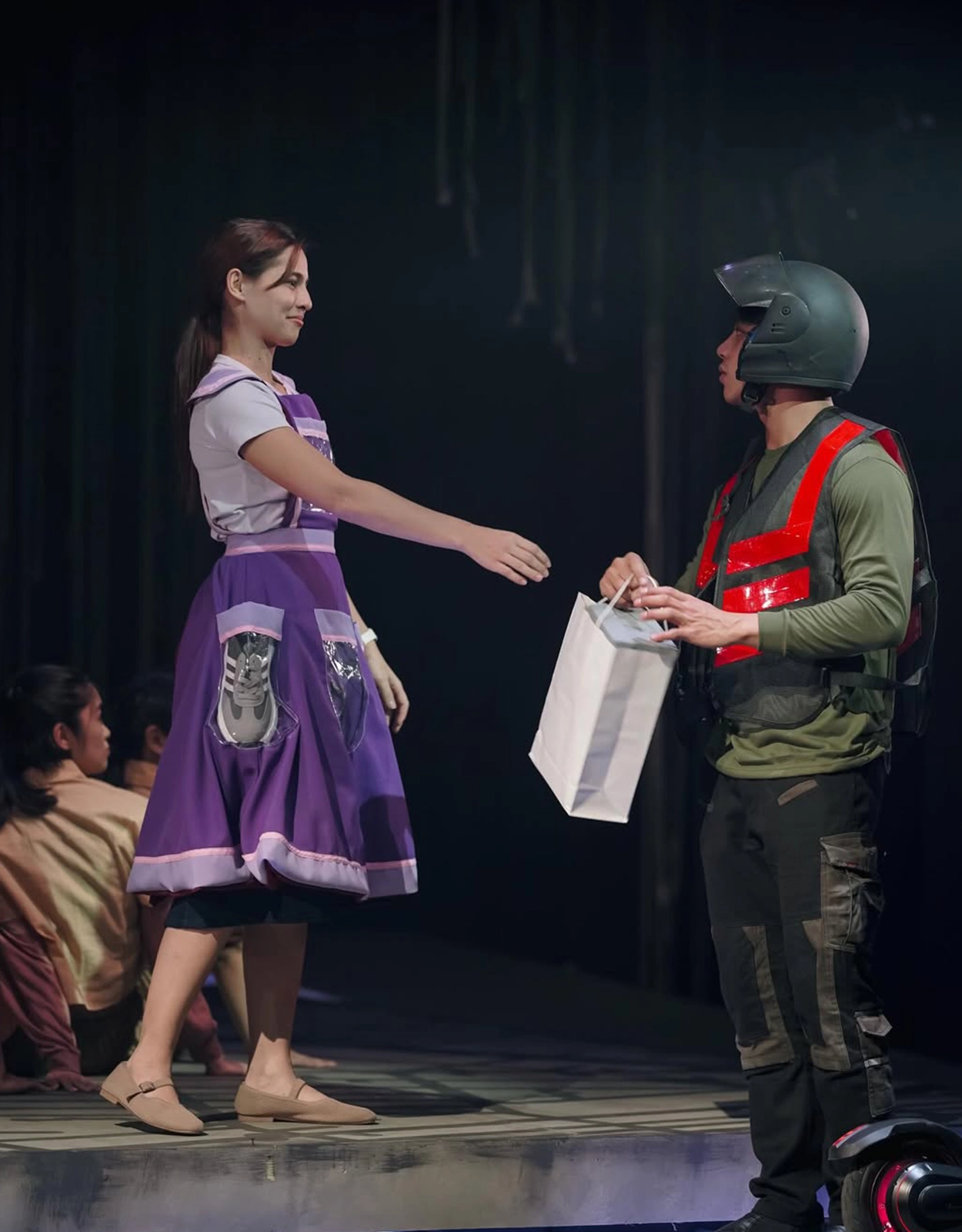
Leo’s story hits home for many. From delivery rider to security guard to masseuse, he takes on whatever work comes his way to provide for his family. But the exhaustion isn’t just physical—it seeps into his relationships, his sense of self, even his ability to dream.
Tanya’s journey feels just as familiar. She juggles online selling and tutoring while studying German, holding onto the hope of becoming a nurse abroad. It’s the kind of long game many parents know all too well: sacrificing today for a chance at something better tomorrow.
And then there’s Candy, who chooses a different path—one that reflects the pressures of chasing financial security in a world that often rewards visibility over stability.
Together, their stories echo what many parents experience: the constant balancing act between providing, surviving, and still hoping.
It uses movement to say what words can’t
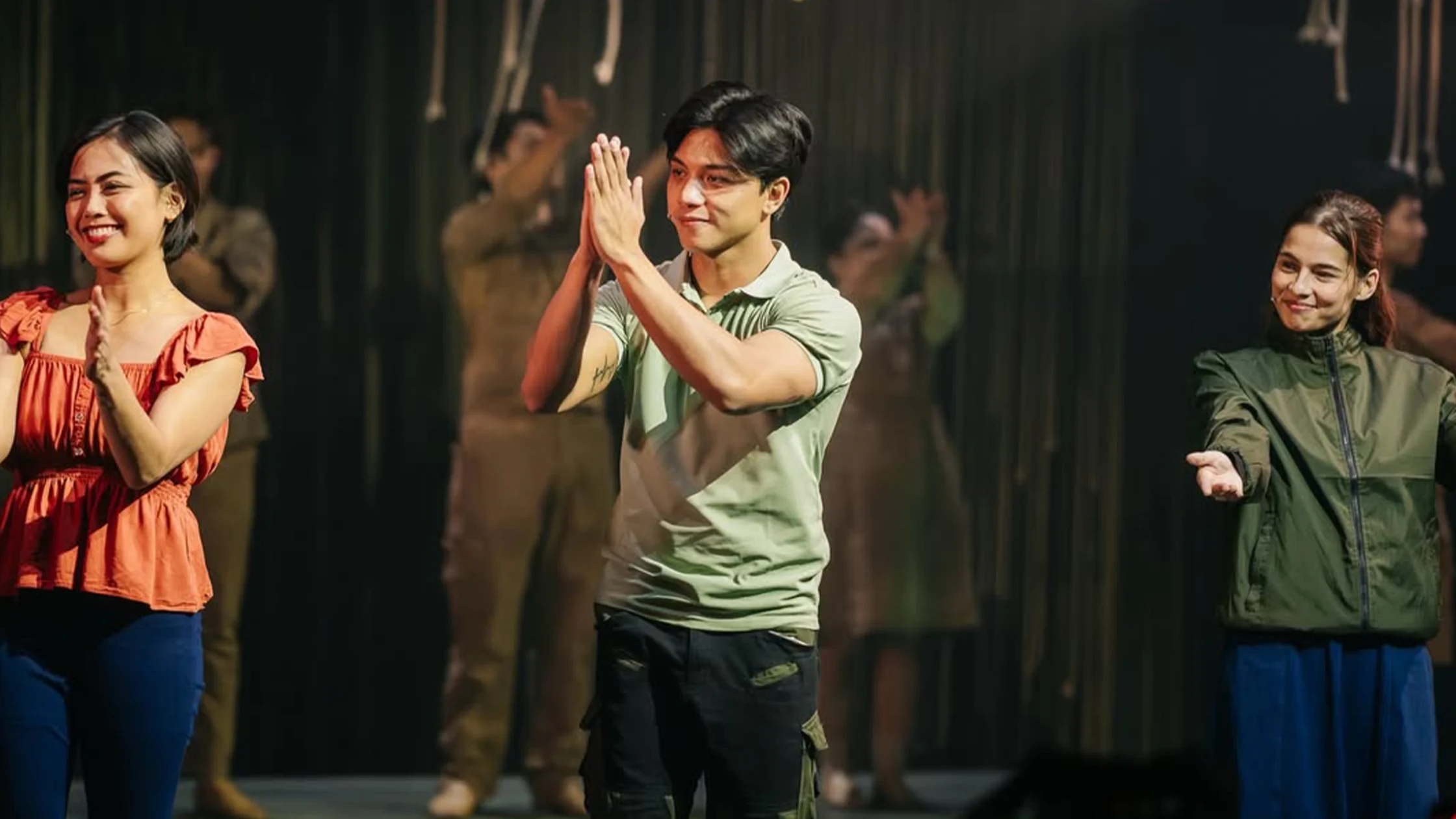
One of the most striking elements of the play is its use of dance and physical storytelling.
There are moments when dialogue takes a backseat, and the actors’ bodies carry the weight of the narrative—whether it’s intimacy, conflict, or longing. With minimal props and creative use of fabric, the scenes feel raw and deeply human.
It’s a reminder that sometimes, the hardest parts of our lives aren’t easily explained—but they can be felt.
It highlights the weight of everyday choices
One of the issues Endo dives into is about decisions—and what they cost us.
Leo wants love. Tanya wants a future. And sometimes, those two things don’t align.
When Tanya chooses to pursue her dream abroad, it’s not framed as selfish—it’s honest. It reflects a truth many women, especially mothers and daughters, are beginning to embrace: that choosing yourself is not a failure. It’s an act of courage.
For parents watching, it hits differently because every decision—whether it’s taking another job, staying, leaving, or starting over—comes with trade-offs that affect not just you, but your family.
It gives voice to the gig community
More than anything, Endo feels like a love letter to workers who often go unseen.
It doesn’t romanticize the grind. Instead, it lays bare the instability, the resilience, and the dignity of those doing everything they can for the people they love.
For parents raising children in this reality, the play becomes a conversation starter. It invites empathy, awareness, and hopefully, a deeper understanding of why decent, stable work matters—not just for individuals, but for families as a whole.
In a time when many households are redefining what “providing” looks like, Endo reminds us that behind every job—no matter how temporary—is a person trying to build something lasting.
Tickets for Endo are available via Ticket2Me, with prices ranging from ₱1,600 to ₱2,700.
Frequently Asked Questions
Endo follows the lives of workers navigating contractual and gig-based jobs, highlighting how unstable employment affects their relationships, dreams, and responsibilities to family.
It reflects the real-life challenges many parents face—juggling multiple jobs, making sacrifices, and trying to provide stability despite uncertain work conditions.
This stage version leans more into the gig economy, showing how modern workers move from one job to another, making it more relatable to today’s audience.
It touches on job insecurity, ambition, love, sacrifice, and the emotional toll of constantly choosing between personal dreams and family needs.
Because it reflects a shared reality—many Filipinos work multiple jobs or contracts to support their families, making the story both personal and timely.
More on theatre production news
Karylle Joins Charlie and the Chocolate Factory Manila as Mrs. Bucket
Ateneo Blue Repertory Stages The Addams Family Musical
Ang Kaliitan ng Kasalukuyan: A Powerful Story Every Family Will Relate To