What Parents Can Learn From Ian de Leon’s Interview With Rico Hizon



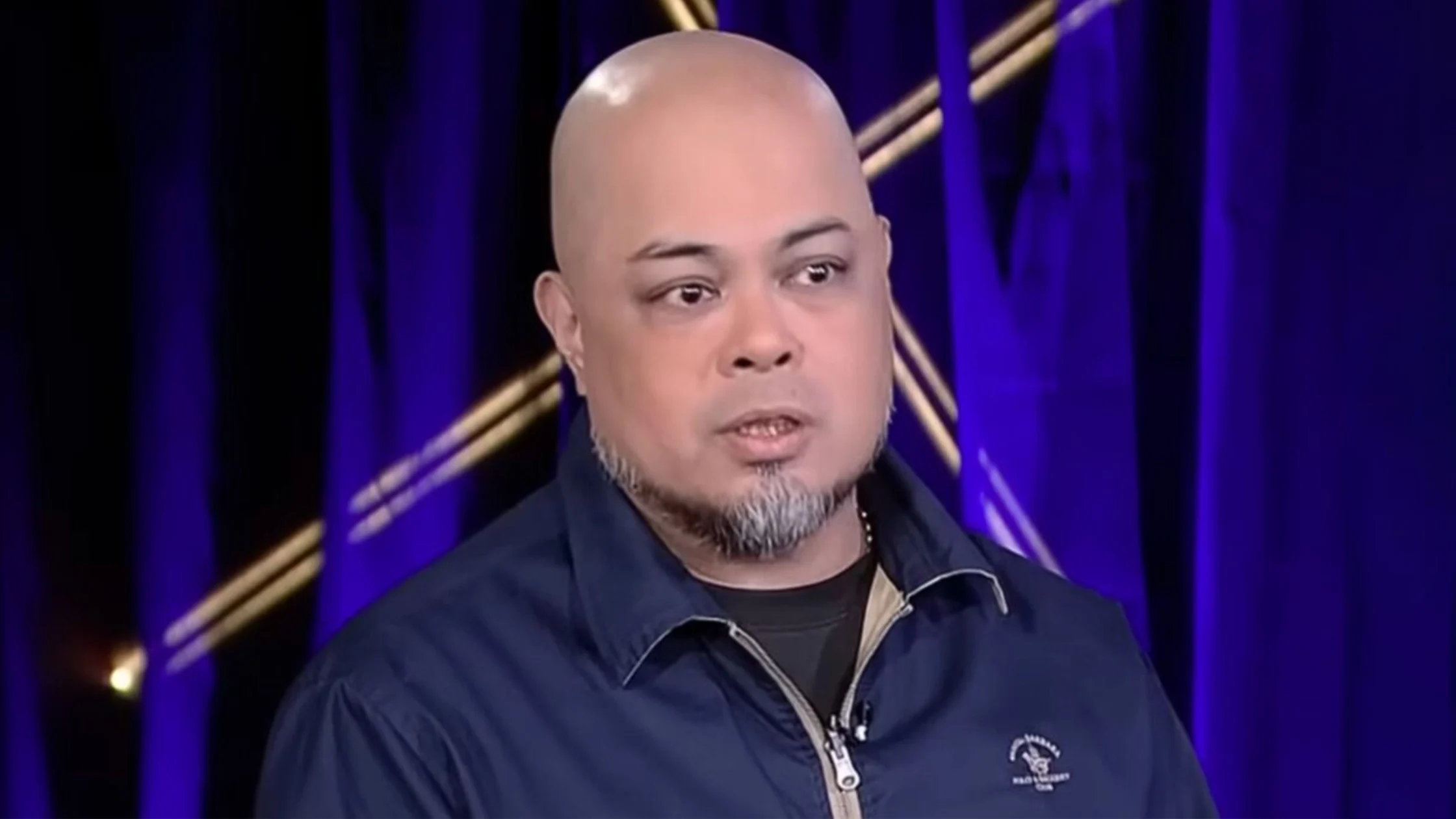
During a sitdown with Rico Hizon on ANC’s “Beyond The Exchange,” Ian de Leon reveals how he intends to handle his mom, Nora Aunor’s, legacy
Filipinos never really liked talking about money with family. For many, it may trigger unresolved resentment from the utang. Others feel it reduces family relations to transactions. Unfortunately, those perceptions are why many families break apart. Besides mourning the loss of parents, legalities pile in: Who inherits what? Which one goes to whom? Why does this sibling get more than that?
Especially when third parties start poking around, it’s a messy affair.
So, what some parents do is they put all their assets under a corporation—something Ian also did for his mom. He established two: Nora Aunor Enterprise and Nora Aunor Foundation, both of which focus on sustaining the late star’s legacy.
How Things Are Going With The Corporations
So far, the enterprise side is working on something that Ian calls the “pamamahala sa mga tao.” Museum exhibits, musicals, fan conventions—there’s a lot underway to keep Nora Aunor’s memory alive.
“We’re also going to be doing merchandising, and, along with that, we’re also going to be doing some concerts. Maybe some docu-series along the way anytime soon, not far from now,” he adds.
According to Ian, the earnings from the enterprise will fund the non-profit efforts of the Nora Aunor Foundation. “The two have a symbiotic relationship with each other. The Enterprise is for profit and the Foundation is for non-profit. Whatever revenue we make from the Enterprise will go to the outreach programs, for the social projects.”
Last year, Ian appealed to the public to respect his family’s privacy especially with many growing curious about the handling of his late mother’s assets, stressing that it remains “confidential.”
How Are The Siblings Handling It?
Nobody likes asking this question, but it’s something that does crop up either way. Most discussions involving inheritance can devolve into something worse due to “fairness.” It’s why Ian sees being the “sole legal heir” of his mother’s assets as a responsibility more than a privilege.
“I respect my siblings a lot. Under the law, I hold the responsibility to do this, first and foremost. It’s not just mainly for show, it’s not mainly for fame, or just because I’m the sole heir, not to brag about. But, of course, I hold the responsibility to do this in their favor,” he intimates. “It’s not about inclusion or family politics. My responsibility here does not exclude them or erase them from any family relationships.”
While all parents try to raise their kids equally, one may end up having more legal and business savvy than the others. Usually, they become the ones handling the estate affairs after the parents have passed.
What does the Philippines have about inheritance?
The Philippines has laws about inheritance. Children—both adopted and blood—do have rights to inherit assets. Adopted children, so long as they have the legal papers straightened out, also have that right under RA 11642 unless they’ve been disinherited via the conditions stated in Article 919 of the Philippine Civil Code. Those usually include things such as:
- When a child or descendant has been found guilty of an attempt against the life of the testator, his or her spouse, descendants, or ascendants;
- When a child or descendant has accused the testator of a crime for which the law prescribes imprisonment for six years or more, if the accusation has been found groundless;
- When a child or descendant has been convicted of adultery or concubinage with the spouse of the testator;
- When a child or descendant by fraud, violence, intimidation, or undue influence causes the testator to make a will or to change one already made;
- A refusal without justifiable cause to support the parent or ascendant who disinherits such child or descendant;
- Maltreatment of the testator by word or deed, by the child or descendant;
- When a child or descendant leads a dishonorable or disgraceful life;
- Conviction of a crime which carries with it the penalty of civil interdiction. (756, 853, 674a)
Again, there are legal proceedings to make sure things are set straight. Always consult a lawyer about these things. They spent years studying these after all.
Protecting Family Even After We Go
For many parents, talking about inheritance feels heavy.
It can feel like drawing lines that were never meant to exist. There’s that lingering worry—what if putting things in writing makes it seem like I’m choosing one child over another? What if it changes how they see each other… or how they see you?
But when the time does come when we go, our kids won’t just be sorting through documents or decisions. They’ll be grieving. Emotions will be high, memories will feel close, and even small misunderstandings can grow into something bigger than anyone intended.
That’s why these things, as nitty-gritty as they are, protect them. No more guessing or what-ifs. It’s like giving them clear instructions so they don’t have to overthink. Plus, it protects the relationships you spent a lifetime building.
Inheritance was never an easy topic to talk about. Money and the value of things in the market make it even harder. But these conversations are inevitable: we all leave the world eventually—what we leave behind is what we need to worry about.
While assets can help families survive present-day economic problems, they shouldn’t reduce the number of allies. So, sometimes, the most loving thing we can do is make sure no one has to fight over what’s left. Because the last thing any family wants is to bury all the happy memories they had with their parents, with money problems.
Frequently Asked Questions
Ian de Leon is the son of Nora Aunor and has taken on the legal responsibility of managing her estate and legacy.
Inheritance conversations are emotional. Grief, money, and questions of fairness can collide, especially when there’s no clear plan in place. Without structure, misunderstandings can easily turn into conflict.
Putting plans in writing—through wills, legal documents, or structured entities like corporations—helps remove guesswork. It gives children clarity during an already difficult time. Also, talk about it with them ahead so they eventually process it over time.
Yes. Under Philippine law RA 11642, both biological and legally adopted children have inheritance rights, unless legally disinherited under specific conditions stated in Article 919 of the Philippine Civil Code.
Because it protects the family you leave behind. Clear plans reduce conflict, preserve relationships, and ensure your children focus on healing—not arguing—when the time comes.
More hard discussions?
Finding Love and Strength in Grief
The Silent Grief of an Early Miscarriage
Wary or Nary: Navigating Estranged Family Ties