Hindi “Lang” Ang Mental Health: Why It’s Time to Stop Minimizing Our Struggles



Removing one common word from our vocabulary can create a safer, more supportive home for our children
October is Mental HealthMental HealthA person's emotional, psychological, and social well-being, which affects how children and parents think, feel, and cope. Open conversations, regular routines, and timely help from professionals make it easier for Awareness Month, with October 10 marking World Mental Health Day. While it’s encouraging that conversations around mental healthMental HealthA person's emotional, psychological, and social well-being, which affects how children and parents think, feel, and cope. Open conversations, regular routines, and timely help from professionals make it easier for have gained real traction over the past few years—especially post-pandemic—the reality is that we still have a long way to go.
One of the biggest hurdles we face today? Treating mental healthMental HealthA person's emotional, psychological, and social well-being, which affects how children and parents think, feel, and cope. Open conversations, regular routines, and timely help from professionals make it easier for like it’s just a minor phase or a passing moment. It’s time to finally drop the “lang.”

Breaking the Cultural Habit of Minimizing Pain
In a graphic shared by the Philippine Mental Health Association (PMHA) on its Facebook page, the organization highlighted a common cultural habit: our tendency to brush off deep emotional struggles as “drama lang,” “pagod lang,” or “stress lang.”
What many don’t realize is that adding “lang” unconsciously diminishes what someone with a mental healthMental HealthA person's emotional, psychological, and social well-being, which affects how children and parents think, feel, and cope. Open conversations, regular routines, and timely help from professionals make it easier for condition is going through. It minimizes their raw emotions, invalidates their daily battles, discounts the effort it takes to keep going, and brushes off the quiet courage required just to ask for help.
What Lies Behind “I’m Okay”
Most of all, using “lang” overlooks the truth behind a soft, automatic “I’m okay.” Because behind those words, a loved one might not be doing well at all.
Instead of jumping in with advice or minimizing their feelings, sometimes the best thing we can do is pause and truly listen. Simply being present and listening without judgment is already a powerful act of support and healing.
Why Opening Up Remains a Struggle for Many Filipinos
Even with growing awareness, opening up about mental healthMental HealthA person's emotional, psychological, and social well-being, which affects how children and parents think, feel, and cope. Open conversations, regular routines, and timely help from professionals make it easier for struggles remains daunting for many Filipinos. Deeply ingrained cultural factors—like hiya, heavy family expectations, religious framing, or simply the desire to keep the peace—often keep people silent.
The fear of being judged, misunderstood, or burdening others keeps many from sharing their reality.
Admitting “I’m Not Okay” Is the Hardest Step
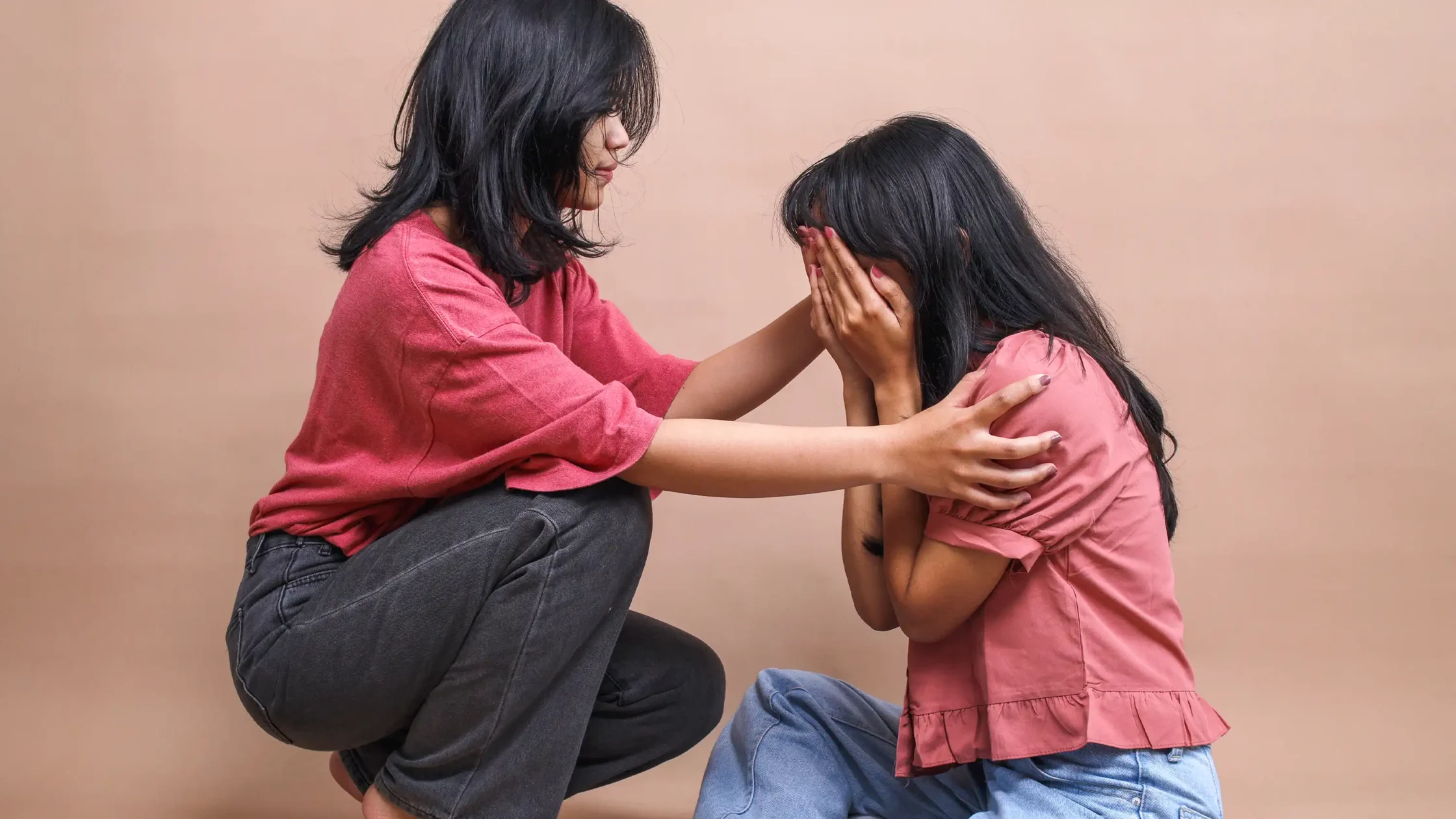
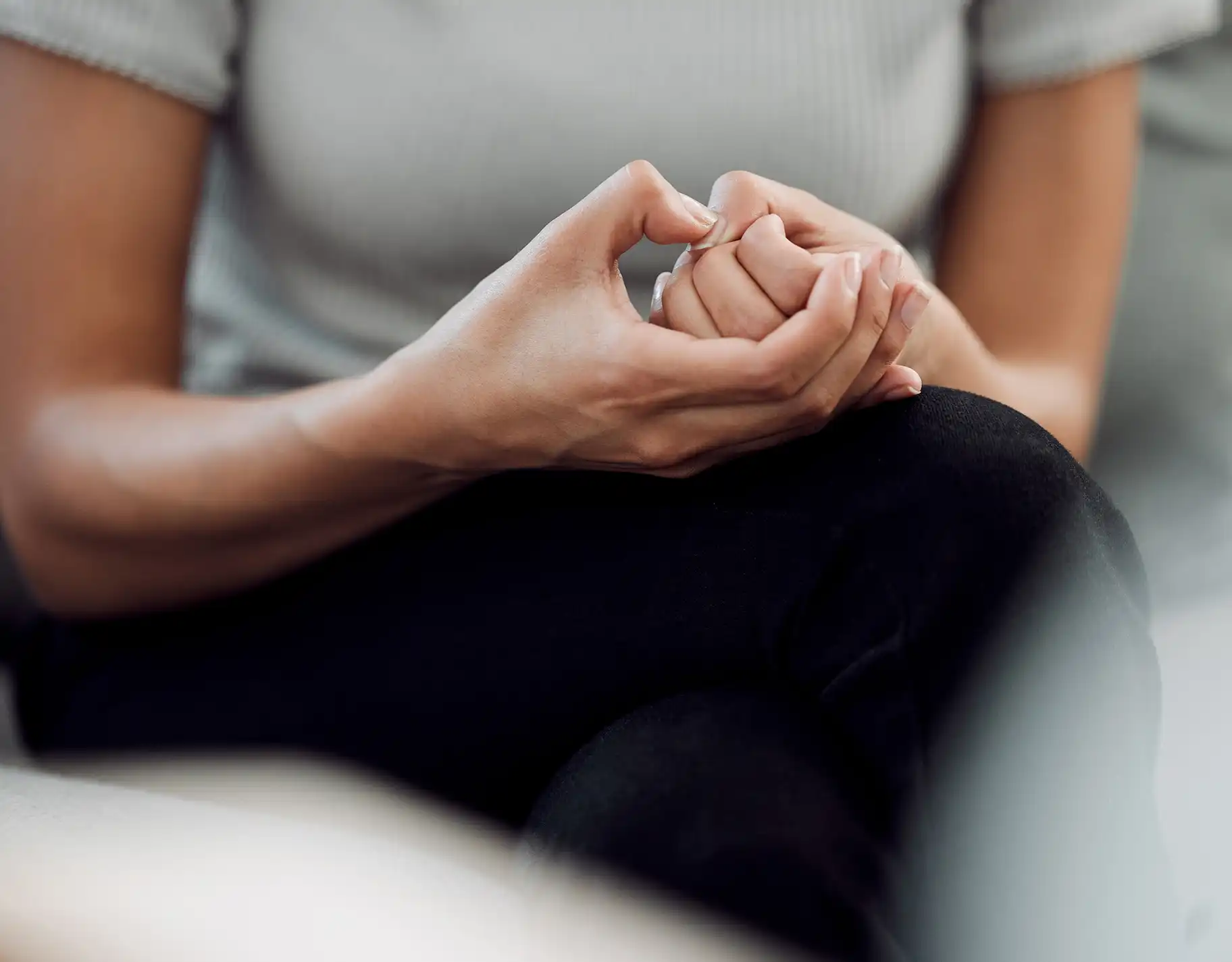
Asking for help is tough, but sometimes admitting “I’m not okay” is the hardest part of all. What might seem like a small issue to one person can feel impossibly heavy to another.
Now more than ever, we need to create safe spaces for every voice and every story. It’s time to listen with empathy, honor individual journeys, and declare loud and clear that mental healthMental HealthA person's emotional, psychological, and social well-being, which affects how children and parents think, feel, and cope. Open conversations, regular routines, and timely help from professionals make it easier for is never “lang.”
A Reminder for Parents: Presence Over Dismissal
In a world where children and teens constantly navigate issues like bullying, low self-esteemSelf-EsteemA child's sense of their own worth and ability. Praising effort, giving responsibilities, accepting feelings, and avoiding harsh comparisons with siblings or classmates help children grow confident, kind, and willing, violence, and social media comparison, “lang” has no place in a parent’s vocabulary. When a child shares their struggles, dismissing them as “arte lang” or “overthinking lang” closes the door to communication.
What our kids need most is our presence, validation, and undivided attention. Mental healthMental HealthA person's emotional, psychological, and social well-being, which affects how children and parents think, feel, and cope. Open conversations, regular routines, and timely help from professionals make it easier for awareness shouldn’t just be a trend we observe every October—it’s an ongoing commitment to learning, understanding, and showing up for the people we love, every single day.
Frequently Asked Questions
Using “lang” (as in “stress lang” or “drama lang”) reduces complex mental health struggles to simple phases, making the person feel unheard, invalidated, and hesitant to ask for help.
Parents should practice active listening without judgment, avoid minimizing their child’s feelings as “overthinking” or “arte,” and offer a safe, present space where emotional honesty is welcomed.
Deeply rooted cultural values like hiya (shame), strict family expectations, spiritual misconceptions, and the drive to preserve smooth interpersonal relationships (pakikisama) often lead to silence.
More on Mental Health
Can Your Smile Shape Your Mental Health?
Mono No Aware: Why Tackling Depression and Grief Matters for Families
World Mental Health Day 2025: Healing Minds in Times of Crisis